
From risk to real-world monitoring: ARAGORN at the Soils4Europe Conference in Coimbra

News

From 7 to 11 September 2026, ARAGORN is taking part in one of the landmark gatherings of the EU Mission "A Soil Deal for Europe"

Date of publication:
Sep 10, 2026

Organised by the SOLO project, the Soils4Europe Conference brings together researchers, policymakers, farmers and practitioners around a shared objective: achieving healthy soils in Europe by 2050, with a programme spanning the EU Soil Monitoring Law, Living Labs, agroecology, soil carbon, soil data stewardship and soil literacy.

ARAGORN is contributing at three moments during the week:

  • A plenary presentation and panel debate on 7 September, led by coordinator Xenia Trier (Associate Professor, University of Copenhagen) with inputs from Eirik Aas (Eurofins) and Anna Kärrman (Örebro University);
  • A project booth on 8 September, staffed by Ali Kanso and Sabine Azoury (Microhumus);
  • On 11 September, the in-person meeting of the Soil Pollution and Remediation Cluster.

Which contaminants to monitor — and at what cost?

The point that emerged from Xenia Trier’s presentation is a practical dilemma at the core of the Soil Monitoring Law. Member States will have to monitor soil contamination, but soils can contain a vast number of substances and measuring all of them is neither feasible nor affordable — so contaminants must be prioritised.

ARAGORN’s methodology does this in two steps: first a risk-based score, drawing on each substance’s regulatory status, its toxicity to humans and the environment, and its likely exposure; then the cost of actually measuring it. The key insight is that much of the cost of laboratory monitoring falls per analytical method, not per compound, so substances sharing a method can be added at little extra cost. Grouped this way, ARAGORN’s analysis shows that around 20 substances could be monitored for roughly the cost of the nine highest-risk compounds alone — an estimated 84% more risk assessed for about the same budget.

Working with sister projects

ARAGORN does not tackle this alone. It co-leads the Mission Soil Soil Pollution and Remediation Cluster with EDAPHOS, connecting some seventeen Mission Soil projects and further EU initiatives, and has begun a joint article comparing prioritisation methodologies across the cluster, to be submitted in 2026. The 11 September cluster meeting carries this forward, convened by ARAGORN in co-creation with the Indicators and Monitoring Cluster and the Data and Knowledge Management Cluster.

It is a fitting shape for the project’s week in Coimbra: from setting out the science on Monday, to meeting the community at the booth, to working shoulder to shoulder with sister projects on Friday to turn that science into monitoring that Europe can actually use.
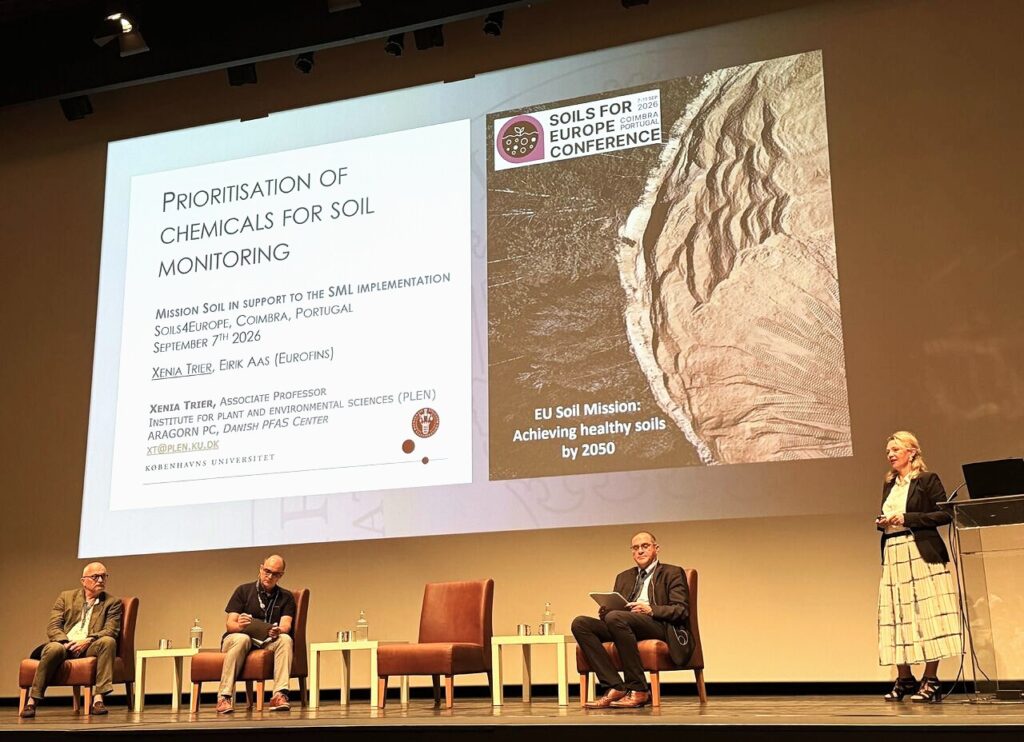
 

Project coordinator Xenia Trier at the Soils4Europe Conference
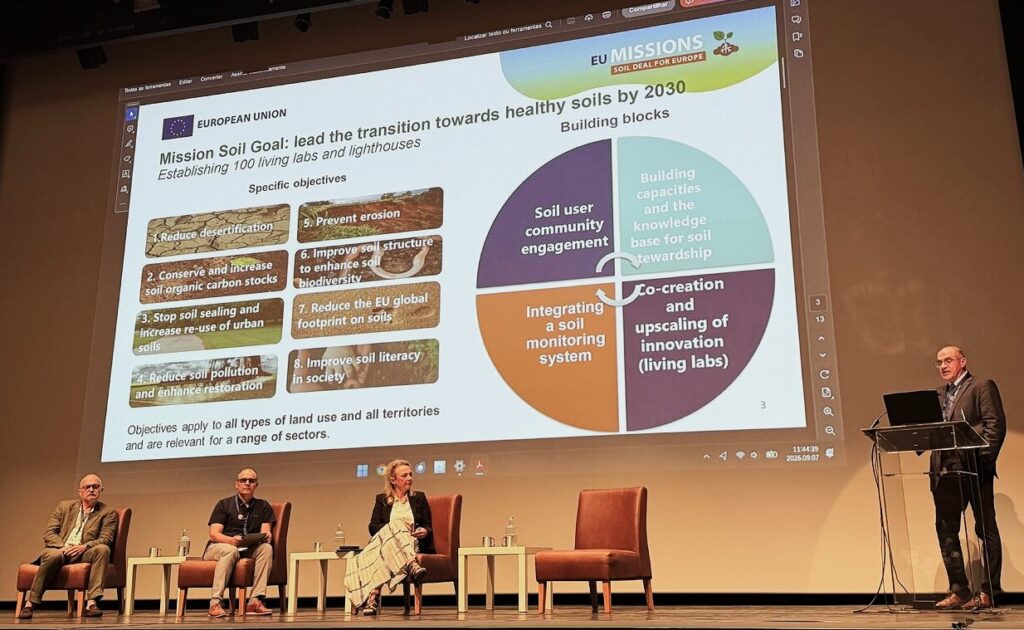
 

ARAGORN partners at the Soils4Europe Conference
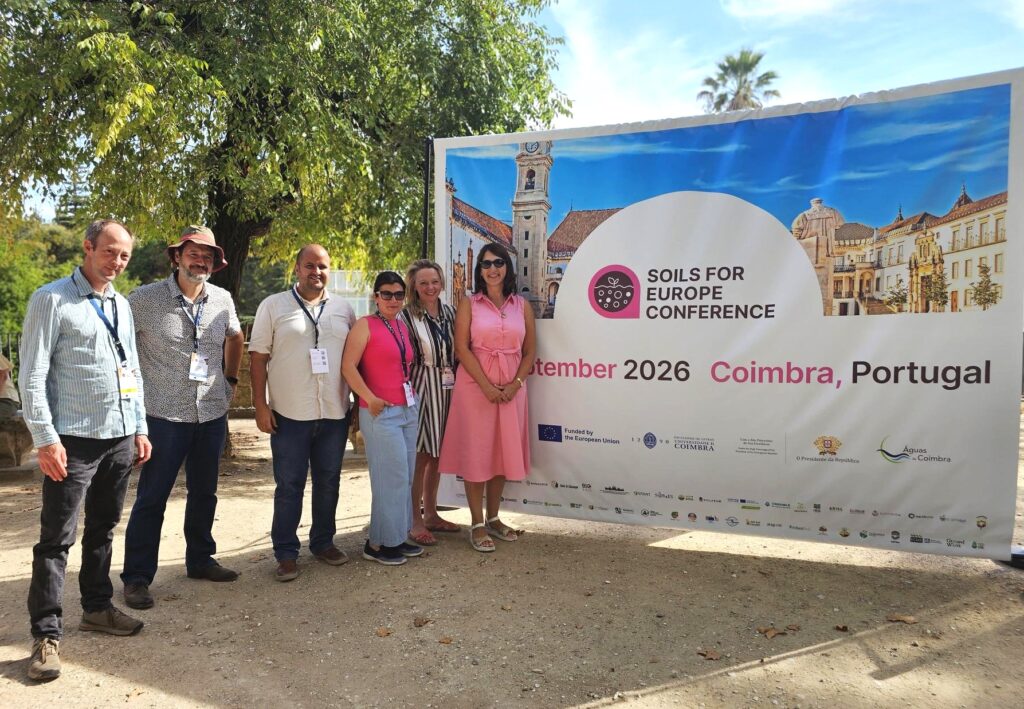
 

ARAGORN partners at the Soils4Europe Conference
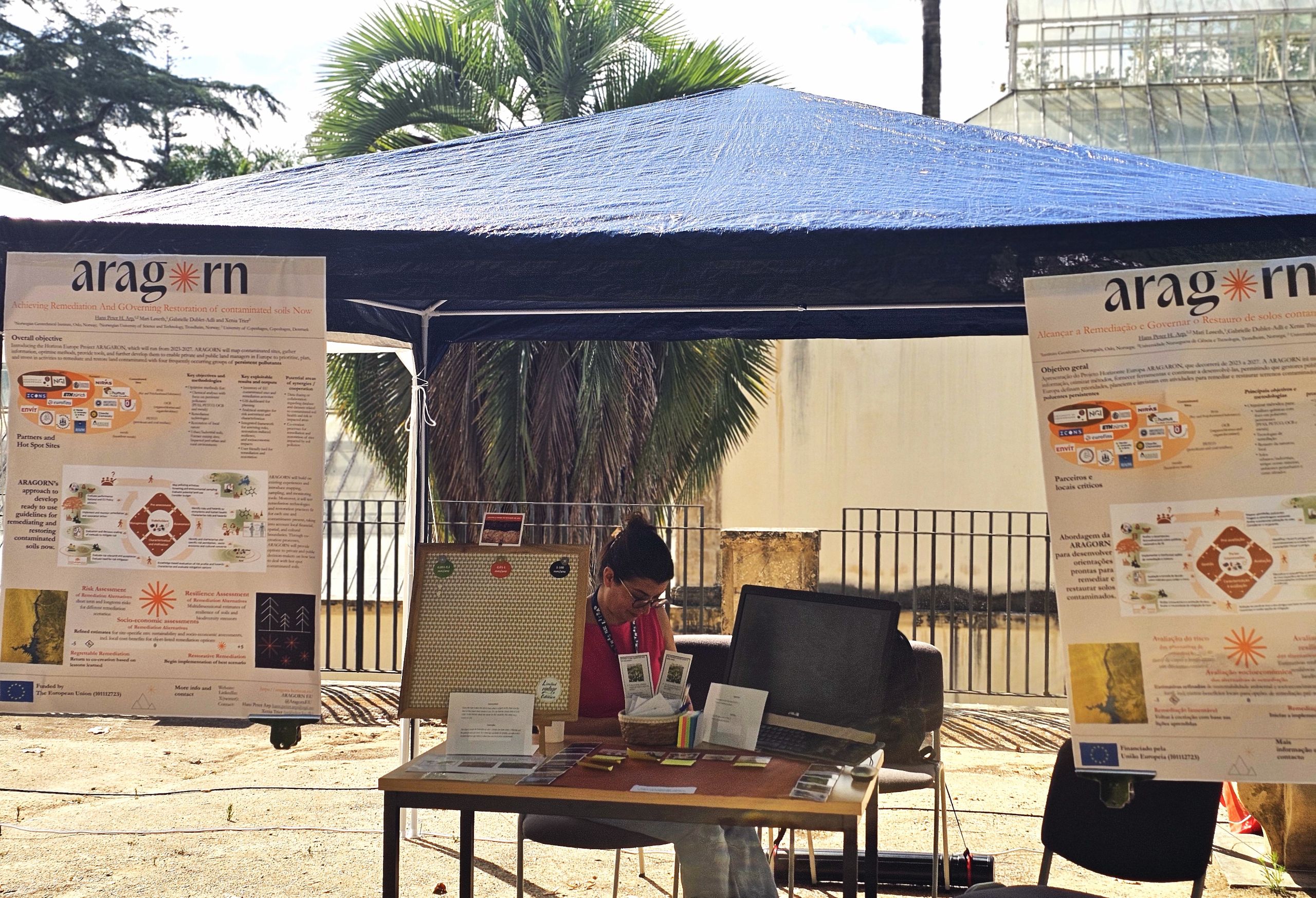
 

ARAGORN booth at the Soils4Europe Conference

Featured image by Ricardo Resende on Unsplash

ARAGORN brings its Knowledge Exchange Hub to RemTech Europe 2026

Events

From 16 to 18 September, ARAGORN is taking part in RemTech Europe 2026 in Ferrara with its Knowledge Exchange Hub. The Hub is conceived as a space to bring the project's results closer to the people who work with contaminated soils in practice, and to exchange experiences with them.

Details:
Sep 16, 2026 - Sep 18, 2026
Location:
Via della Fiera 11, 44124 Ferrara, Italy

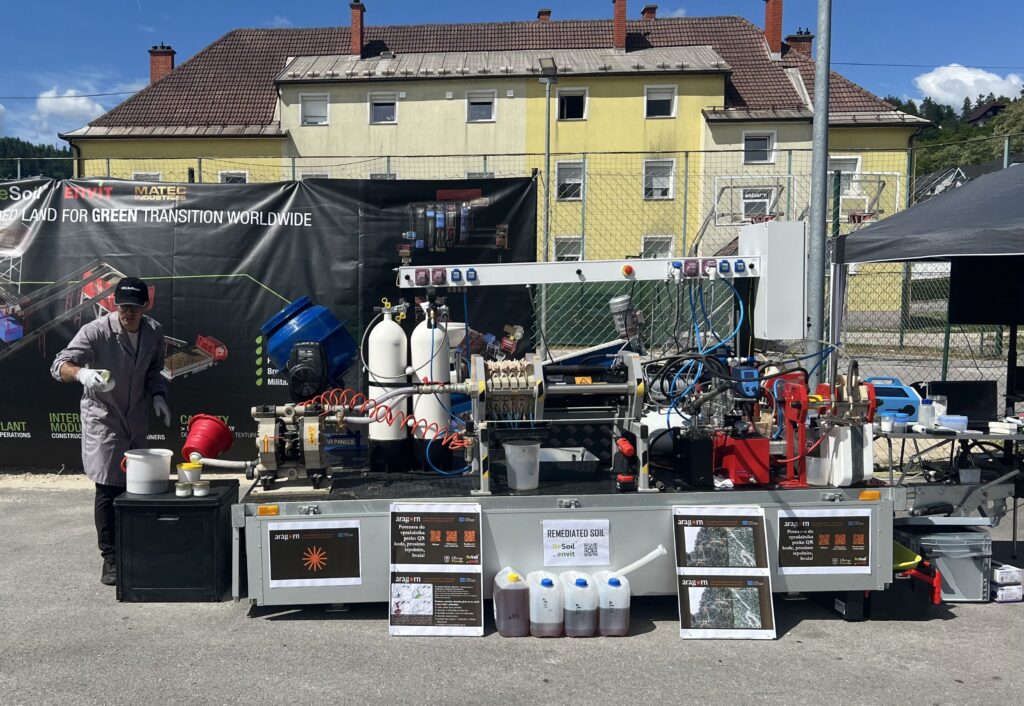
Hosted at the ENVIT booth, throughout the event the Hub gathers a series of posters presenting results from partners across the ARAGORN consortium. Alongside them, ENVIT brings its mobile ReSoil® trailer — the pilot-scale unit used for field testing within ARAGORN — onto the exhibition floor. The Hub also builds on ENVIT’s recent Live Demo, held in May 2026 in Prevalje, in the Meža Valley (Slovenia), where the ReSoil® technology was demonstrated directly at one of the project’s pilot areas.

The consortium’s work also features in the conference programme. On Wednesday 16 September at 09:50 CEST, Session 18 – In situ Remediation Technologies will host the presentation “Pilot-scale testing of the mobile ReSoil® unit on soils from three ARAGORN metal(loid)-contaminated case studies.” It will be given by Anela Kaurin, Simon Gluhar, Grega E. Voglar and Domen Leštan of ENVIT and the University of Ljubljana, together with Barbara Fojkar from the Biotechnical Faculty of the University of Ljubljana and Eirik Aas from Eurofins Environment Norway.

“The ARAGORN Hub at RemTech Europe is a good opportunity to bring the project results closer to people working with contaminated soils in practice and to exchange experiences with them,” says Grega E. Voglar (ENVIT). “We hope the Hub will be a place where we can connect these practical experiences with results from other ARAGORN partners, discuss what we have learned so far, and explore — together with the scientific community, industry partners, practitioners and contaminated site owners — where these approaches could be useful in practice, and what challenges still need to be addressed.”

ReSoil Live Demo in Prevalje, Slovenia

Register here to follow the ARAGORN sessions at RemTech Europe!

Featured image by Alain ROUILLER on Unsplash

ARAGORN releases the fourth issue of the newsletter

Newsletter

Discover the updates of the project in the last few months, and stay updated with the news

Date of publication:
Jul 30, 2026
Welcome back to ARAGORN Newsletter!


The past few months have been busy and, above all, very collaborative. ARAGORN partners have been out and about at conferences and events right across Europe, from the standardisation work with CEN/TC 444 in Prague to the INCITE Workshop at the JRC in Seville and cluster meetings on soil pollution and remediation. You will find all of these among the news below.


There is plenty more to share, too. Our four new factsheets on the most widespread pollutants — metals, PFAS, OCBs and PETCO — are now online. Clear and easy to use, they are a handy go-to for landowners, stakeholders and anyone who wants to get to grips with the substances affecting local land and water. You can download all four below.


Remediation also took a concrete step forward in the field: our project partner ENVIT Ltd. demonstrated the ReSoil® technology in Prevalje, Slovenia — a real-world showcase of science-based soil restoration in action. See the post on LinkedIn.


ARAGORN also reached a wide public audience: the project features in the ARTE documentary “PFAS: An Every Day Poison”, where partner Hans Peter Arp talks through both the scale of the PFAS challenge and the practical, nature-based solutions being tested.


And on the ground in Moldova Nouă (Romania), our work at the GM9 experimental site moved forward in two phases: first with students and researchers bringing degraded soils back to life in “GM9 – When Stones Come to Life”, and then with a new phase of Nature-Based Solutions in spring 2026 to tackle heavy-metal-contaminated land.

Read the whole newsletter here and subscribe here for receiving the next issue!


Featured image by Tonia Kraakman on Unsplash

ARAGORN Featured at the INCITE Workshop

News

On 5–6 May 2026, the coordinator of the project, Professor Xenia Trier, participated in the 3rd INCITE Workshop on Innovative Techniques for the Management of PFAS in Sectors from the Industrial Emissions Directive, held at the Joint Research Centre (JRC) in Seville, Spain.

Date of publication:
Jun 25, 2026

Organised by the Joint Research Centre together with Hazardous Wastes Europe, the workshop focused on emissions of PFAS to soil, water, and air, as well as technological and regulatory approaches linked to the Industrial Emissions Directive (IED). With approximately 300 participants, including around 75 attendees in person, the event brought together representatives from the European Commission, the European Environment Agency (EEA), ECHA, industry organisations, NGOs, technology providers, waste management stakeholders, and researchers working on PFAS-related challenges.

Professor Trier delivered the opening presentation of the session dedicated to the monitoring of PFAS emissions, highlighting current approaches and challenges related to the detection and monitoring of PFAS in environmental matrices such as air and water. Discussions throughout the workshop explored a broad range of topics, including PFAS monitoring methods, substitution technologies, and innovative solutions for the treatment, separation, and destruction of PFAS emissions. The workshop also provided an opportunity to strengthen exchanges between policymakers, scientists, industry representatives, and environmental organisations across Europe.

The event reflected the growing momentum across Europe to improve PFAS monitoring, strengthen regulatory approaches, and promote collaboration on emerging environmental challenges.

Featured image by Taisia Karaseva on Unsplash

New Phase of Nature-Based Solutions Implemented at ARAGORN’s GM9 Experimental Site in Moldova Nouă

News

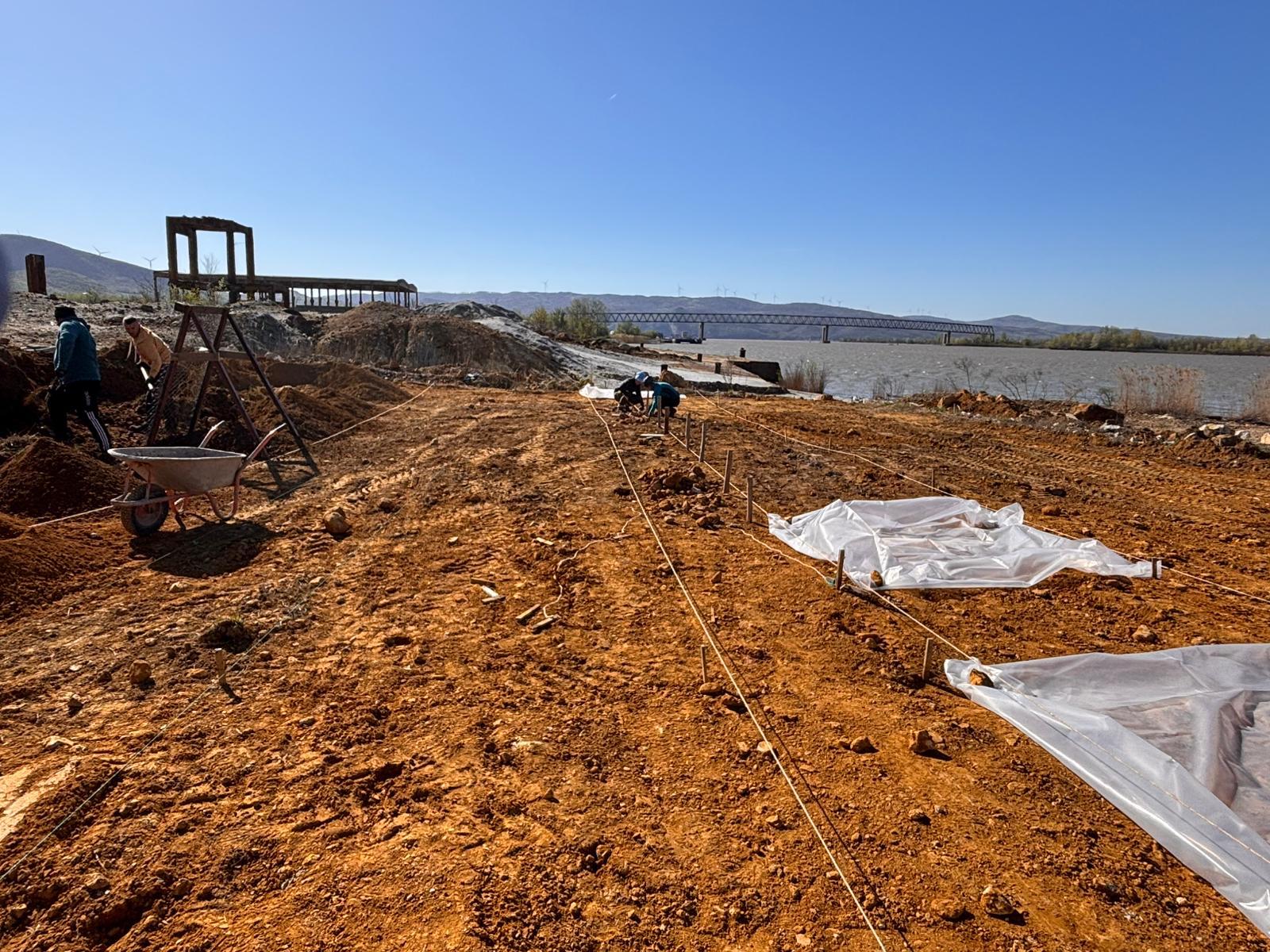
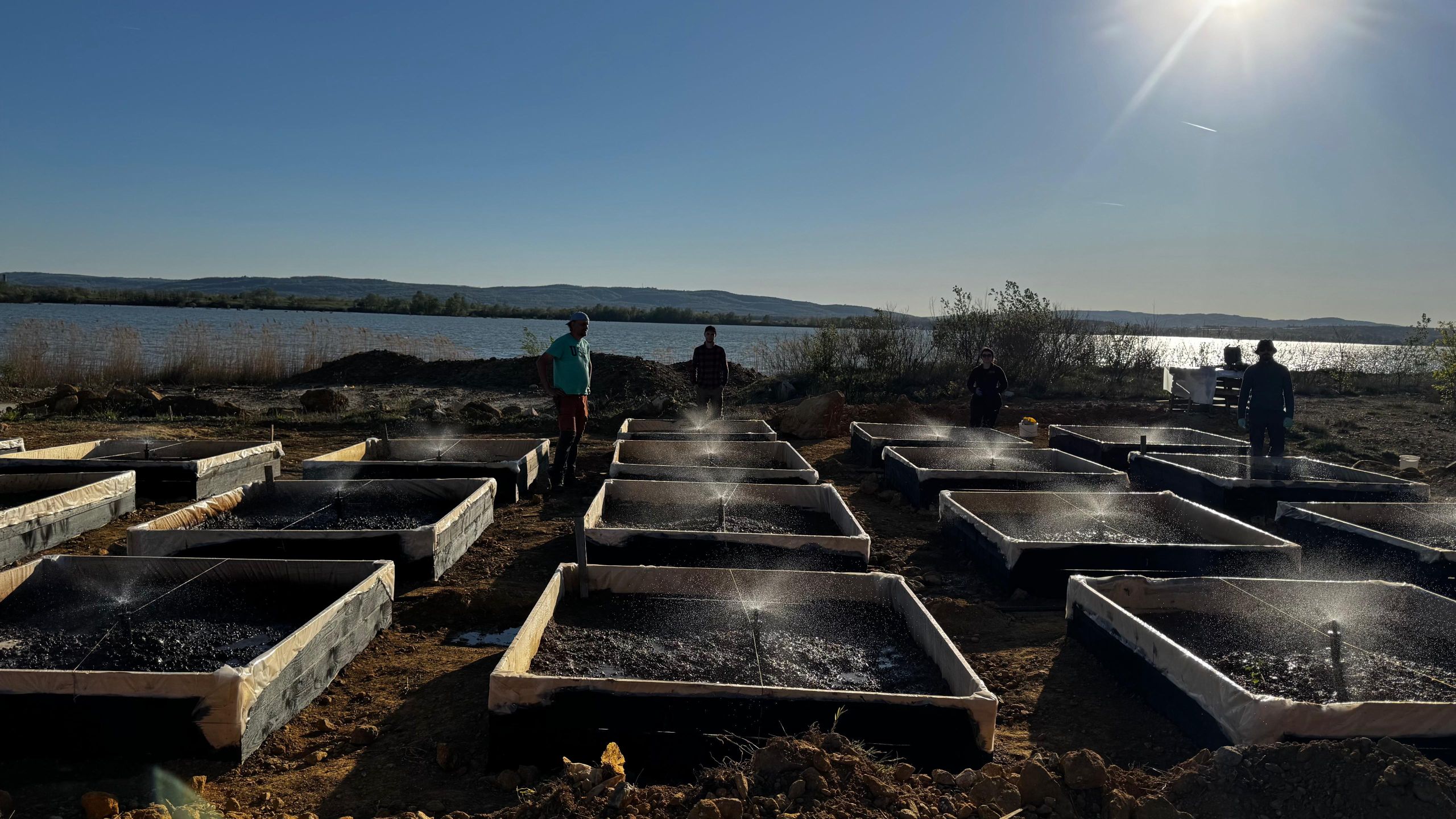
In Spring 2026, the ARAGORN team returned to the GM9 experimental site in Moldova Nouă for a new phase in the implementation of Nature-Based Solutions (NBS) aimed at remediating heavy metal-contaminated soils.

Date of publication:
May 5, 2026

The activities were coordinated by Dorina Podar and involved researchers from the Faculty of Biology and Geology and the Faculty of Environmental Science and Engineering at Babeș-Bolyai University.

Building on lessons learned during the 2025 field season, the team adapted the experimental design to improve resilience following challenging weather conditions, including extreme drought, flooding, and erosion. While the previous season demonstrated the potential of the proposed remediation strategies, it also highlighted the practical challenges of implementing field-based Nature-Based Solutions under variable climatic conditions.

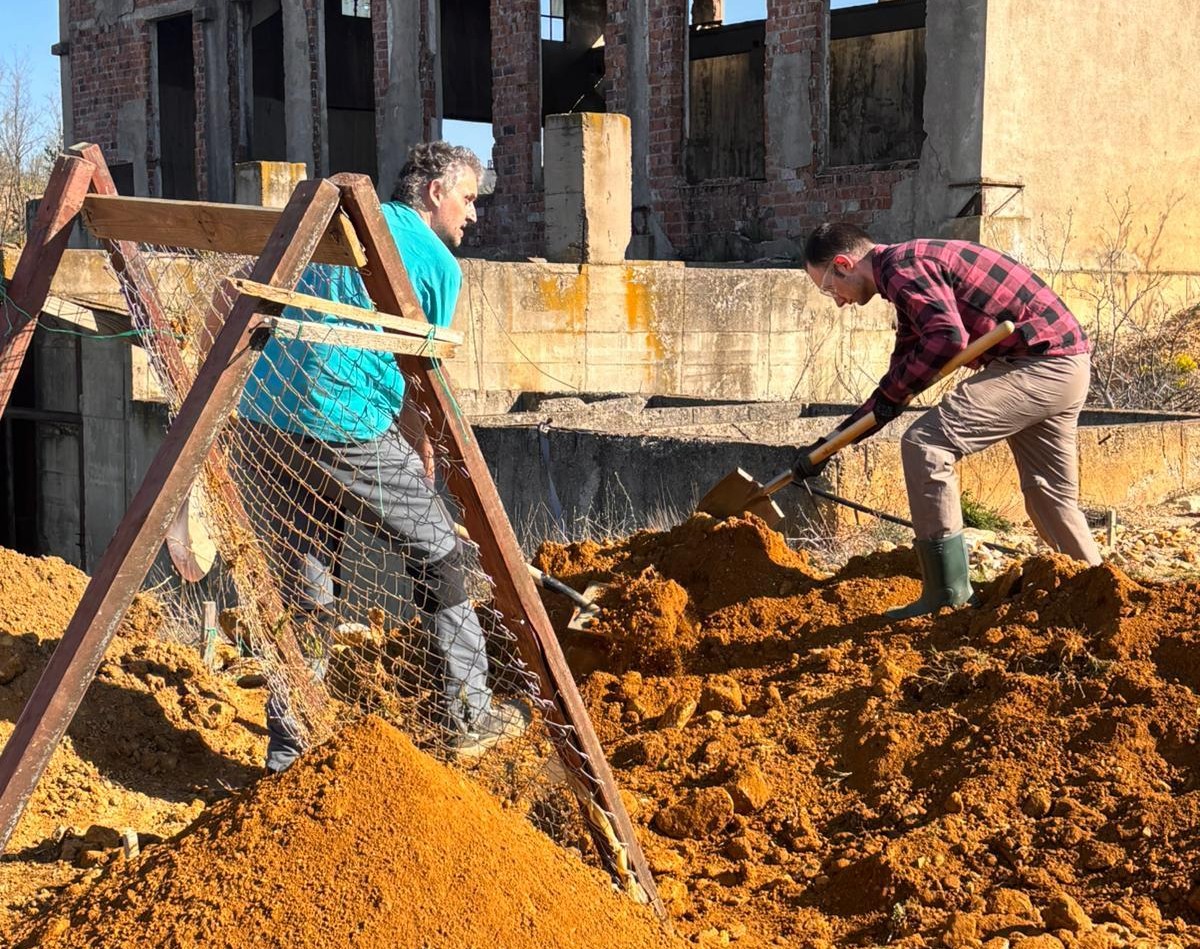
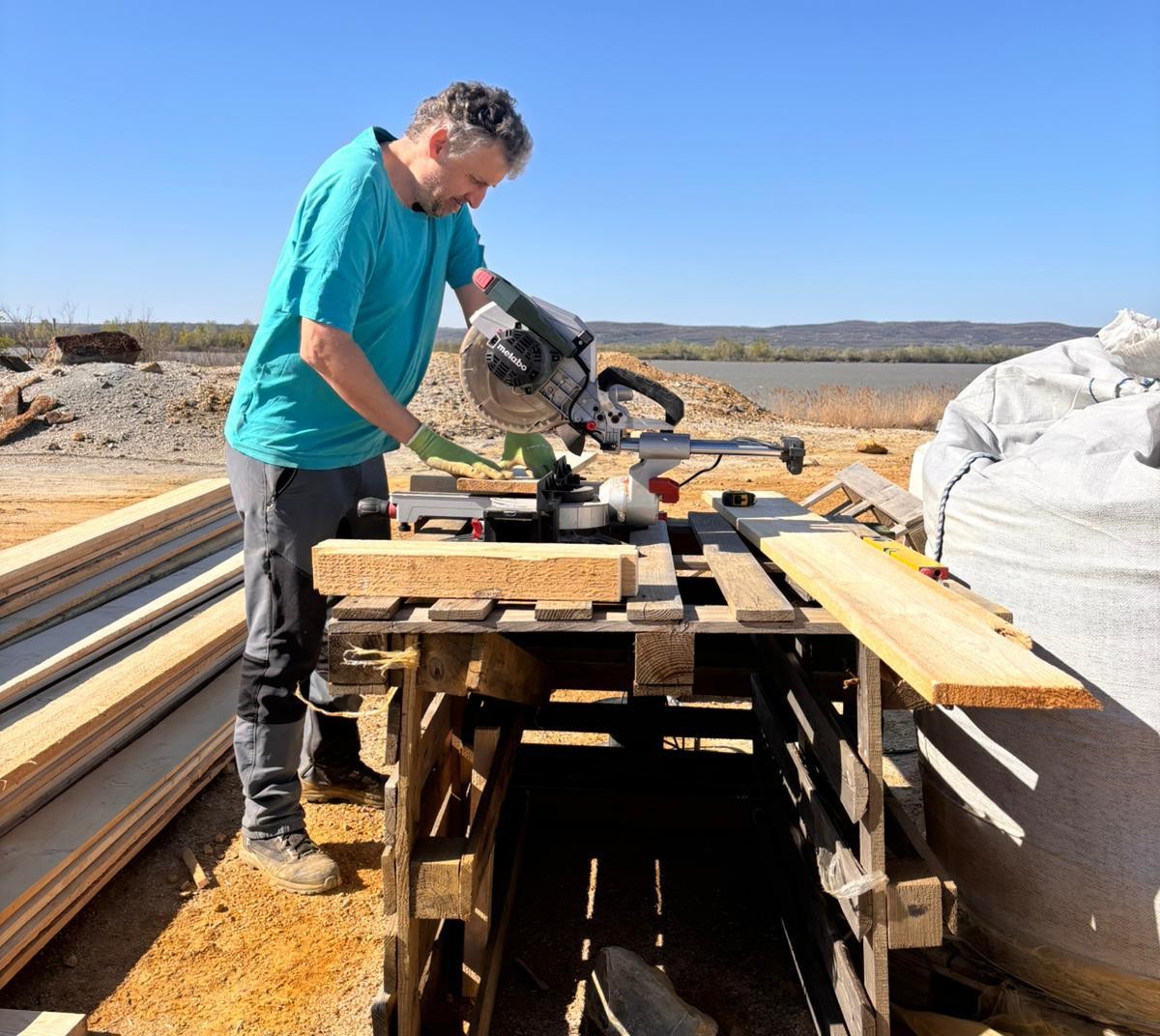
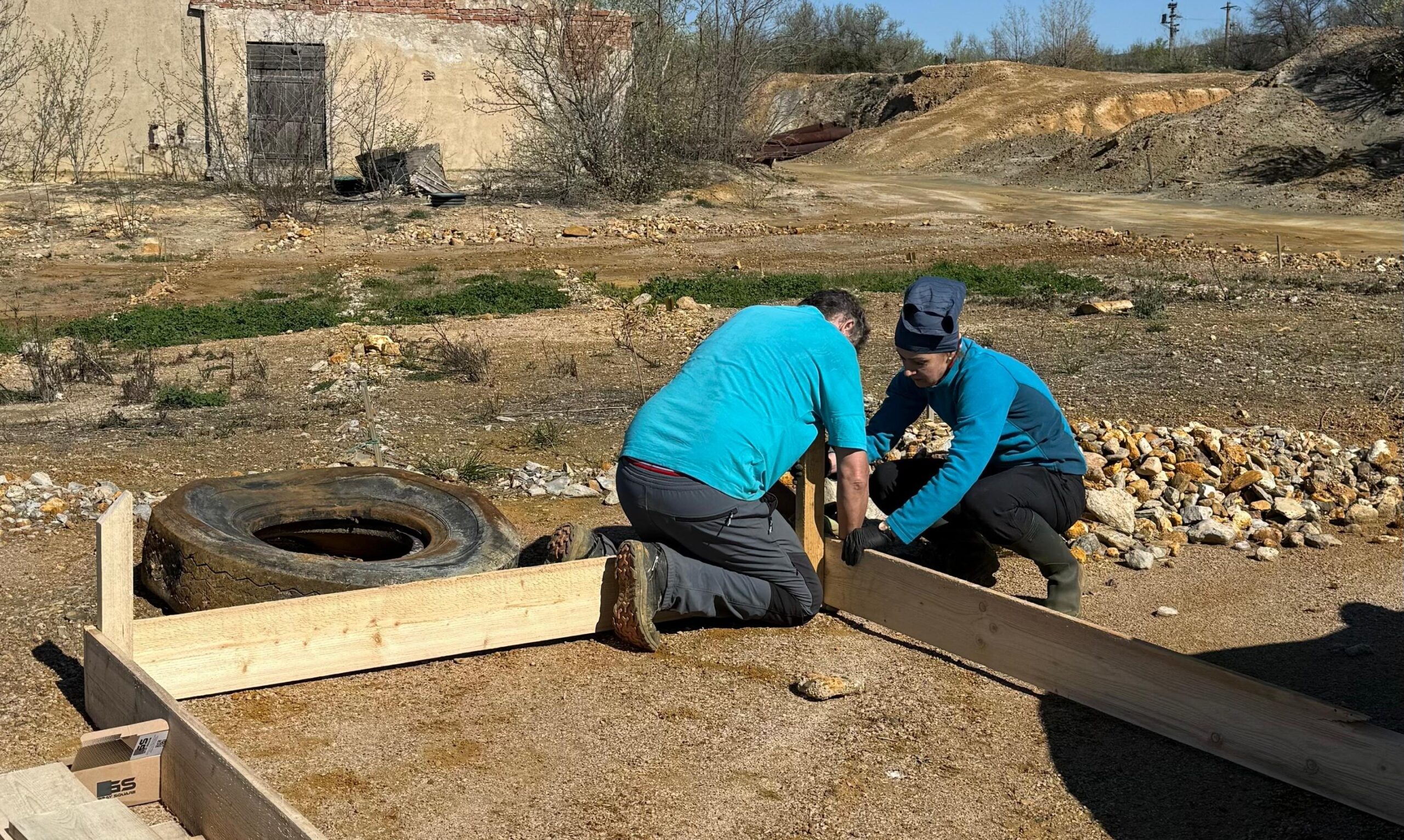
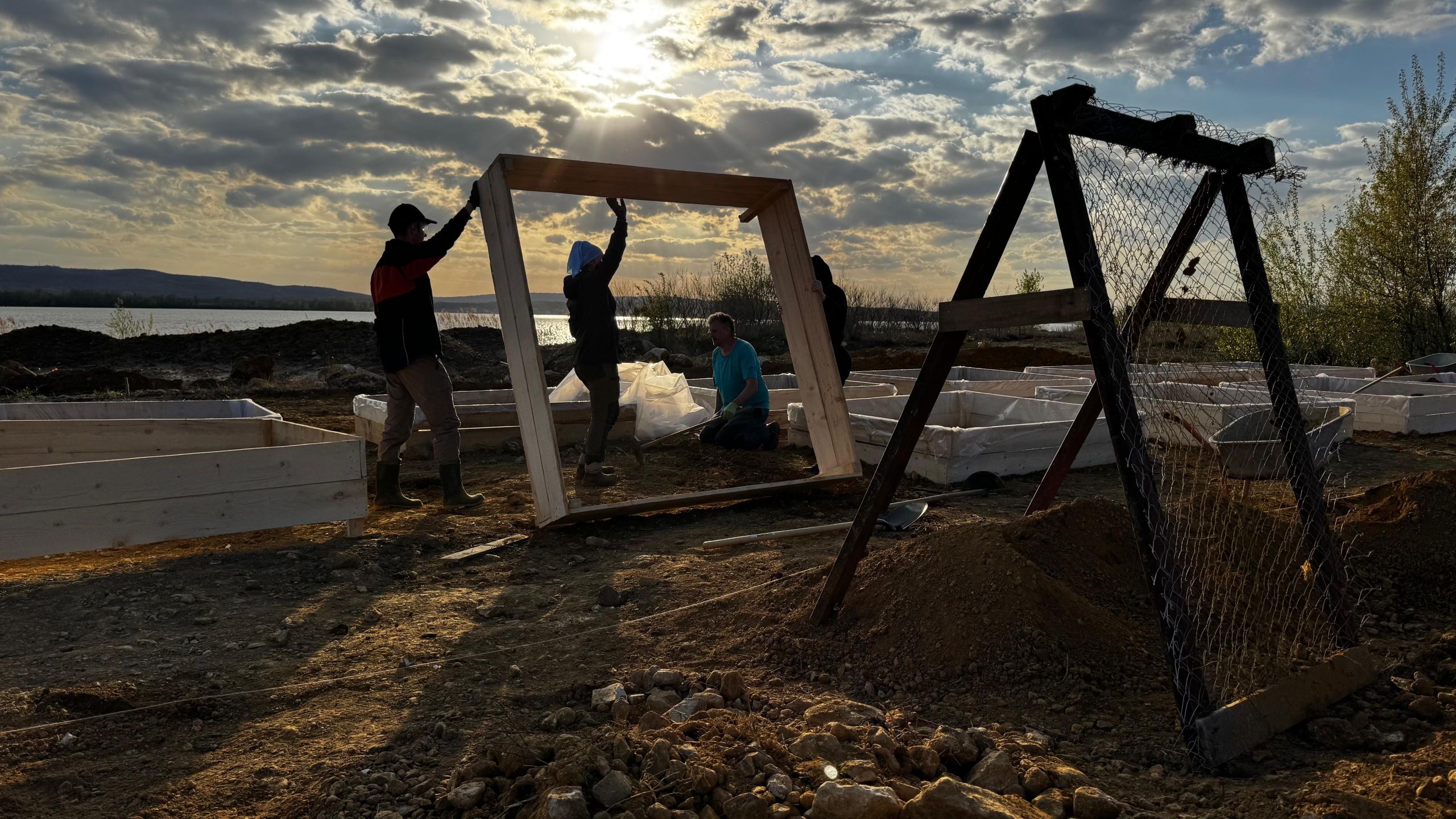
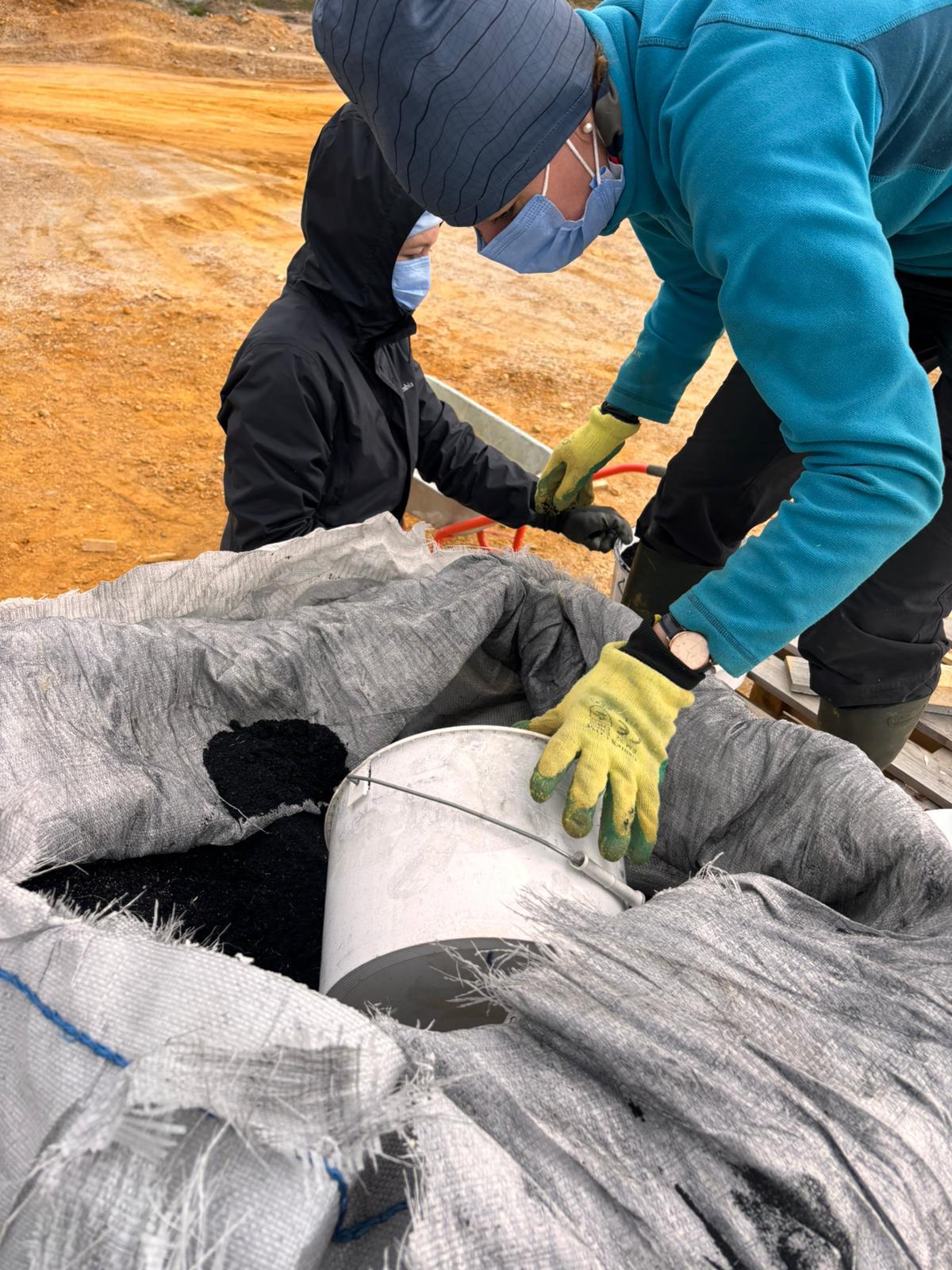
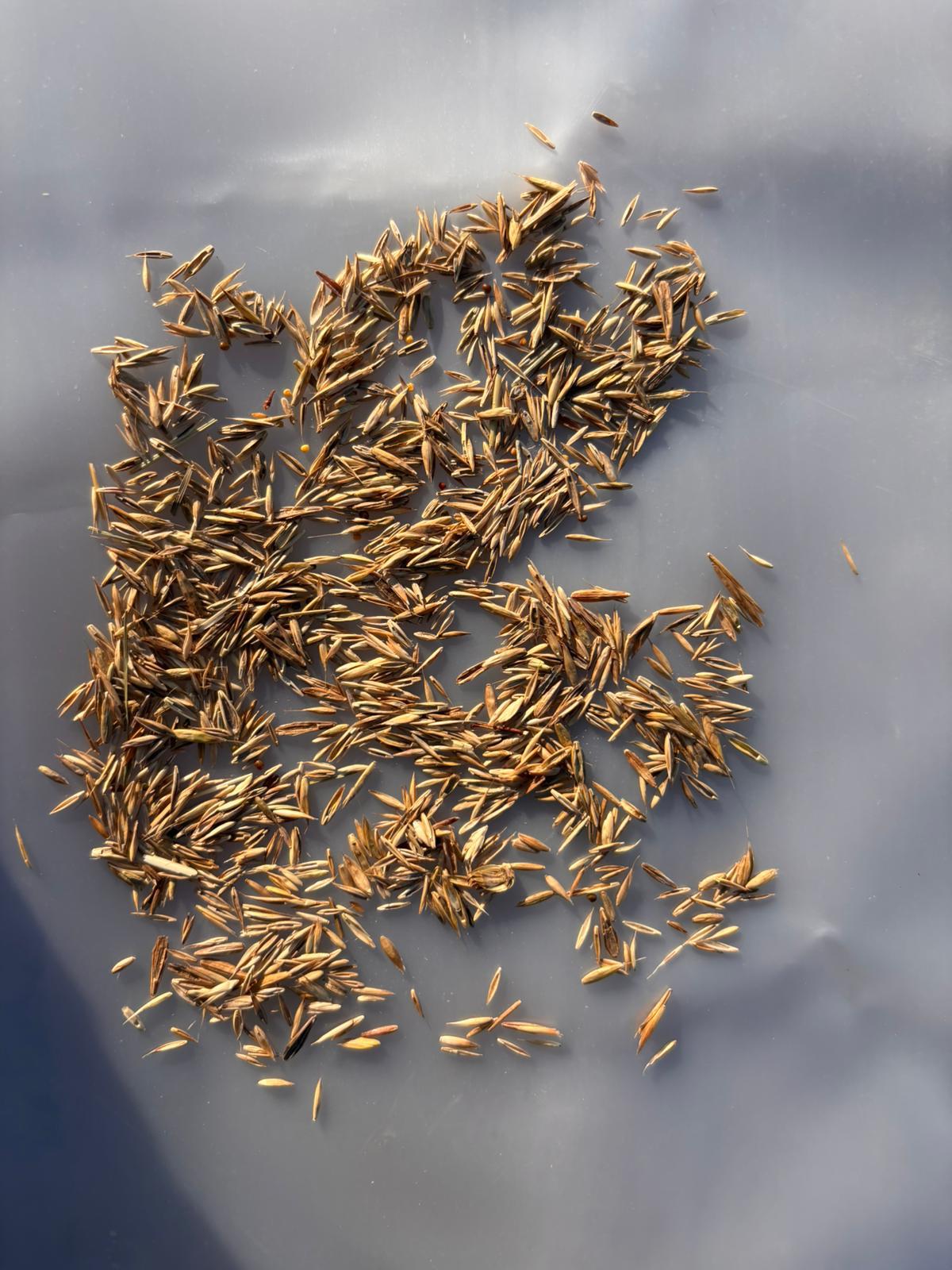
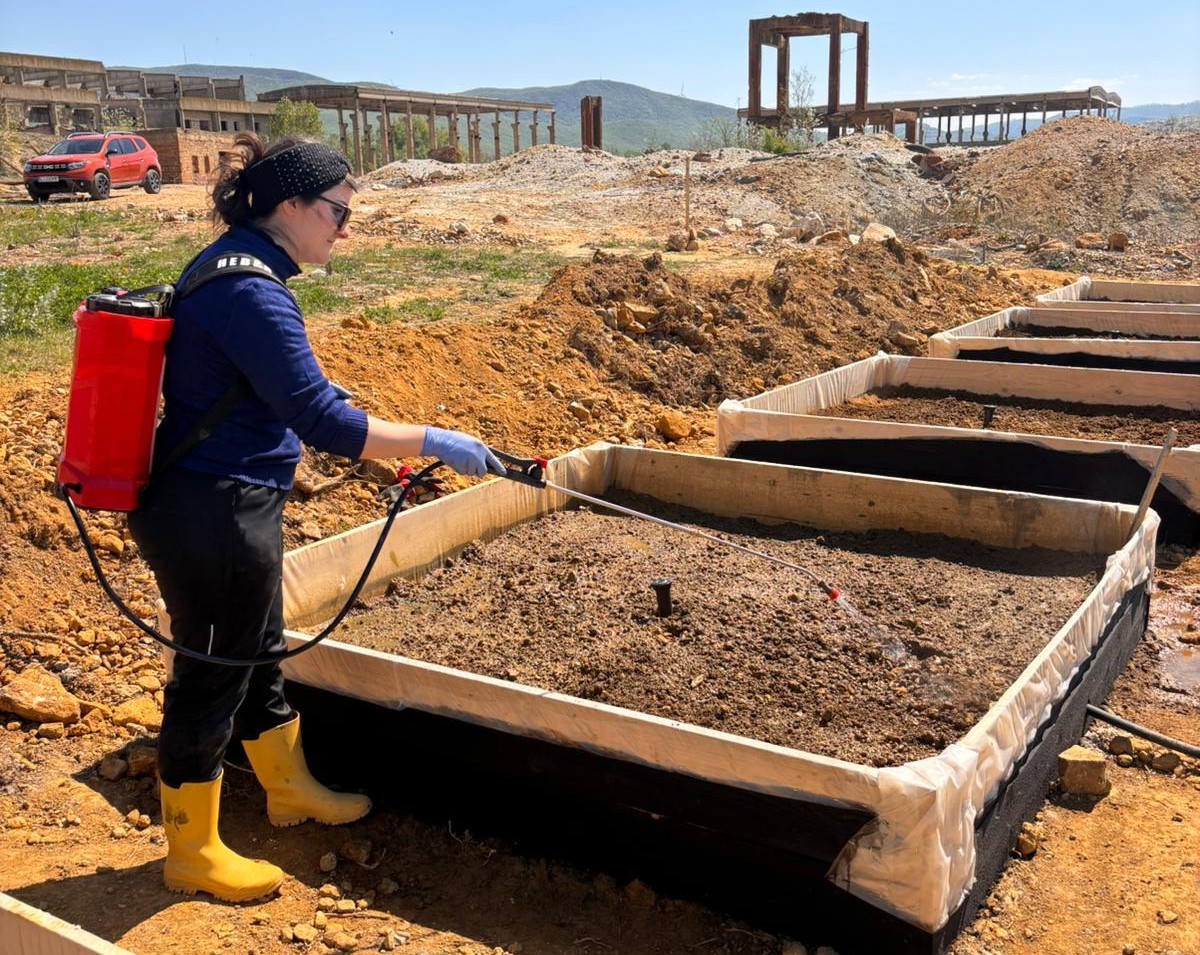
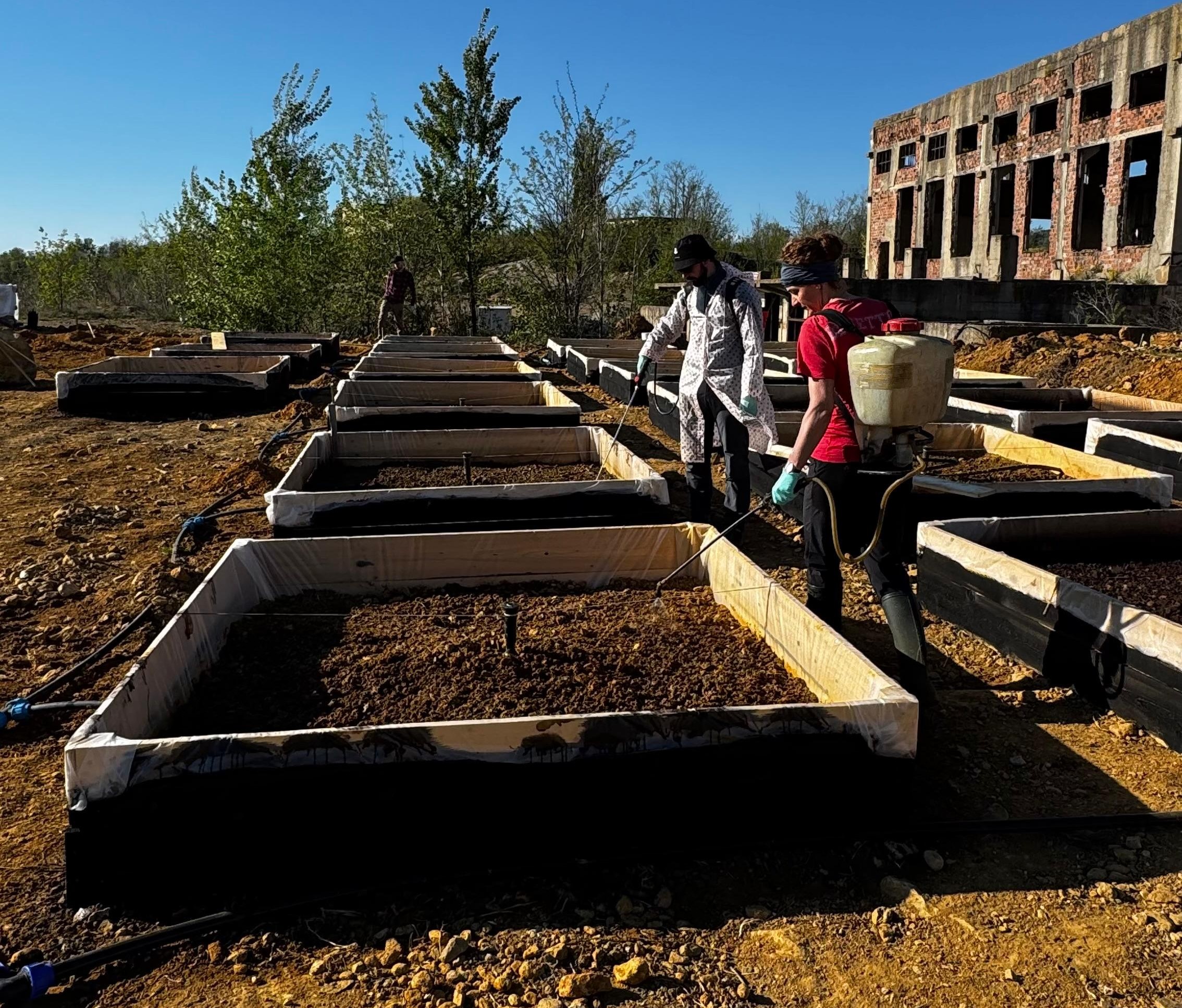
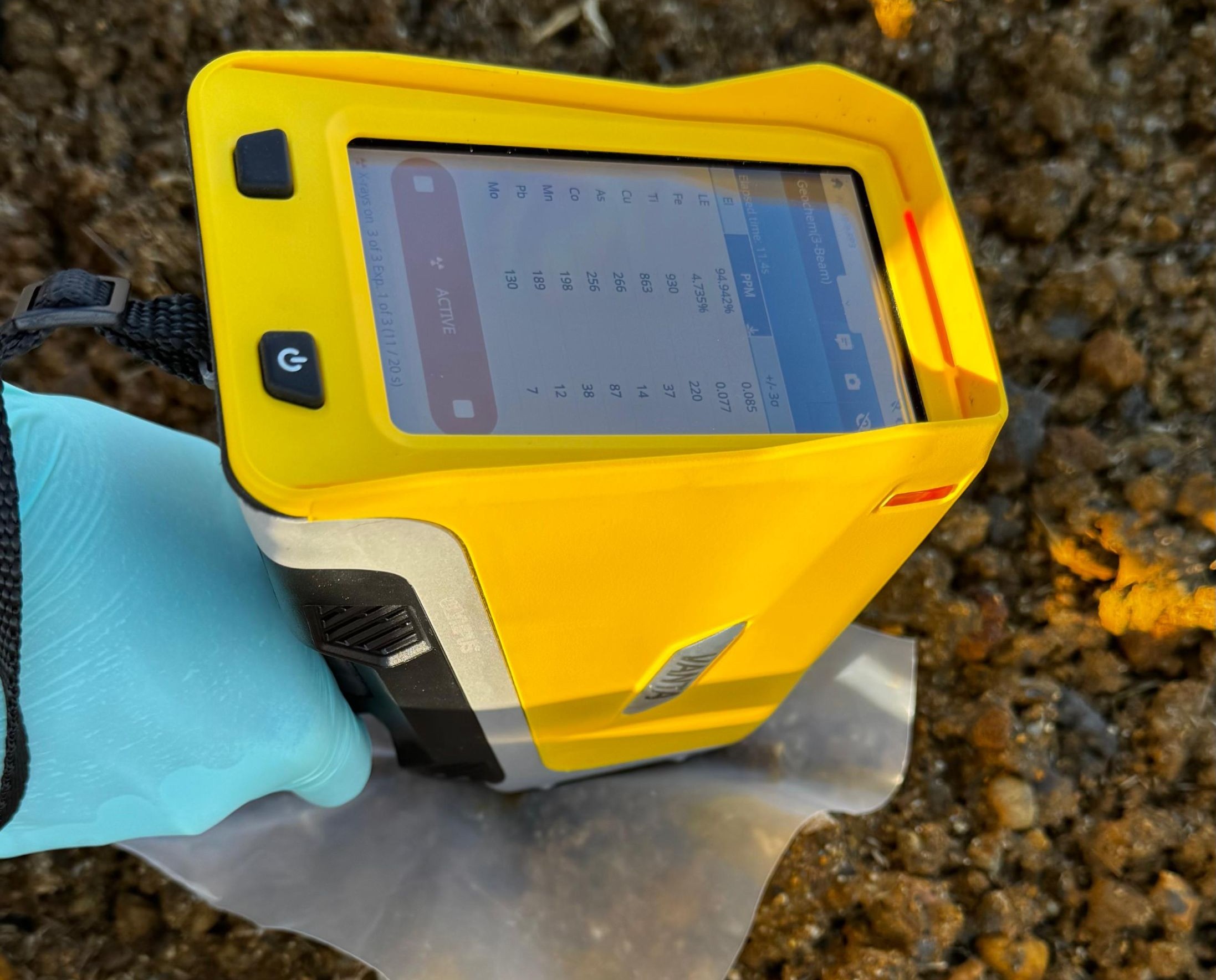
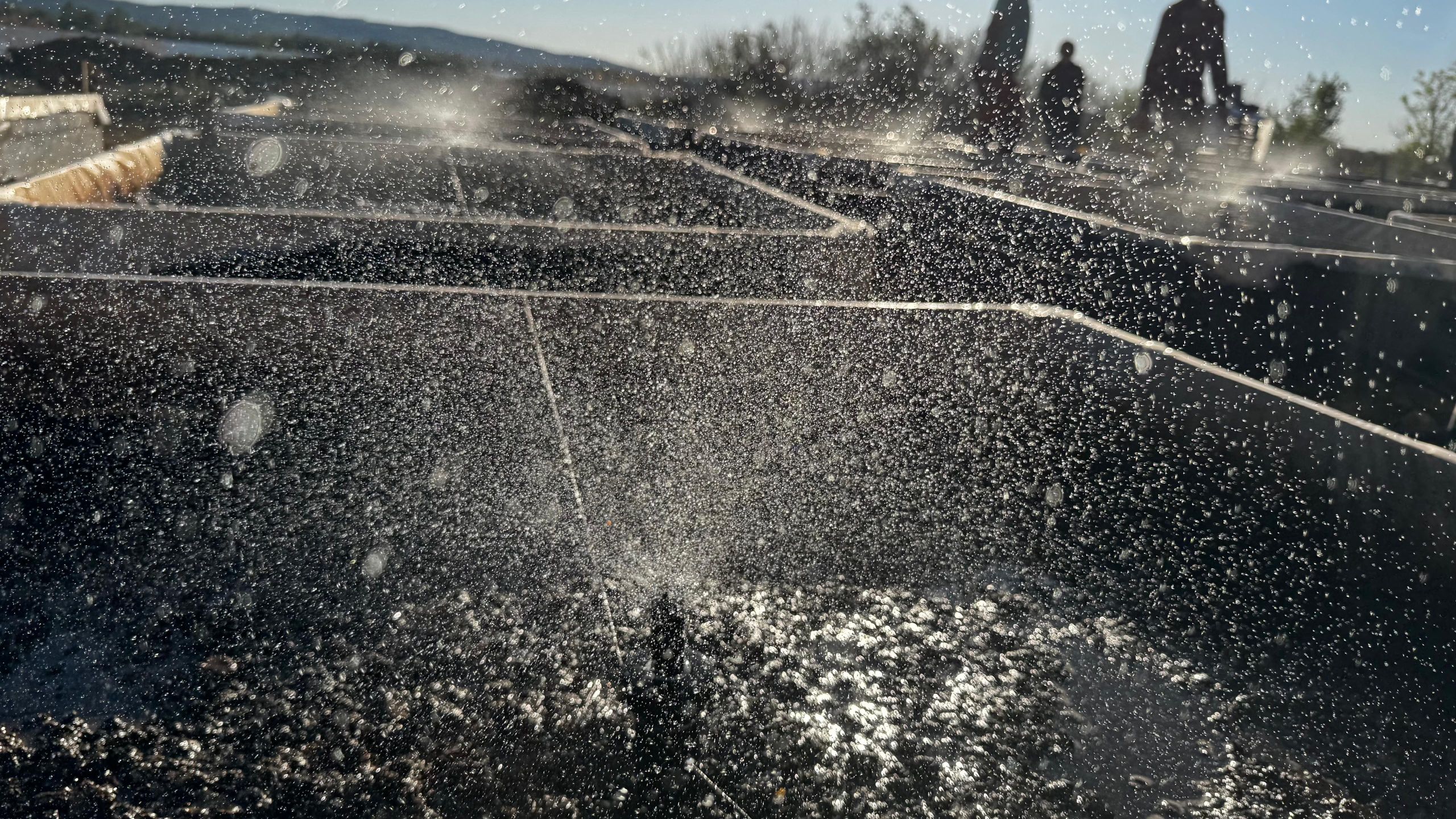
During this implementation phase, the team completed the construction and preparation of the experimental plots, distributed soil and amendments, installed the irrigation system, and sowed seed mixtures of plant species selected for the restoration of eroded land. Beneficial microorganisms, including bacterial inoculum and mycorrhiza, were also applied, and baseline measurements of soil metal concentrations were carried out at the start of the experiment.

With this first implementation phase now completed, the project moves into the monitoring stage, where the effectiveness and resilience of the Nature-Based Solutions will be assessed under real field conditions. Testing these approaches in operational environments is essential to evaluate their scalability and long-term remediation potential.

The ARAGORN consortium extends its gratitude to the Moldova Nouă City Hall, local volunteers, and the students of “Clisura Dunării” Technological High School for their valuable support during the field activities.

Special recognition goes to the ARAGORN team members involved in the implementation: Zoltan Balazs, Cristina Lorena Văcar, Ema Tiodar, Mihai Grimm, and Csaba Timar.

The photos below offer a chronological overview of the implementation process, documenting each stage of the work carried out on site.

Featured image by Dorina Podar

ARAGORN Contributes to European Discussions on Soil Monitoring and Persistent Pollutants

News

In March 2026, Xenia Trier, Associate Professor at the Institute for Plant and Environmental Sciences (PLEN) and Project Coordinator of the ARAGORN project, participated in two major scientific and policy events addressing soil monitoring, chemical mixtures, and persistent pollutants.

Date of publication:
May 5, 2026

On 4 March 2026, Professor Trier presented at the EU Horizon PARC meeting in Brussels and took part in the special Workshop on Soil Risk Assessment (WP6 – Regulatory Aspects). The event brought together policymakers, Mission Soil authorities, and scientists to discuss current developments in soil monitoring and regulatory approaches to soil protection.

Her presentation, titled “Soil Monitoring“, was attended by approximately 40 participants and contributed to discussions on soil risk assessment and monitoring strategies. Following the meeting, on 5 March 2026, she met with representatives from DG ENV and MS authorities to discuss how ARAGORN and PARC could jointly support the development of approaches for addressing chemical mixtures in soils.

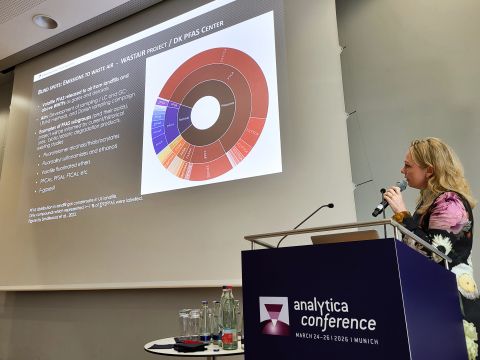
Later that month, on 25 March, Professor Trier delivered a presentation at analytica 2026, in Munich, Germany, titled “Implications, Blind Spots and Consequences of the PM Concept.” Around 30 scientists attended the session, which focused on pollution prevention, monitoring, and regulatory alignment concerning substances that are, or can transform into, Persistent and Mobile (PM) substances. The discussion highlighted concerns regarding short-chain fluorinated PFAS such as TFA and TFMS, as well as fluorinated salts (BF4⁻ and PF6⁻), used in automotive corrosion inhibition and as ionic liquids in batteries.

These contributions underline ARAGORN’s role in advancing European dialogue on soil monitoring, chemical risk assessment, and the regulation of  contaminants.

Professor and project coordinator Xenia Trier at analytica 2026 in Munich

Featured image: Jodie Righos on Unsplash

Hope Beyond Contamination: ARAGORN Featured in New ARTE Documentary on PFAS

News

A new documentary titled "PFAS: An Every Day Poison" (original title: "Tous empoisonnés : le fléau des PFAS"), produced by ARTE, explores the global PFAS crisis through expert voices such as Hans Peter Arp of the ARAGORN project and highlights both risks and emerging solutions.

Date of publication:
Apr 20, 2026

Produced by ARTE, a European public service broadcaster known for its high-quality cultural and investigative programming, the film offers a cross-border perspective on urgent health and environmental issues. Directors Stenka Quillet and Quentin Noirfalisse take viewers to several PFAS hot spots, including Minnesota (USA), Zwijndrecht/Blokkersdijk (Belgium), and Salindres (France), capturing the profound impacts of contamination as well as the growing momentum for change through the voices of affected communities and leading experts. Among the contributors is Hans Peter Arp, representing the ARAGORN project. His interview highlights not only the scale of the challenge but also the importance of advancing practical, science-based solutions.

The documentary concludes on a more hopeful note, featuring a pilot study to rehabilitate the Blokkersdijk facility. The study was carried out with the direct involvement of Hans Peter Arp, together with Robin Lasters, Gerard Cornelissen, Nathalie Briels and colleagues from ARAGORN. At the heart of this work is the “virtuous cycle” approach: PFAS-contaminated biomass is treated through pyrolysis, which destroys PFAS in the plant material and turns it into biochar. Once returned to the soil, the biochar acts like a sponge, binding PFAS and limiting their spread, helping to protect ecosystems and groundwater.

While the documentary does not shy away from the seriousness of PFAS pollution, it ultimately offers a broader reflection: solutions may lie in working with natural processes rather than against them. As the film concludes, “nature is often very inventive and when we look closer we often find solutions that are more sustainable and sometimes more efficient than what humans devise.”

Professor Hans Peter Arp.

Professor Hans Peter Arp

Featured image by Dave Hoefler on Unsplash

Boundaries, Limits, Global Threats − How Can the Impacts of Global Synthetic Pollutants Be Reduced?

News

A new paper reveals why decades of scientific warnings have failed to prevent planetary-scale chemical contamination

Date of publication:
Mar 11, 2026

The article, authored by Martin Scheringer, Hans Peter H. Arp, and Ian T. Cousins, draws on the frameworks of the Limits to Growth and the Planetary Boundaries concept to explain how and why the unchecked extraction of resources and the impacts of toxic chemicals have persistently evaded effective legislative control.

Since the mid-20th century, scientific research has developed along two largely distinct yet complementary paths: one focused on atmospheric impacts, such as chlorofluorocarbons and stratospheric ozone depletion, and the other on aquatic and terrestrial ecotoxicology, addressing substances like DDT, PCBs, and other persistent, bioaccumulative organohalogens. These parallel tracks generated early scientific warnings, fostered international consensus, and ultimately led to landmark multilateral agreements, including the Montreal Protocol and the Stockholm Convention. Yet, despite the existence of a robust and mature body of scientific knowledge on planetary-boundary threats from chemicals, effective prevention has repeatedly lagged behind. The bottleneck, the authors argue, is not a lack of evidence, but the failure to translate that evidence into timely and decisive political action.

To overcome this impasse, the article calls for a step change in governance: stronger, institutionalised science–policy interfaces at regional, national, and international levels that ensure a continuous and structured integration of scientific knowledge into decision-making. Without such systemic reform, progress will remain incremental and reactive rather than preventive. As the authors warn, “Without systemic reform, scientists risk sounding like a broken record repeating the same messages across generations (e.g., ‘avoid highly persistent substances’), while inaction perpetuates global contamination.” The message is clear: the science is already there; what is needed now is the political will and the institutional mechanisms to act on it.

Read the full article here

Featured image extracted from the paper

New Aragorn factsheets on pollutants just published

News

Each document focuses on a specific group of pollutants: metals, PFAS, OCBs, and PETCO. The factsheets are a core component of Aragorn’s broader efforts to inform and engage stakeholders, targeting not only landowners and involved actors but also a wider audience interested in persistent pollutants affecting local land and water.

Date of publication:
Feb 13, 2026

The Aragorn story originated from early initiatives aimed at bringing attention to soil contamination caused by PFAS, also known as “forever chemicals” — man-made substances that have been manufactured since the 1940s for a wide variety of consumer and industrial products. One of the main reasons why PFAS are particularly harmful lies in their persistence and mobility, together with their toxicological effects.

However, there are other pollutants that the newly published factsheets help shed light on: metals, PETCO, and OCBs. Although they have different chemical characteristics, they all pose significant environmental and health risks due to their widespread use, persistence, and toxicity, making the sharing of reliable information on these substances essential.

By addressing the nature of these pollutants, the current regulatory framework, their environmental impact, and the steps required to assess a potentially contaminated site, these factsheets are designed as a go-to resource — detailed yet accessible — for anyone seeking to better understand these pollutants and help spark greater awareness.

Read the factsheets here

Featured image by Red Zeppelin on Unsplash

From Grape Waste to Environmental Cleanup: Iron Bionanoparticles for PCB Removal

News

New research shows how grape waste can support greener PCB cleanup

Date of publication:
Feb 2, 2026

Turning agricultural waste into tools for environmental remediation is a key goal of the circular economy. The study “Removal of polychlorinated biphenyls combining the synergy of bacteria and iron bionanoparticles prepared from agrowaste”, by Tlčíková et al., presents a sustainable approach to removing polychlorinated biphenyls (PCBs)—toxic and persistent environmental pollutants—by combining iron bionanoparticles derived from grape waste with beneficial bacteria.

Researchers synthesized iron nanoparticles using grape berries and grape pomace from two Vitis vinifera cultivars, Merlot and Blaufränkisch. The most effective materials were obtained from Merlot grape pomace, producing amorphous, nanometric, and porous particles with a very high surface area. Natural grape polyphenols played an important role in stabilizing the nanoparticles and enhancing their redox activity, with synthesis occurring under mild, near-physiological conditions.

When used on their own, the iron bionanoparticles were already effective, removing a significant portion of PCBs within two weeks. The results improved even further when the nanoparticles were combined with naturally occurring bacteria, showing that the two approaches work better together than alone. This synergy led to much higher pollutant removal, confirming the potential of nature-based solutions for environmental cleanup.

Overall, the study demonstrates how agrowaste can be transformed into effective, low-toxicity nanomaterials for environmental cleanup, supporting sustainable nanotechnology and innovative strategies for pollution remediation.

To learn more about the methods and results, read the full article here.

Featured image by David Köhler on Unsplash