
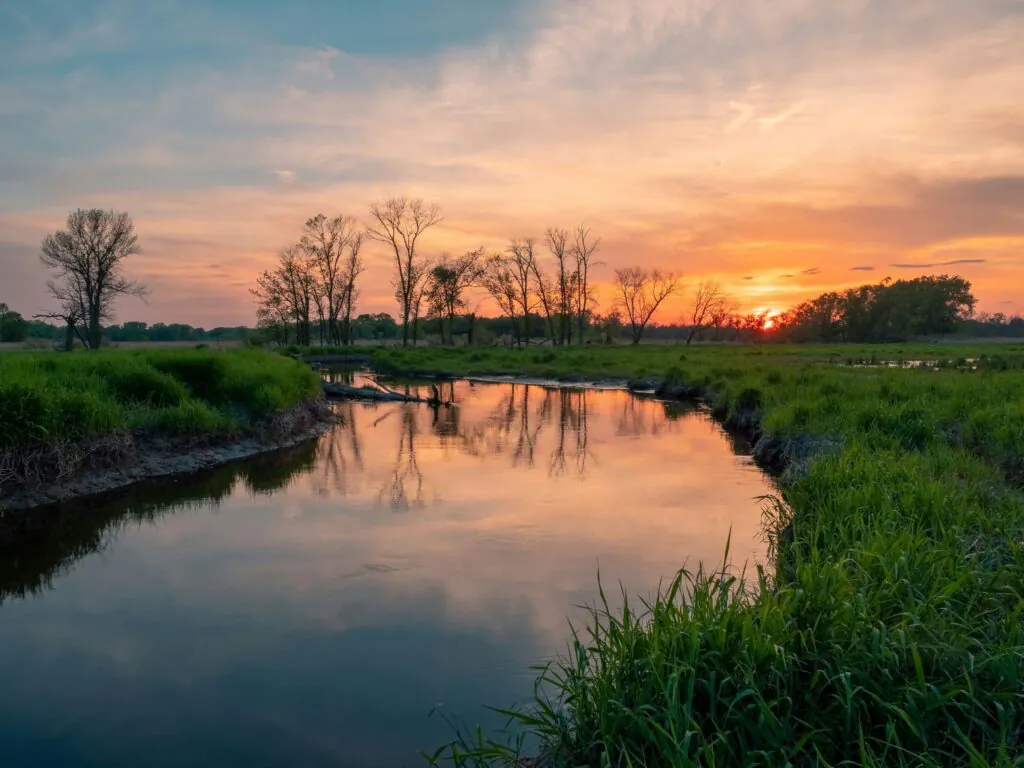
Produced by ARTE, a European public service broadcaster known for its high-quality cultural and investigative programming, the film offers a cross-border perspective on urgent health and environmental issues. Directors Stenka Quillet and Quentin Noirfalisse take viewers to several PFAS hot spots, including Minnesota (USA), Zwijndrecht/Blokkersdijk (Belgium), and Salindres (France), capturing the profound impacts of contamination as well as the growing momentum for change through the voices of affected communities and leading experts. Among the contributors is Hans Peter Arp, representing the ARAGORN project. His interview highlights not only the scale of the challenge but also the importance of advancing practical, science-based solutions.
The documentary concludes on a more hopeful note, featuring a pilot study to rehabilitate the Blokkersdijk facility. The study was carried out with the direct involvement of Hans Peter Arp, together with Robin Lasters, Gerard Cornelissen, Nathalie Briels and colleagues from ARAGORN. At the heart of this work is the “virtuous cycle” approach: PFAS-contaminated biomass is treated through pyrolysis, which destroys PFAS in the plant material and turns it into biochar. Once returned to the soil, the biochar acts like a sponge, binding PFAS and limiting their spread, helping to protect ecosystems and groundwater.
While the documentary does not shy away from the seriousness of PFAS pollution, it ultimately offers a broader reflection: solutions may lie in working with natural processes rather than against them. As the film concludes, “nature is often very inventive and when we look closer we often find solutions that are more sustainable and sometimes more efficient than what humans devise.”
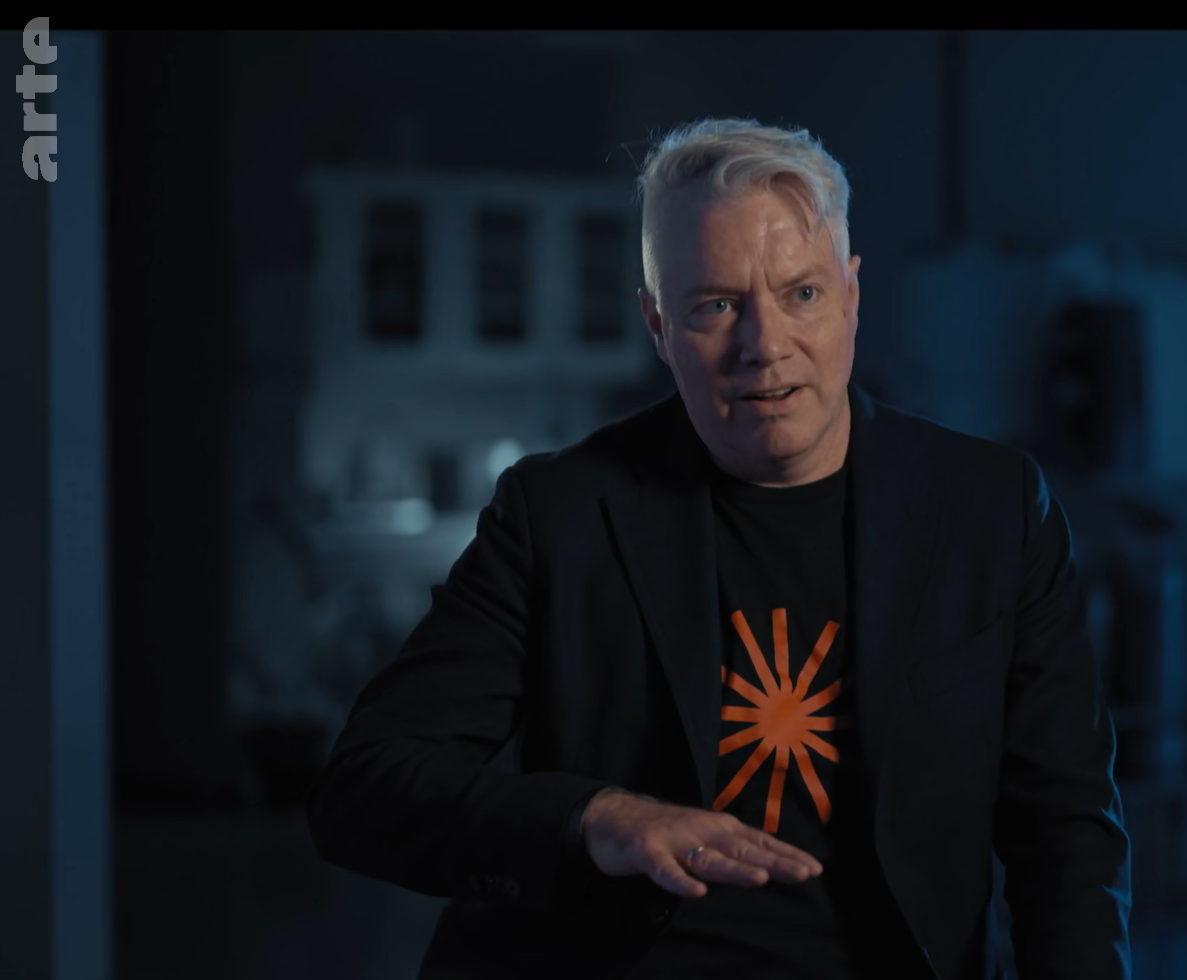
Professor Hans Peter Arp