The activities were coordinated by Dorina Podar and involved researchers from the Faculty of Biology and Geology and the Faculty of Environmental Science and Engineering at Babeș-Bolyai University.
Building on lessons learned during the 2025 field season, the team adapted the experimental design to improve resilience following challenging weather conditions, including extreme drought, flooding, and erosion. While the previous season demonstrated the potential of the proposed remediation strategies, it also highlighted the practical challenges of implementing field-based Nature-Based Solutions under variable climatic conditions.
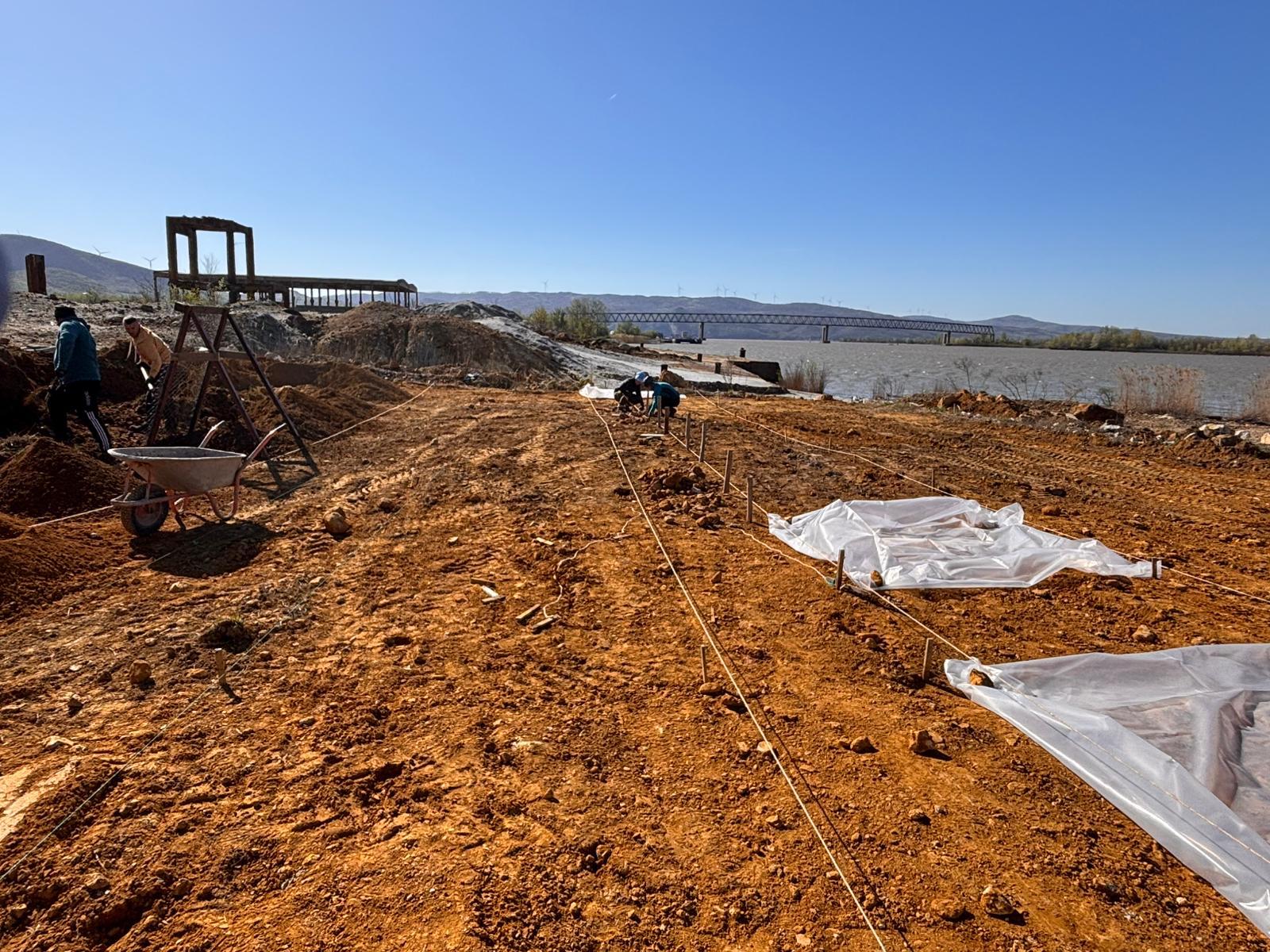
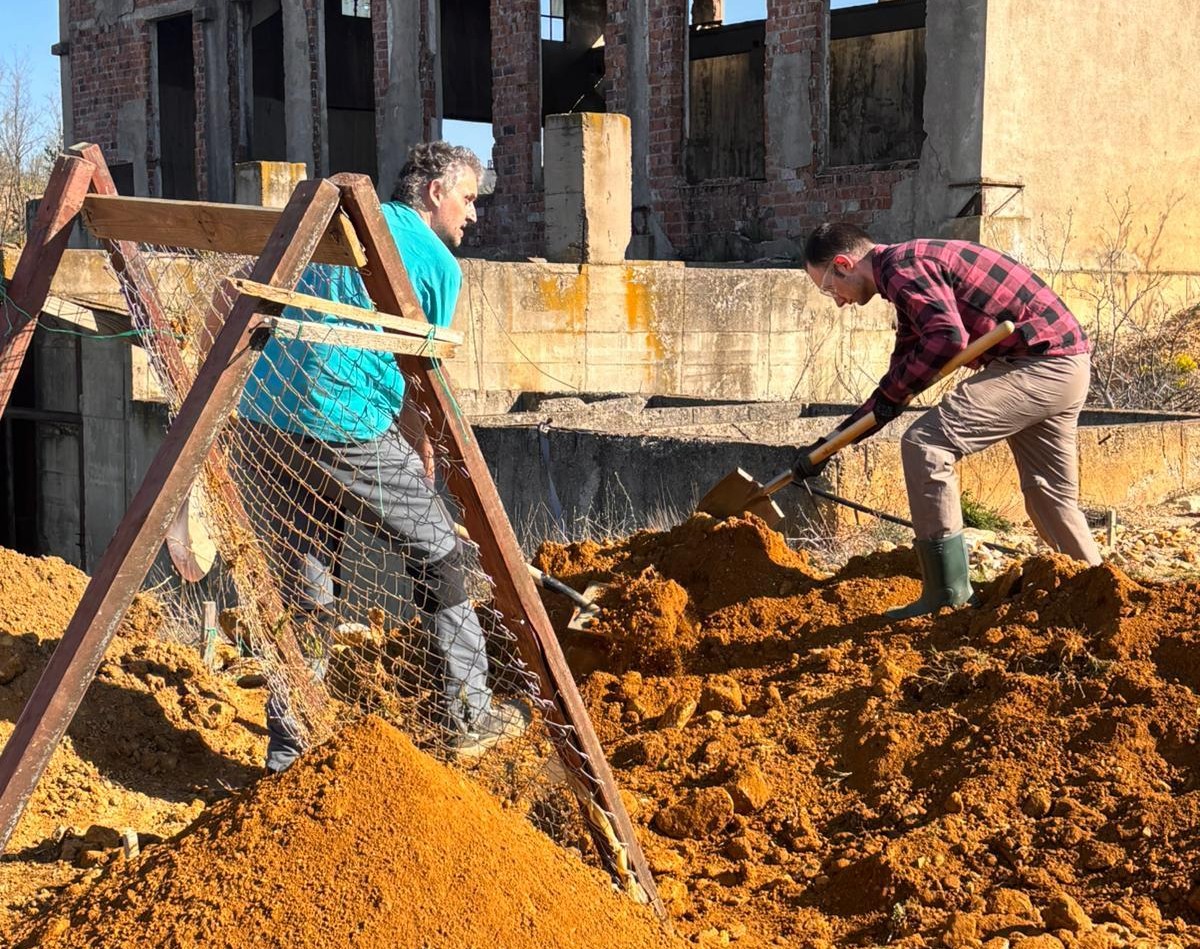
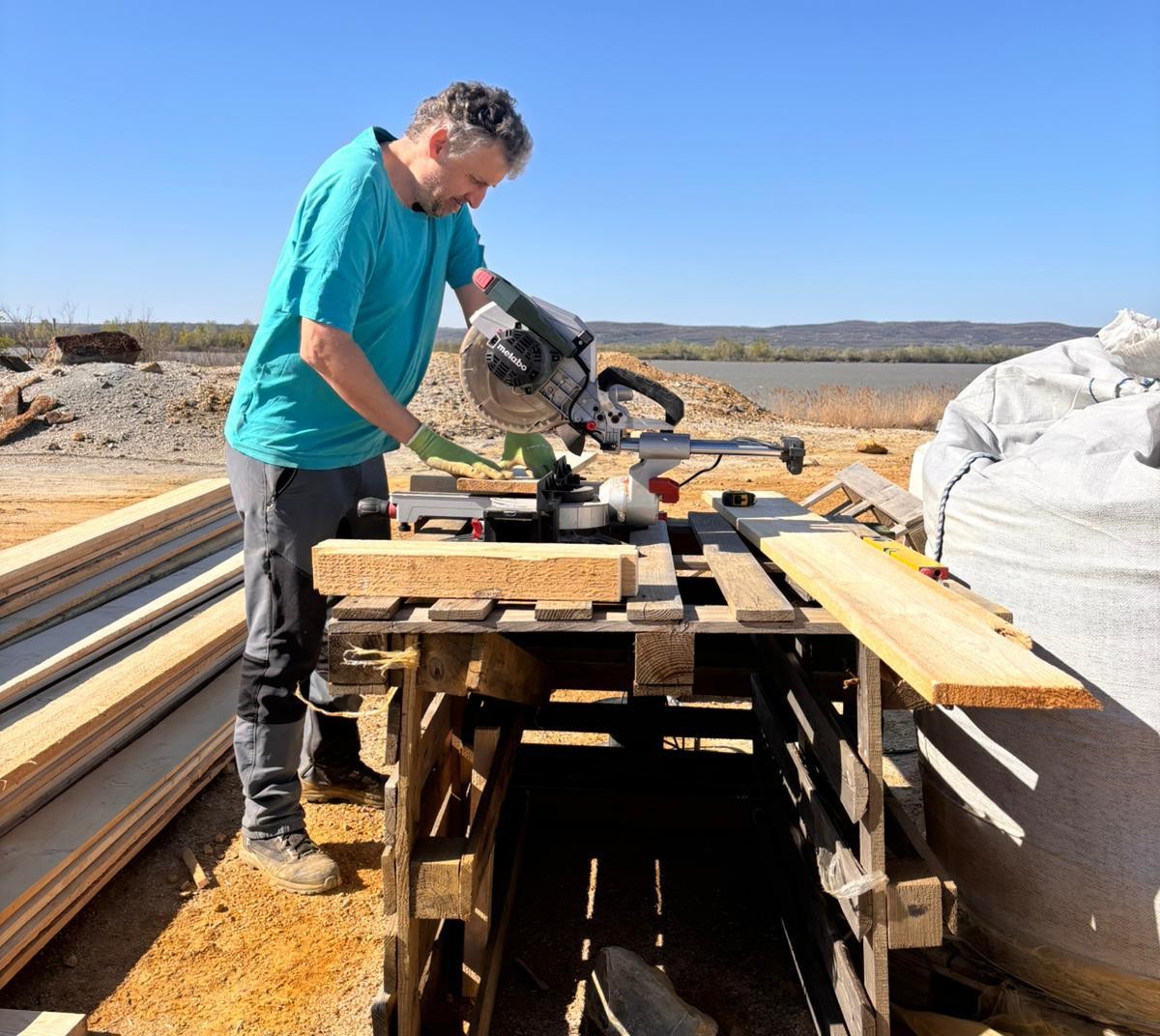
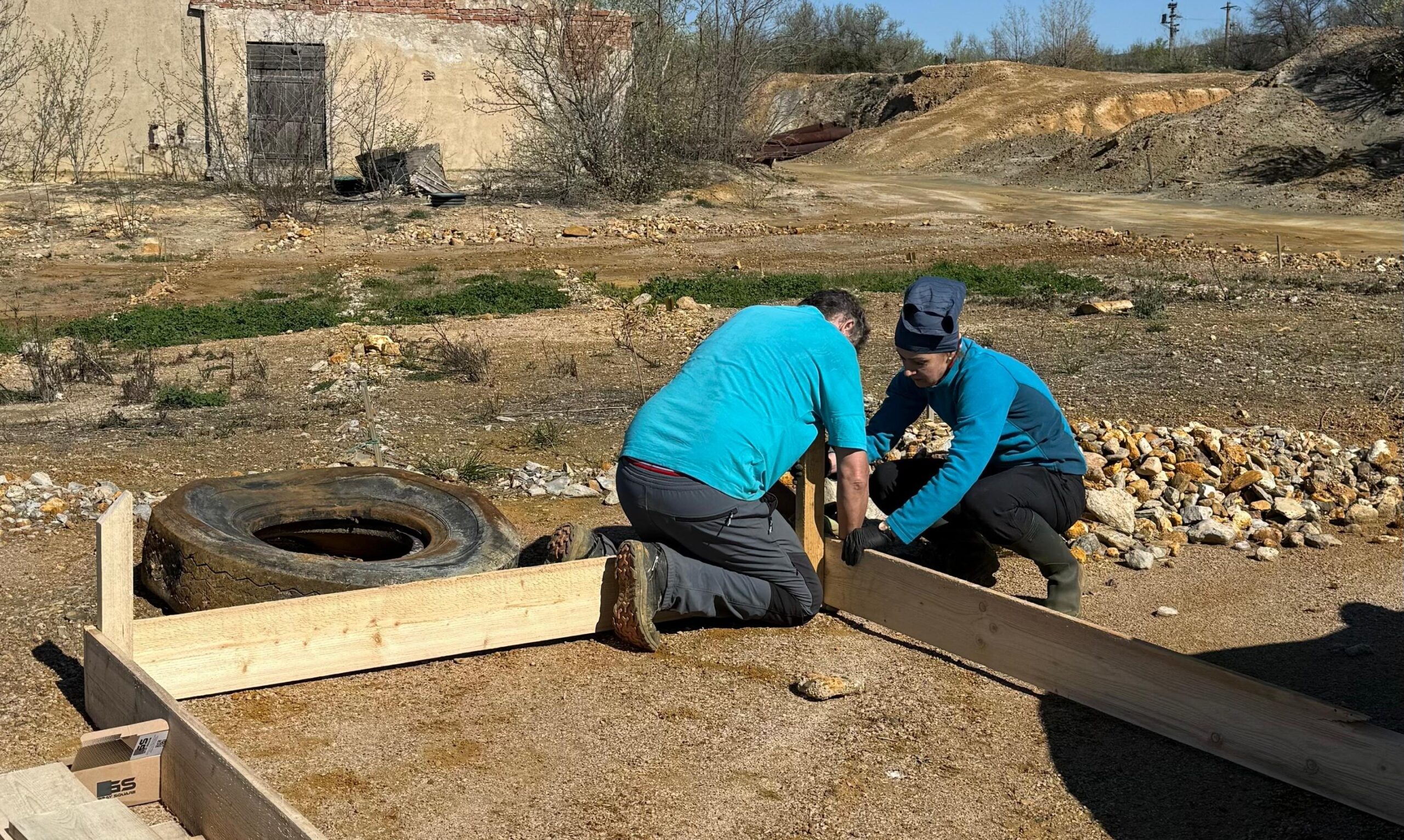
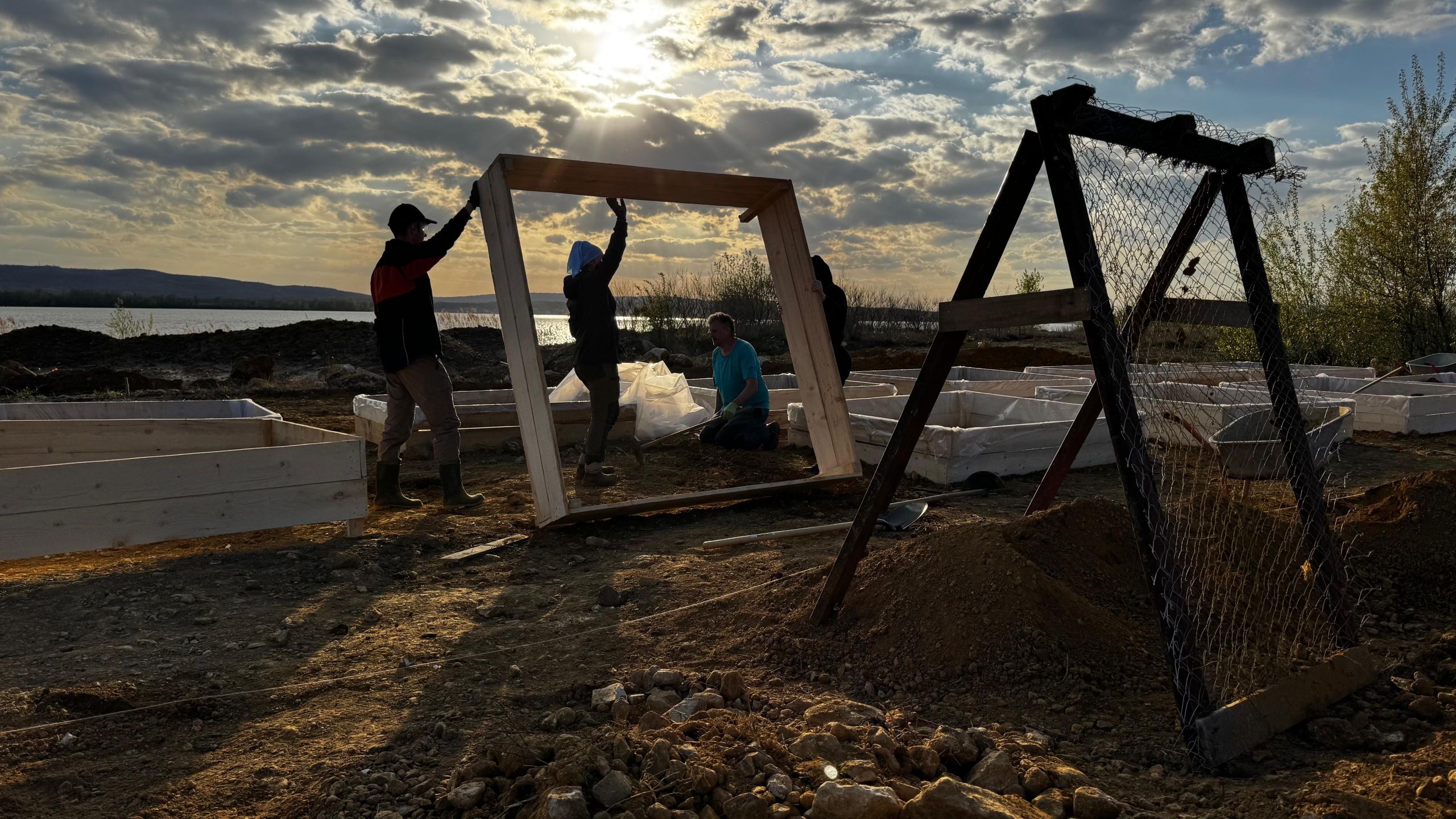
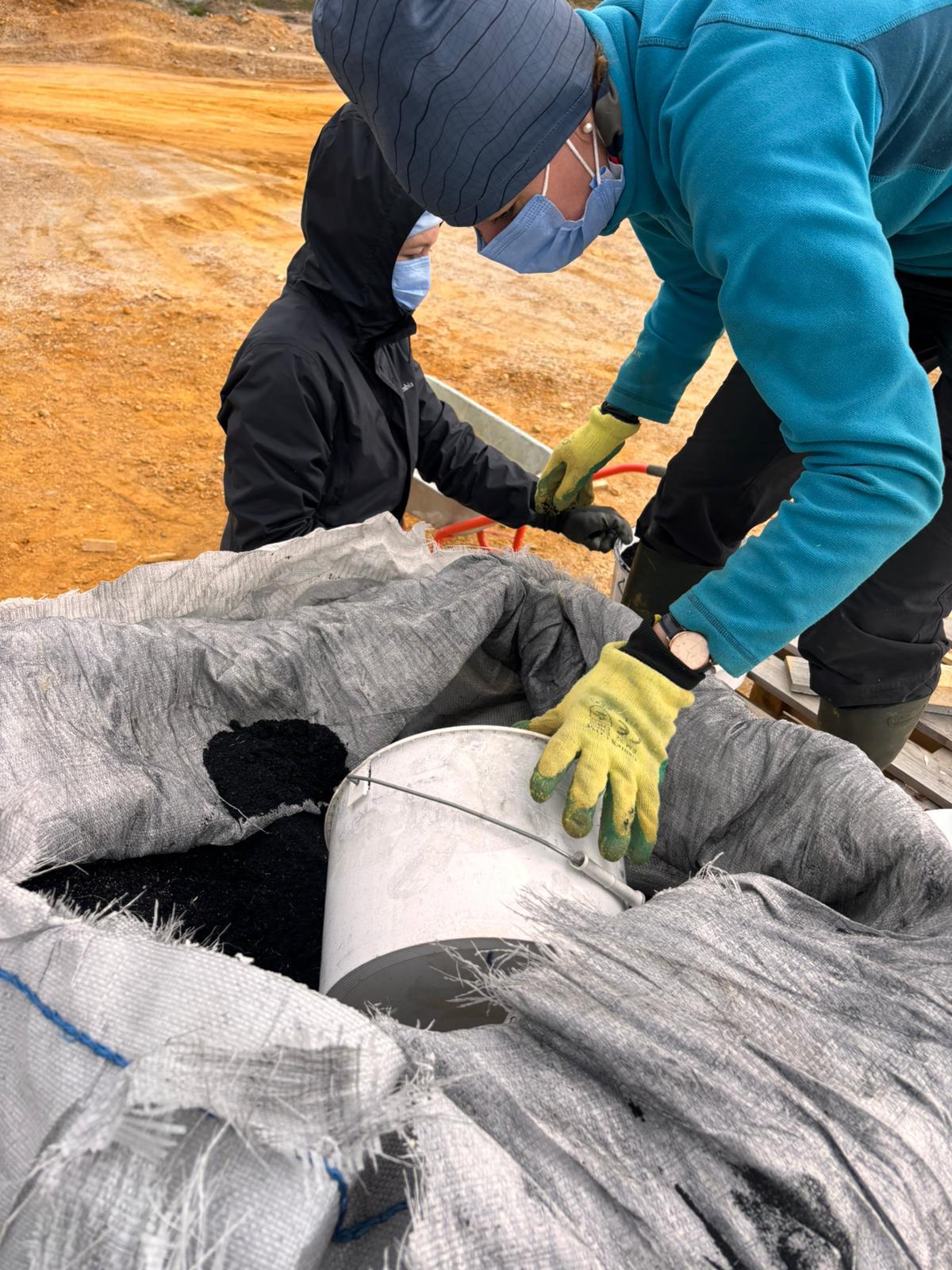
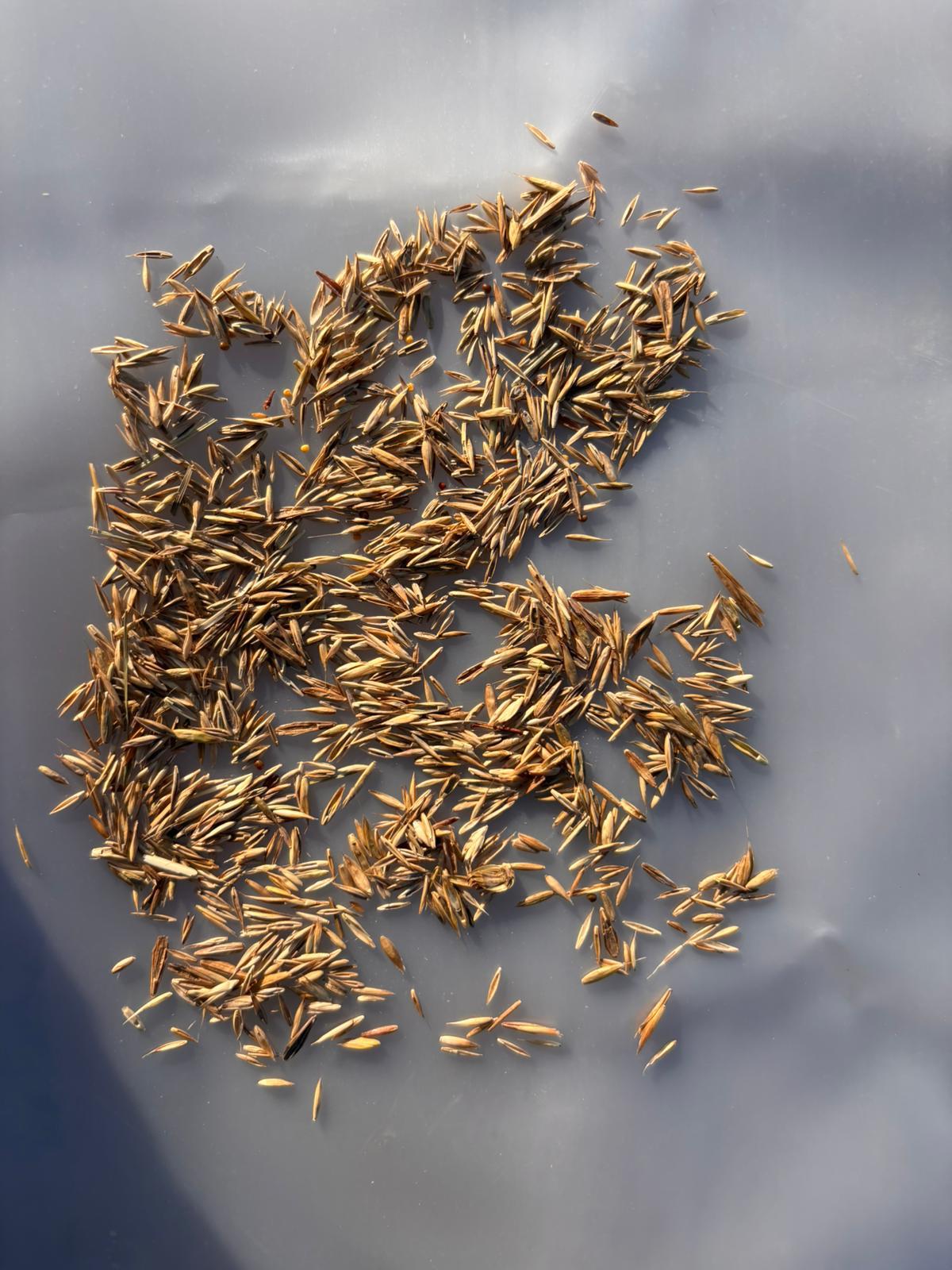
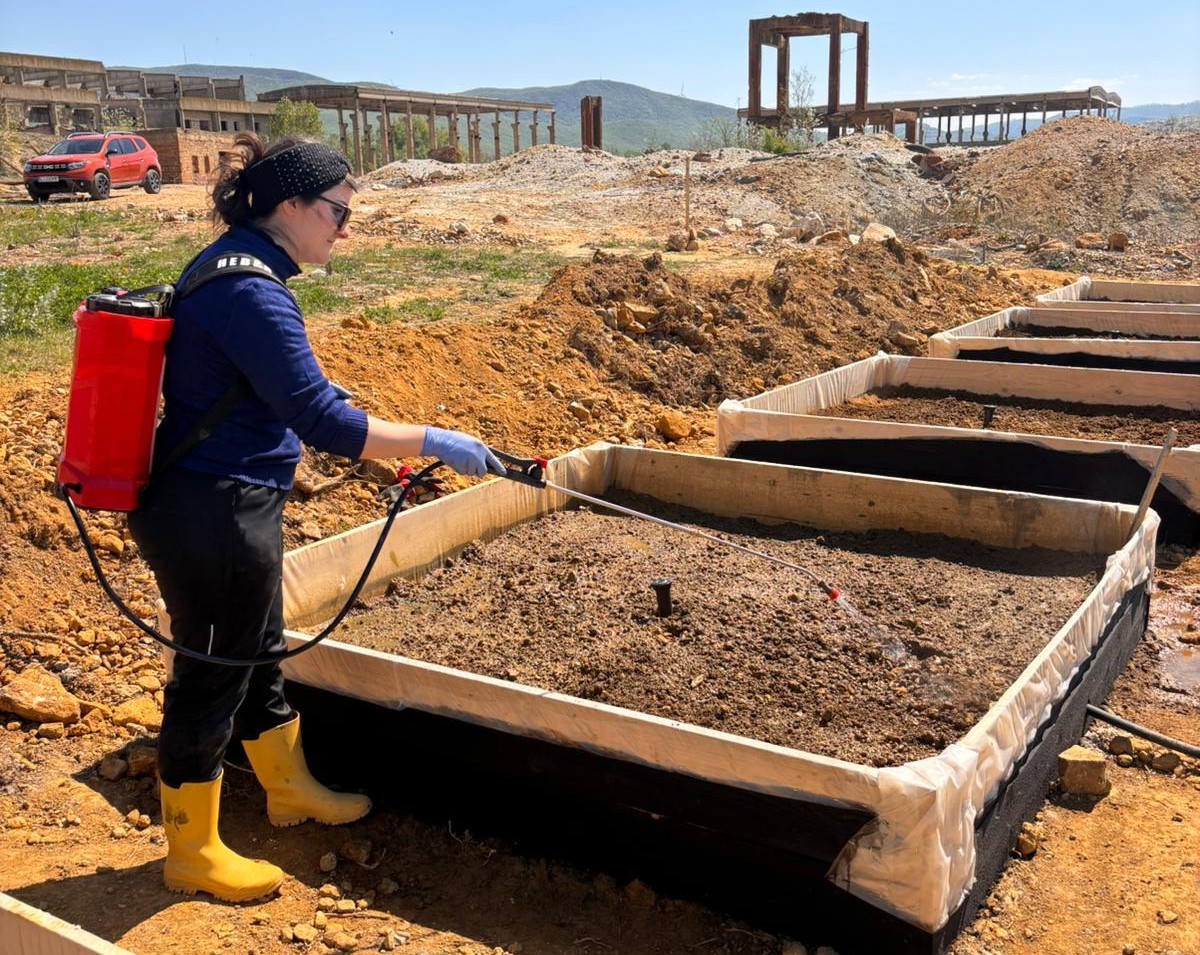
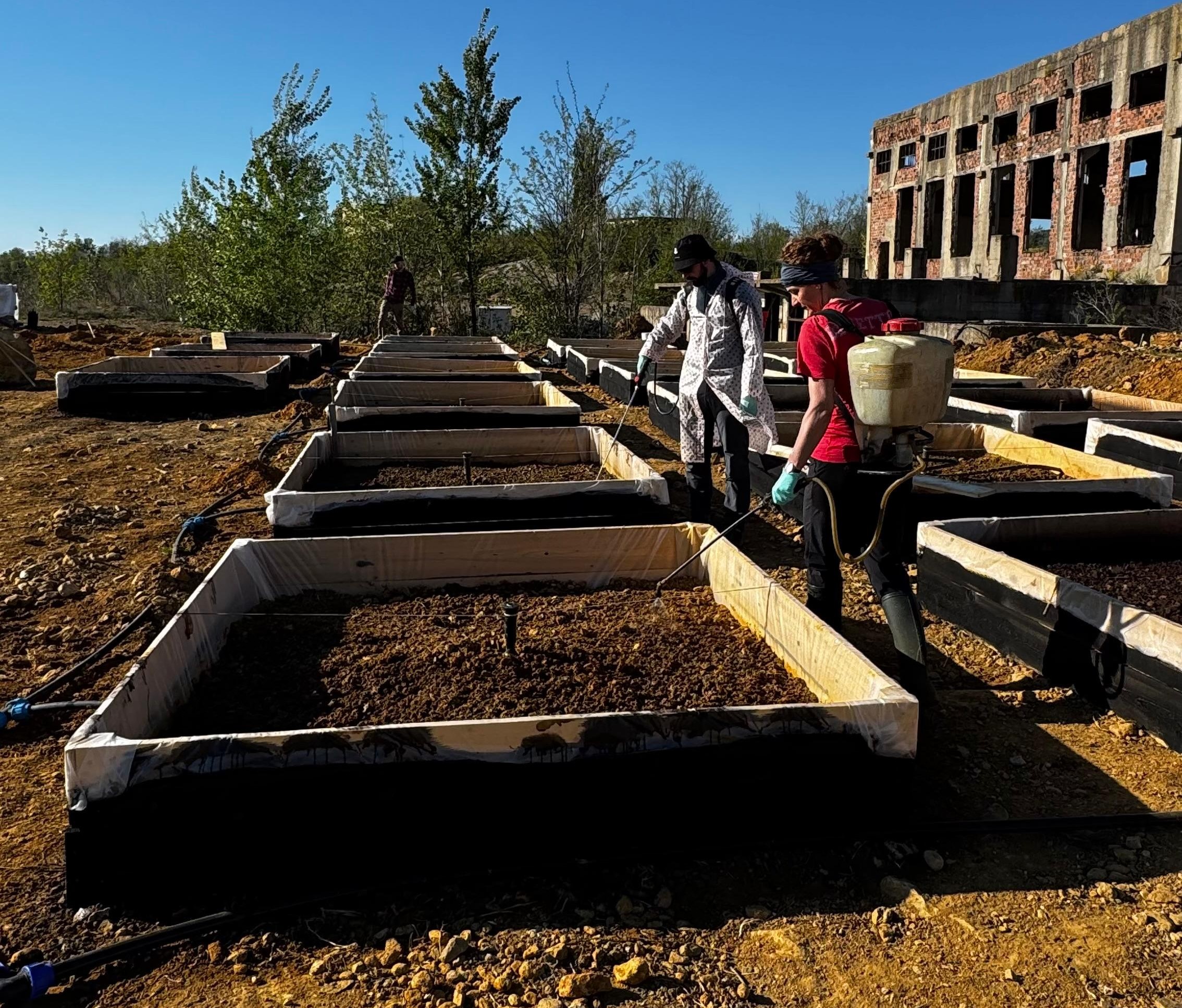
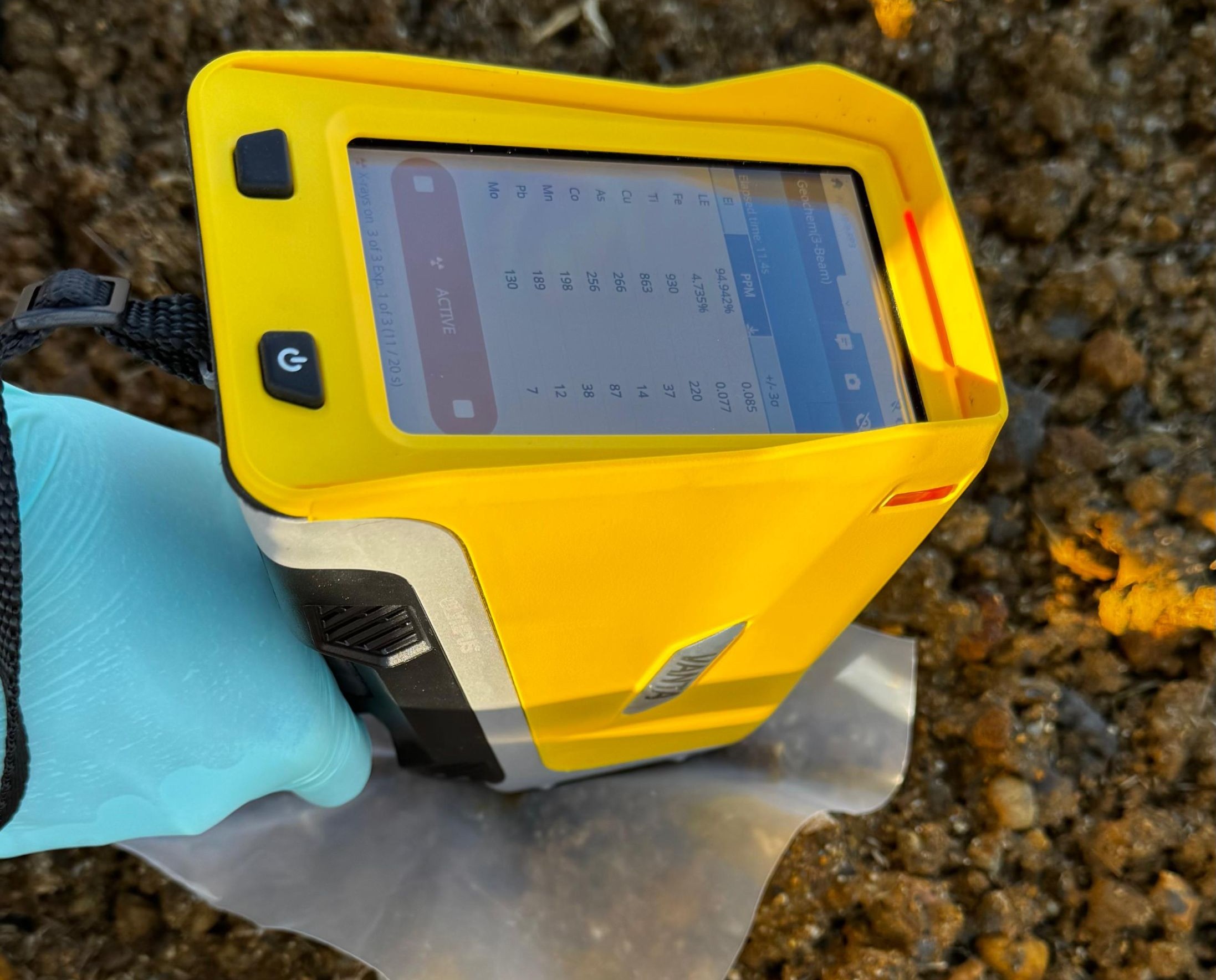
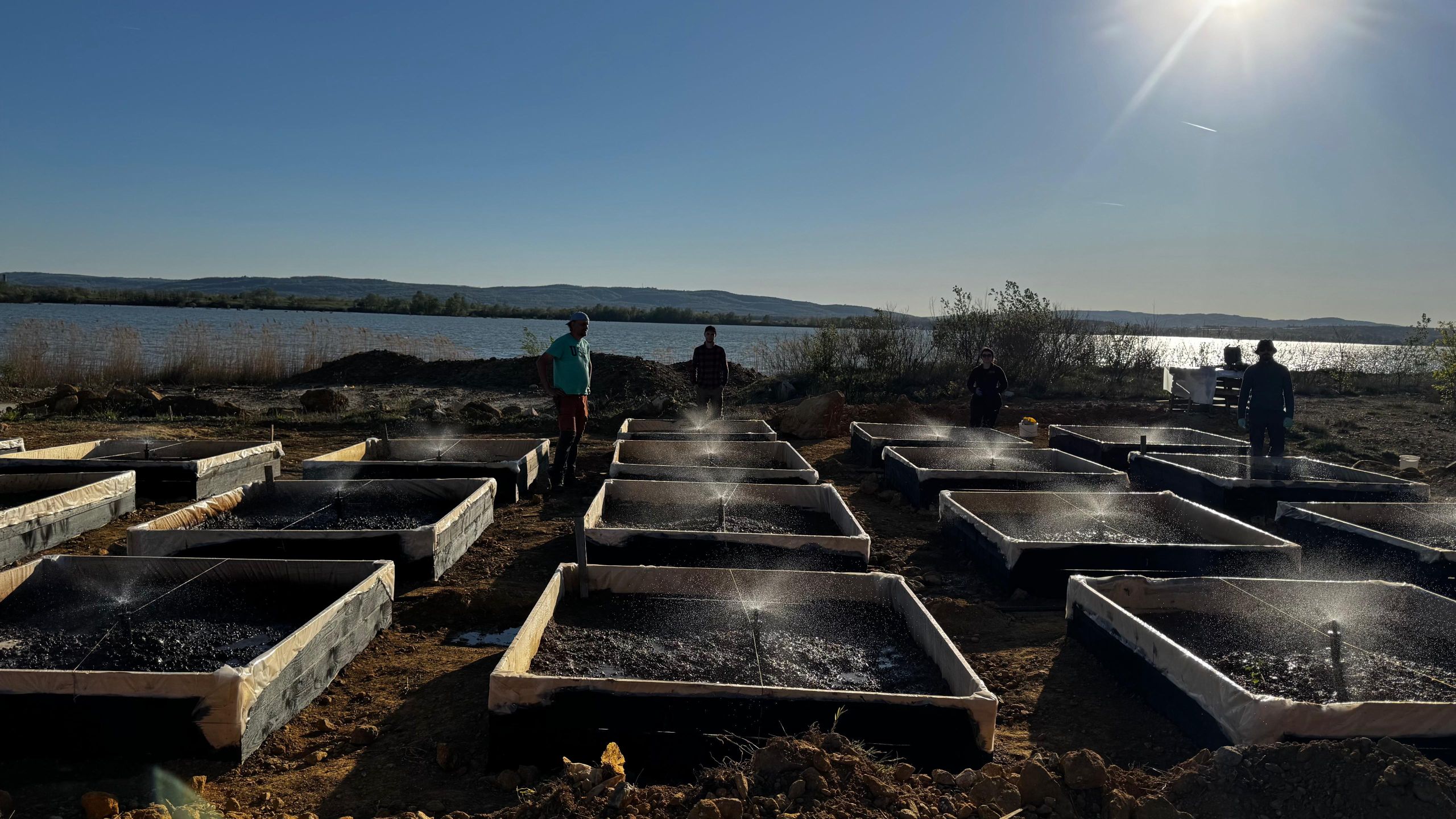
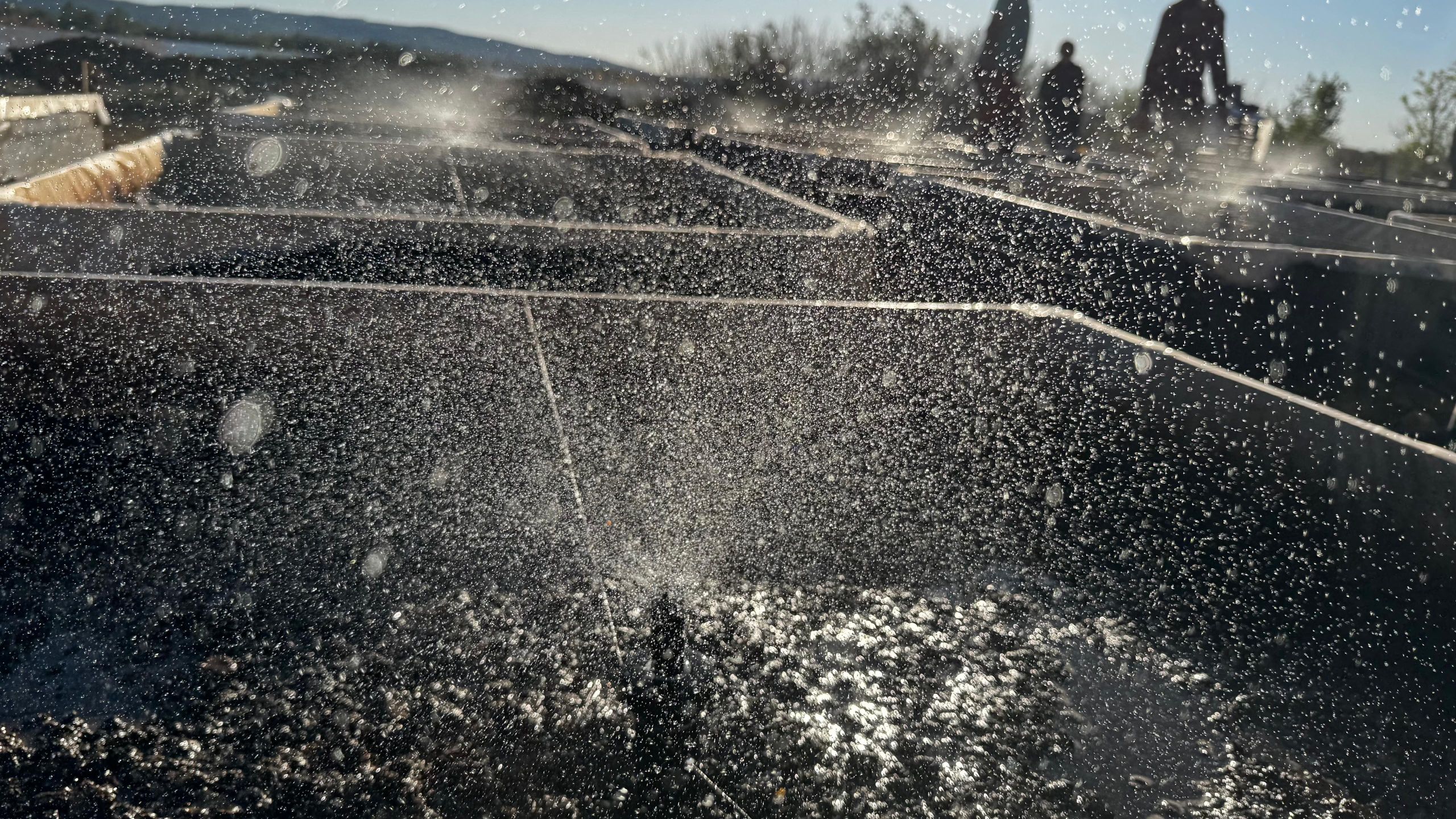
During this implementation phase, the team completed the construction and preparation of the experimental plots, distributed soil and amendments, installed the irrigation system, and sowed seed mixtures of plant species selected for the restoration of eroded land. Beneficial microorganisms, including bacterial inoculum and mycorrhiza, were also applied, and baseline measurements of soil metal concentrations were carried out at the start of the experiment.
With this first implementation phase now completed, the project moves into the monitoring stage, where the effectiveness and resilience of the Nature-Based Solutions will be assessed under real field conditions. Testing these approaches in operational environments is essential to evaluate their scalability and long-term remediation potential.
The ARAGORN consortium extends its gratitude to the Moldova Nouă City Hall, local volunteers, and the students of “Clisura Dunării” Technological High School for their valuable support during the field activities.
Special recognition goes to the ARAGORN team members involved in the implementation: Zoltan Balazs, Cristina Lorena Văcar, Ema Tiodar, Mihai Grimm, and Csaba Timar.
The photos below offer a chronological overview of the implementation process, documenting each stage of the work carried out on site.