
Turning agricultural waste into tools for environmental remediation is a key goal of the circular economy. The study “Removal of polychlorinated biphenyls combining the synergy of bacteria and iron bionanoparticles prepared from agrowaste”, by Tlčíková et al., presents a sustainable approach to removing polychlorinated biphenyls (PCBs)—toxic and persistent environmental pollutants—by combining iron bionanoparticles derived from grape waste with beneficial bacteria.
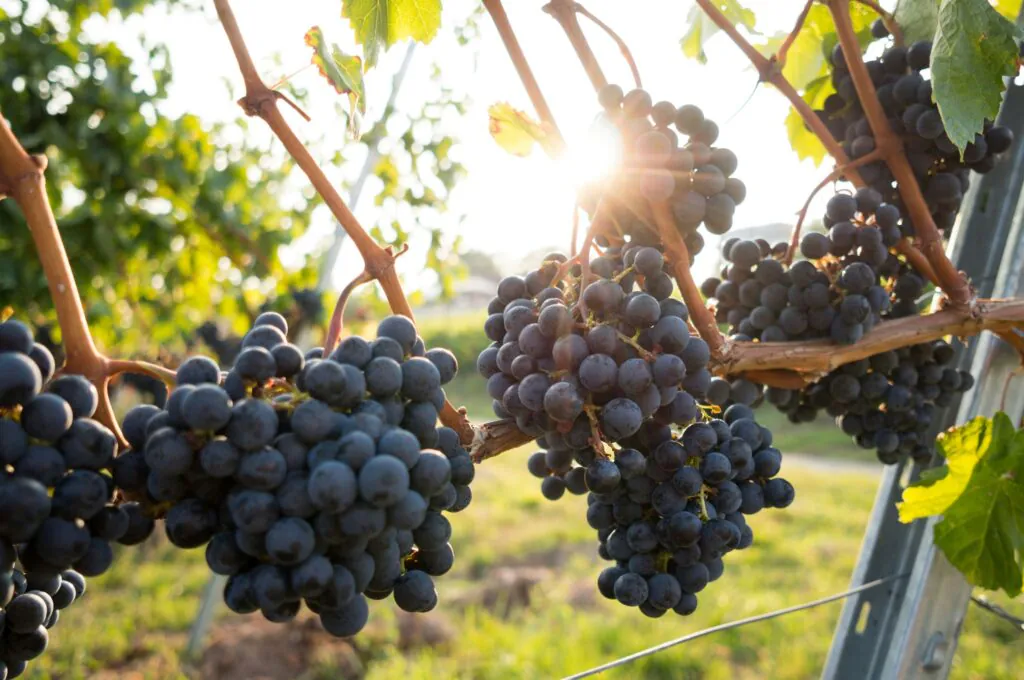
Researchers synthesized iron nanoparticles using grape berries and grape pomace from two Vitis vinifera cultivars, Merlot and Blaufränkisch. The most effective materials were obtained from Merlot grape pomace, producing amorphous, nanometric, and porous particles with a very high surface area. Natural grape polyphenols played an important role in stabilizing the nanoparticles and enhancing their redox activity, with synthesis occurring under mild, near-physiological conditions.
When used on their own, the iron bionanoparticles were already effective, removing a significant portion of PCBs within two weeks. The results improved even further when the nanoparticles were combined with naturally occurring bacteria, showing that the two approaches work better together than alone. This synergy led to much higher pollutant removal, confirming the potential of nature-based solutions for environmental cleanup.
Overall, the study demonstrates how agrowaste can be transformed into effective, low-toxicity nanomaterials for environmental cleanup, supporting sustainable nanotechnology and innovative strategies for pollution remediation.