
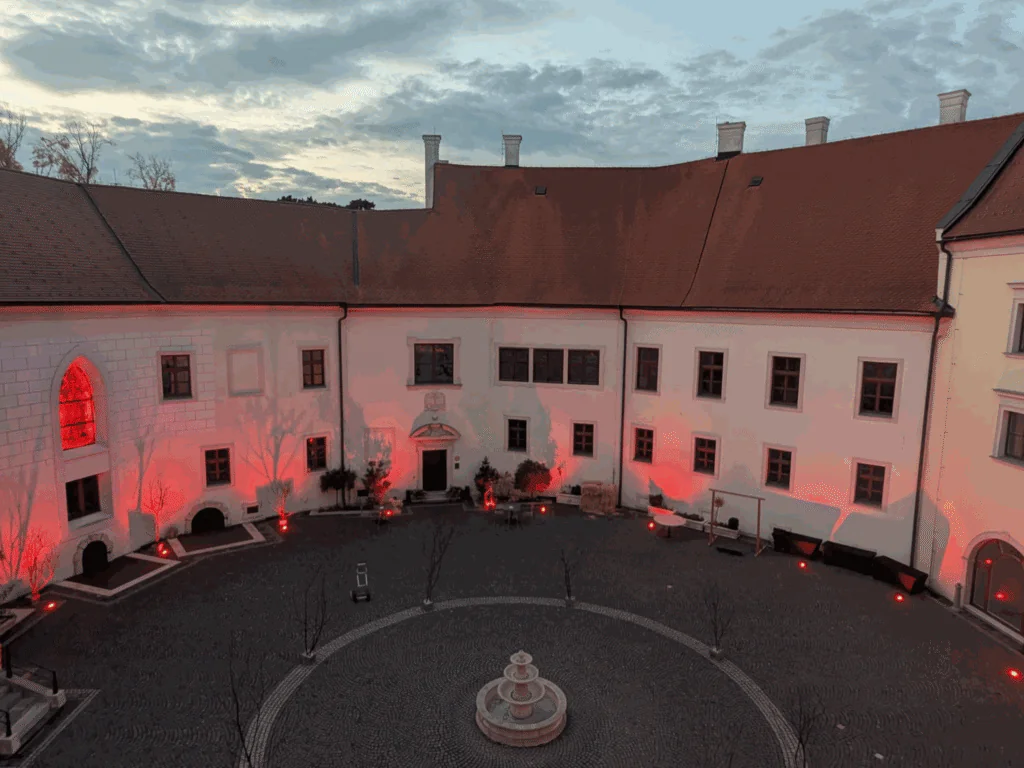
According to Slovak tradition, the permoník were spirits who protected the miners working in the region’s mines. Beyond the assonance with Pezinok, the small town near Bratislava where the ARAGORN consortium met, the permoník had a purpose very similar to the project’s, if decidedly less scientific: to warn people of the risks coming from deep within the soil.
Pezinok, one of ARAGORN’s case study sites, is no ordinary venue. Gold, pyrite and antimony ores were mined and processed here from the 14th century until 1991, and arsenic and antimony from the old tailings and mine water have spread into the surrounding soils, streams and groundwater.
The meeting brought together partners from across Europe and two of the project’s scientific advisors in person, Tobias Frische of the German Environment Agency (UBA) and Christopher Higgins of the Colorado School of Mines, while other advisors joined online during the General Assembly.
Taking stock
The meeting opened by taking stock of three years of research. ARAGORN has mapped 31,984 potentially contaminated sites across Europe – places where people live, farm and walk – and generated more than 17,000 data points on soil, water and living organisms.
Its work has already reached EU policy: a list of 43 PFAS, the so-called “forever chemicals”, developed with the project’s input, is now recommended for monitoring under the EU Soil Monitoring Law.
At Pezinok, tests showed that adding iron-based materials to the soil can sharply reduce the amount of arsenic washing out of it, while soil washing removed around 90% of the arsenic. All of this feeds into the ARAGORN decision tree, which combines risk, socio-economic and resilience assessment to help land managers choose solutions that reduce risks without causing new damage, avoiding what the project calls “regrettable remediation”.
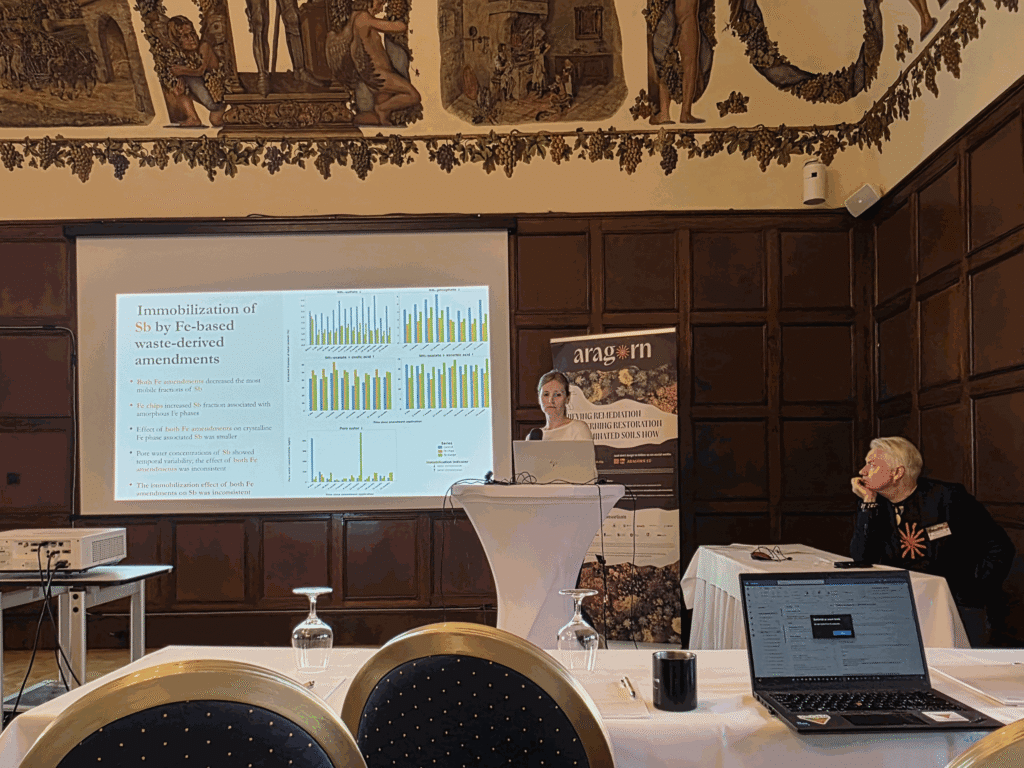
Partners presenting their research
Listening to Pezinok
On the second morning, local and national stakeholders joined the consortium for a co-creation workshop facilitated by ICONS. Around five mixed tables, participants included representatives of the Slovak Environment Agency, national authorities, local NGOs, businesses and academia.
Veronika Špirová (Comenius University in Bratislava) opened with the history of the site and its contamination, recalling that remediation projects were prepared in 2015 and updated in 2020 but have not yet been implemented. Xenia Trier and Hans Peter Arp then introduced ARAGORN and walked participants through the decision tree, applied to Pezinok.
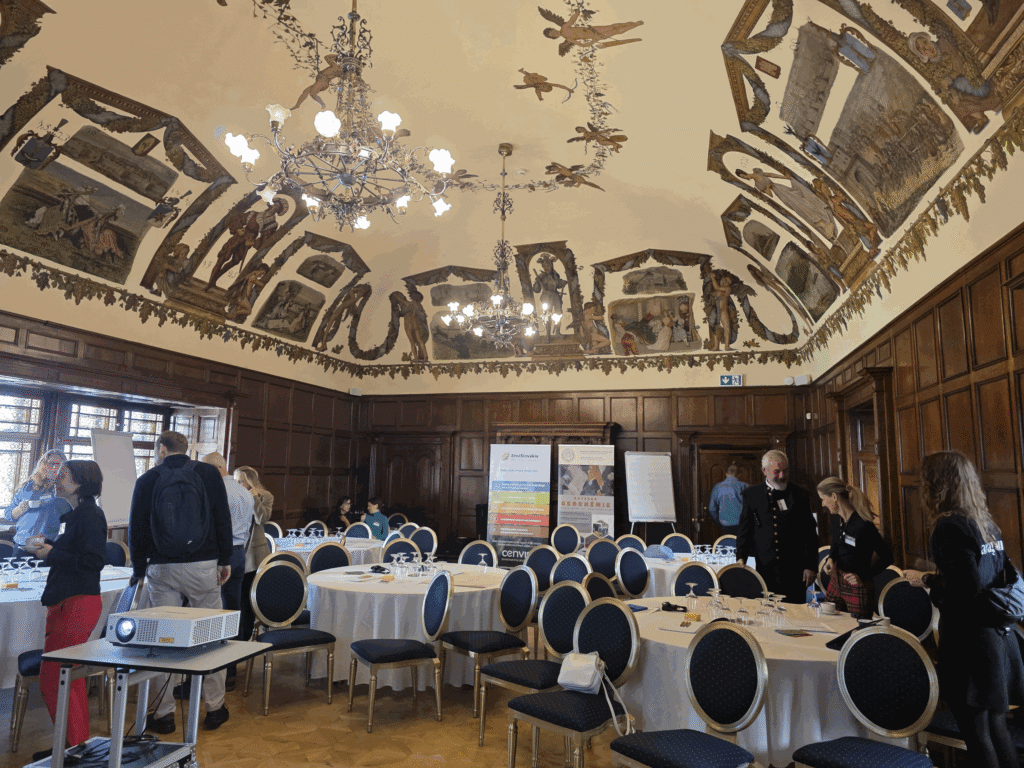
Setting the scene for the workshop
In the first activity, each table moved from concerns to action. Participants wrote down what worries them about the site, grouped their concerns under environment, health and the local economy, chose the most important ones, and discussed what could be done and who should take the lead. In the second activity, they formulated the questions the ARAGORN decision tool should be able to answer for different users – from landowners (“When will my land be safe to use again?”) and local authorities (“What will it cost, and who pays?”) to consultants, planners, policymakers and financial actors.
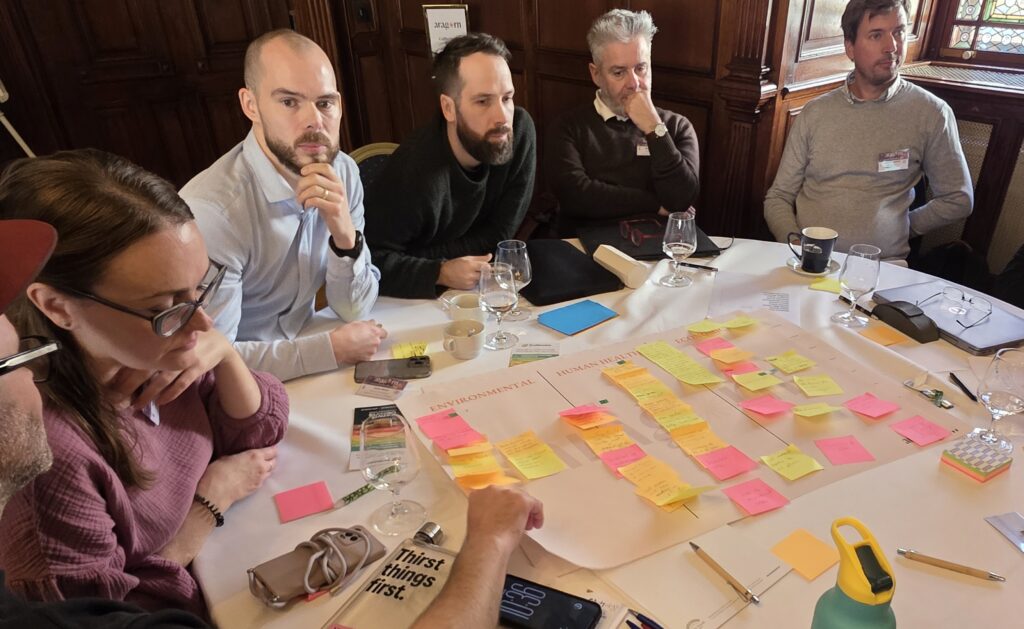
Consortium partners and stakeholders discussing their concerns
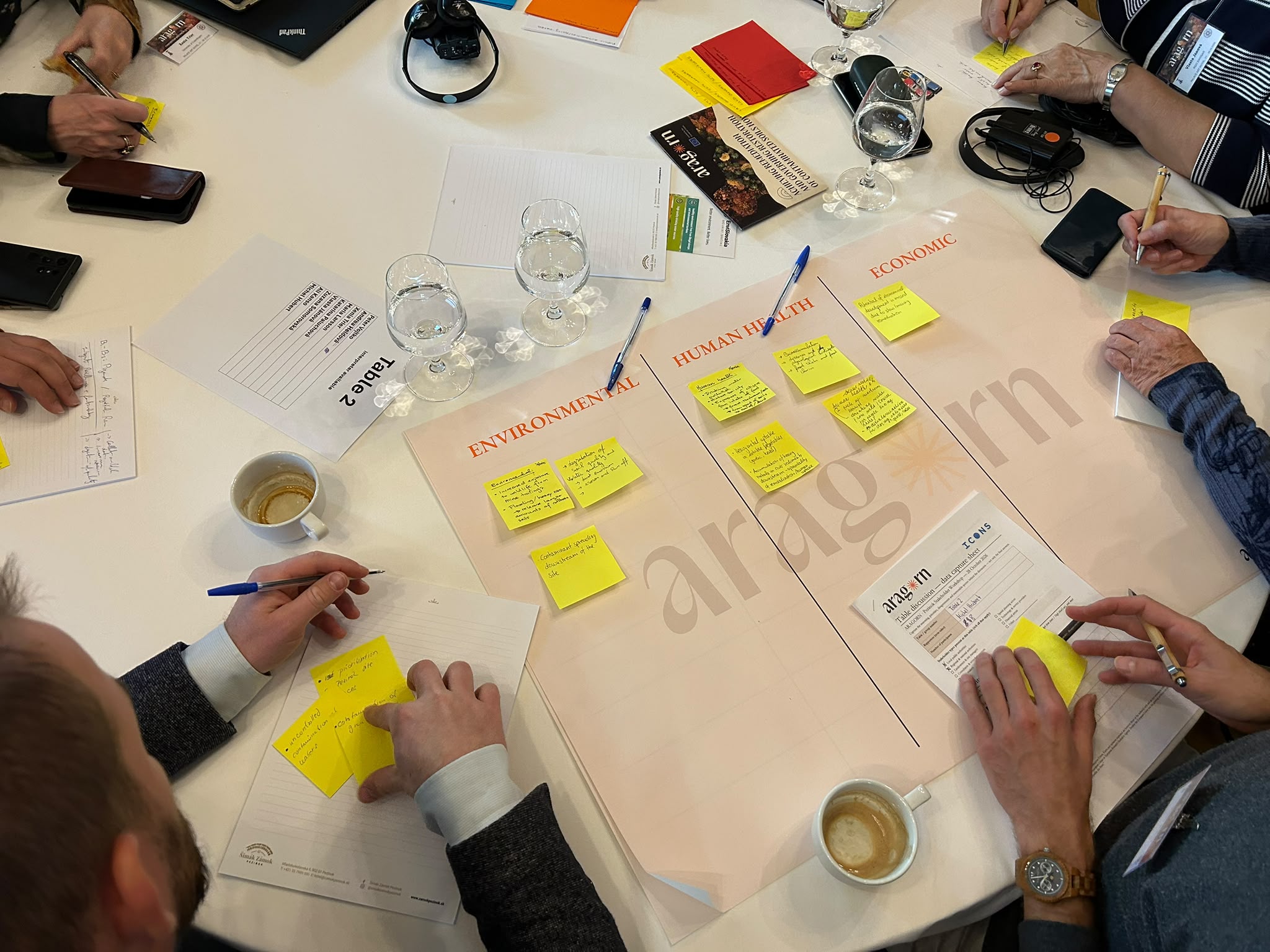
Consortium partners and stakeholders co-creating
The risks that matter most locally are those linked to food, drinking and irrigation water, and the use of the forest, where people walk, hunt and pick wild garlic and mushrooms. Participants also discussed what it takes to turn plans into action, from securing funding to navigating the administrative steps involved. Stakeholders asked for tools that are easy to use and show risks, costs and benefits over time and their input will feed directly into the ARAGORN decision tree.
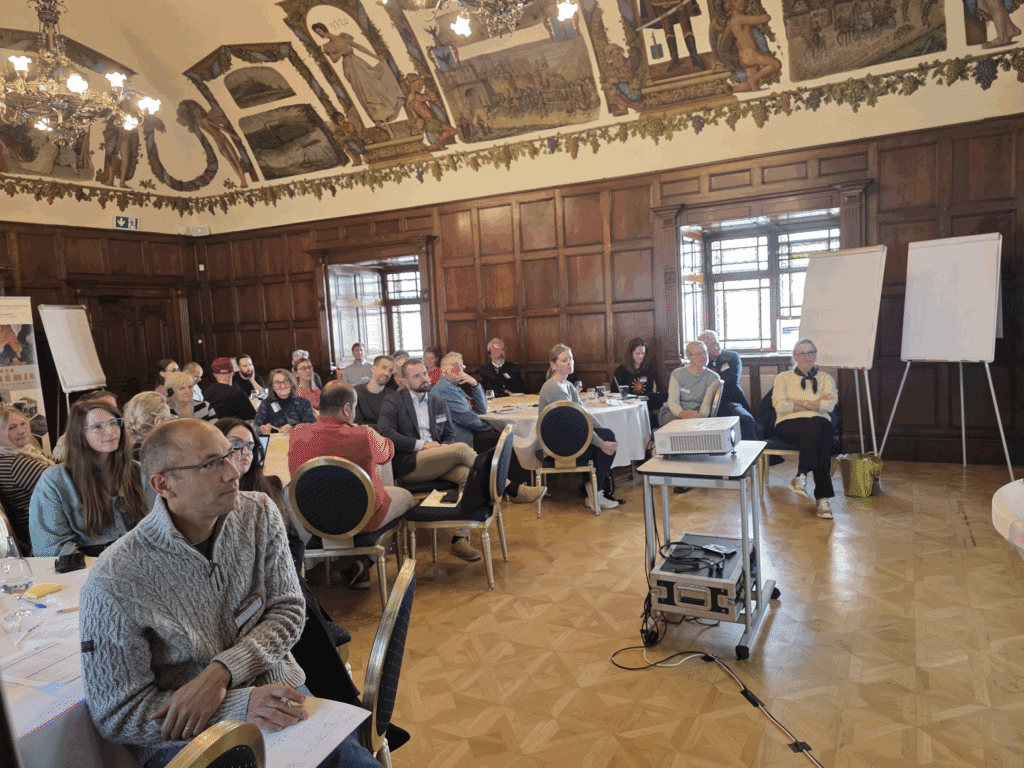
Stakeholders and consortium partners during the final discussion
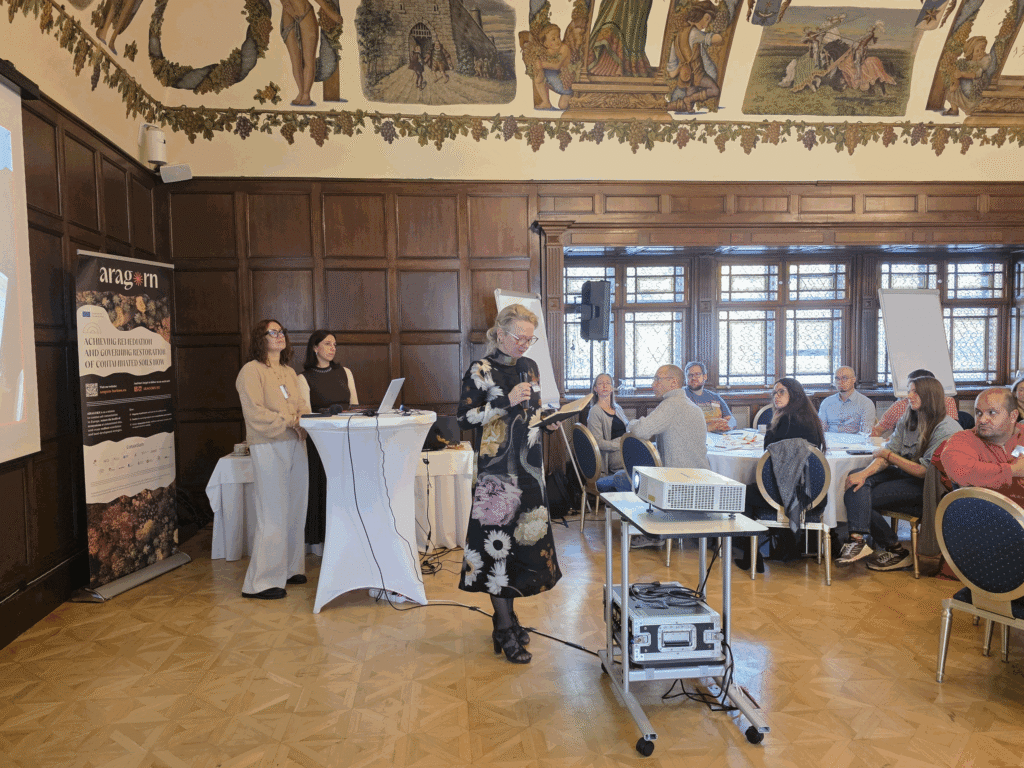
Coordinator Xenia Trier and ICONS Social Innovation Unit moderating the final discussion
At the mine
In the afternoon, the consortium travelled to the former mine outside Pezinok. In three rotating groups, participants took a guided visit of the mine with a local guide and an interpreter, saw the field plots where the iron-based amendments and soil washing were tested, and took part in a “walk and talk”activity.
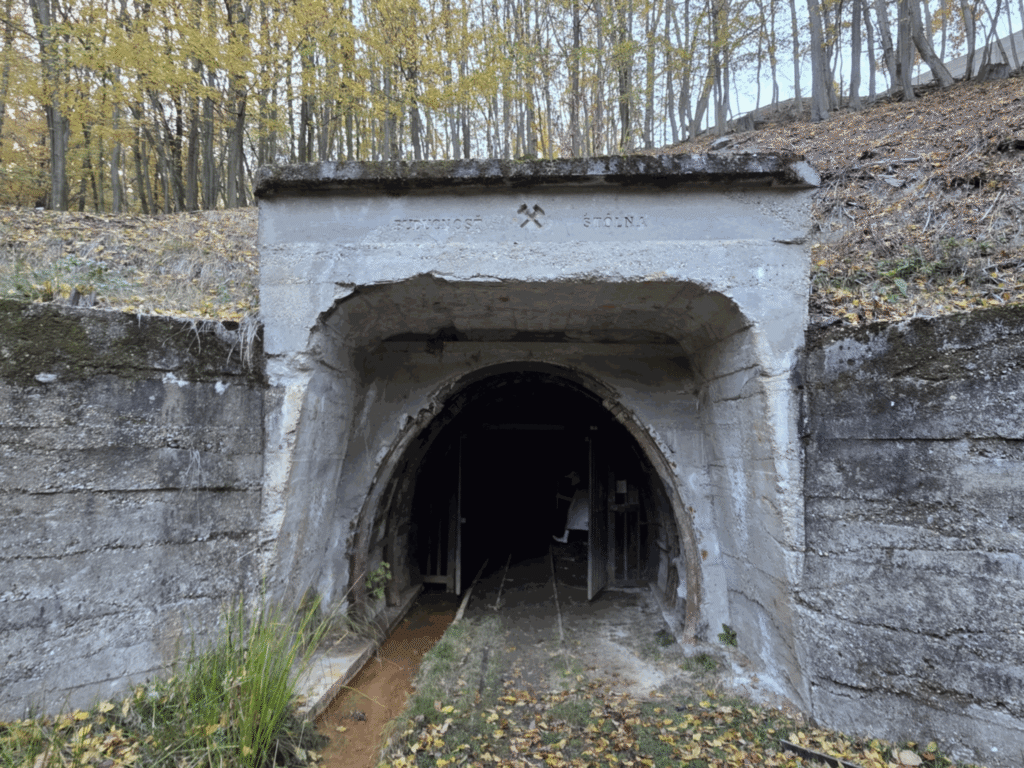
Pezinok’s former mine
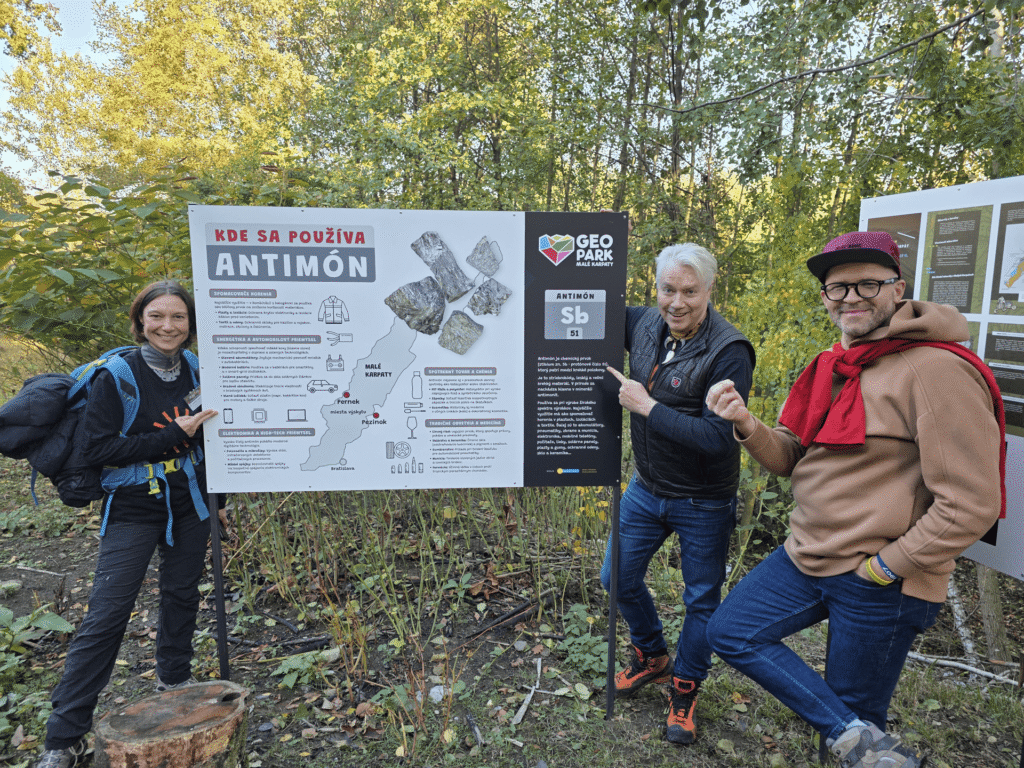
Consortium partners at the site
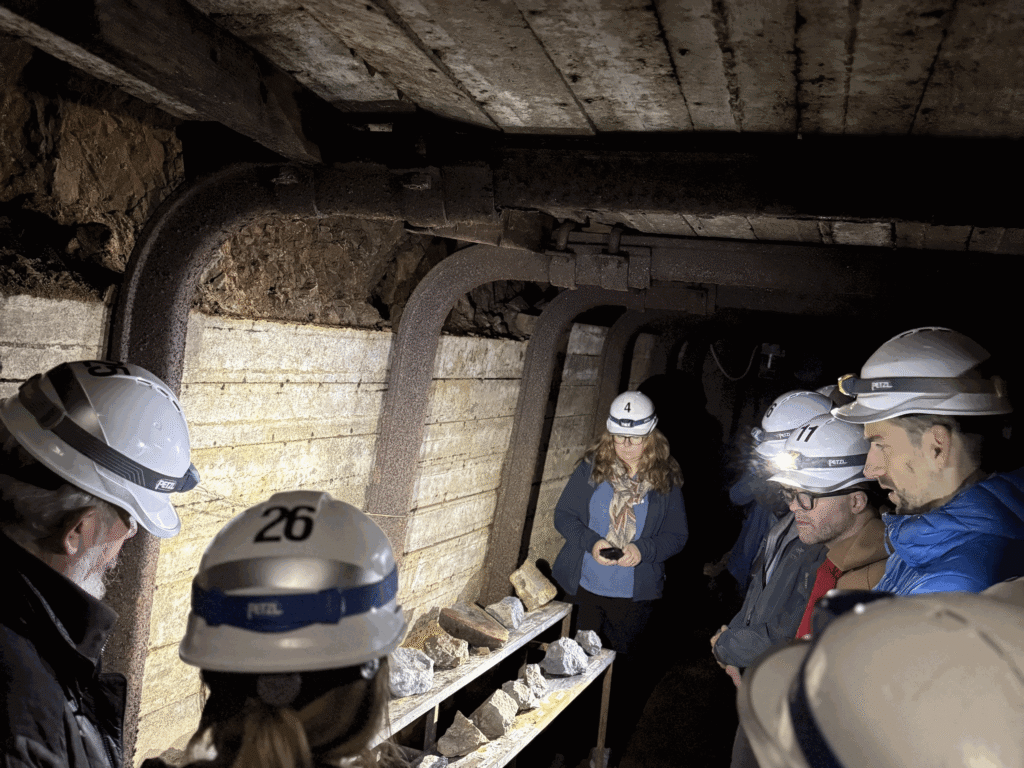
Inside the mine
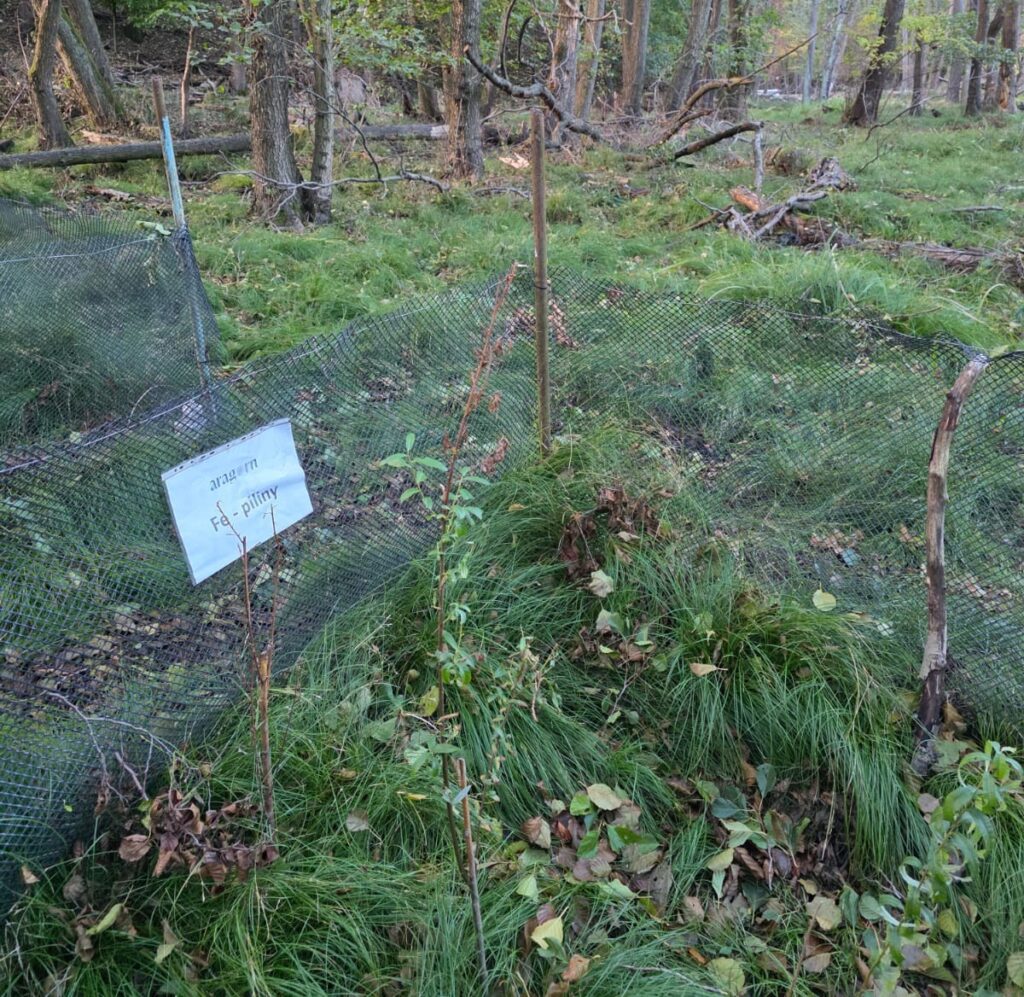
Amended plots
What comes next
The third day hosted the General Assembly and the input from the scientific and ethics advisors. They judged the science sound and urged the consortium to focus on uptake, for example by showing practitioners what ARAGORN adds to existing practice, having the tools reviewed by competent authorities and consultants, and presenting results where practitioners meet.
Alongside the plenary sessions, four side meetings gave smaller groups the chance to go deeper: on analytical strategies and methods, on the final ARAGORN guidelines and decision tree, on data and metadata management, and on ARAGORN’s input to EU guidelines on soil thresholds and monitoring strategies.
Bridging languages, and knowledge
Interpreters took part in the workshop, translating the discussions from English into Slovak and back. Their work was a reminder of the importance of words and language, which act as a bridge not only between different languages but also between different kinds of knowledge, scientific and non-scientific.
In this final part of the project, the consortium shares one overarching goal: to translate science into a language that is clear and accessible to all. The permoník warned miners of the dangers hidden underground. Centuries later, ARAGORN carries the same warning, now backed by data: its last challenge is to make sure it is heard, and understood, by everyone who lives with contaminated soil.
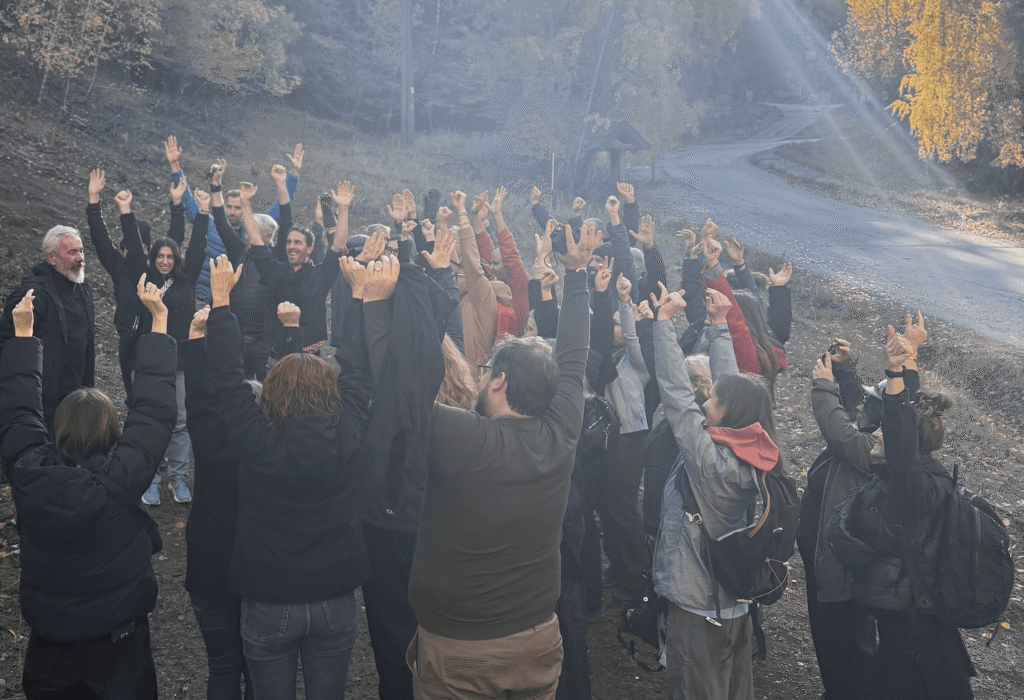
ARAGORN partners


