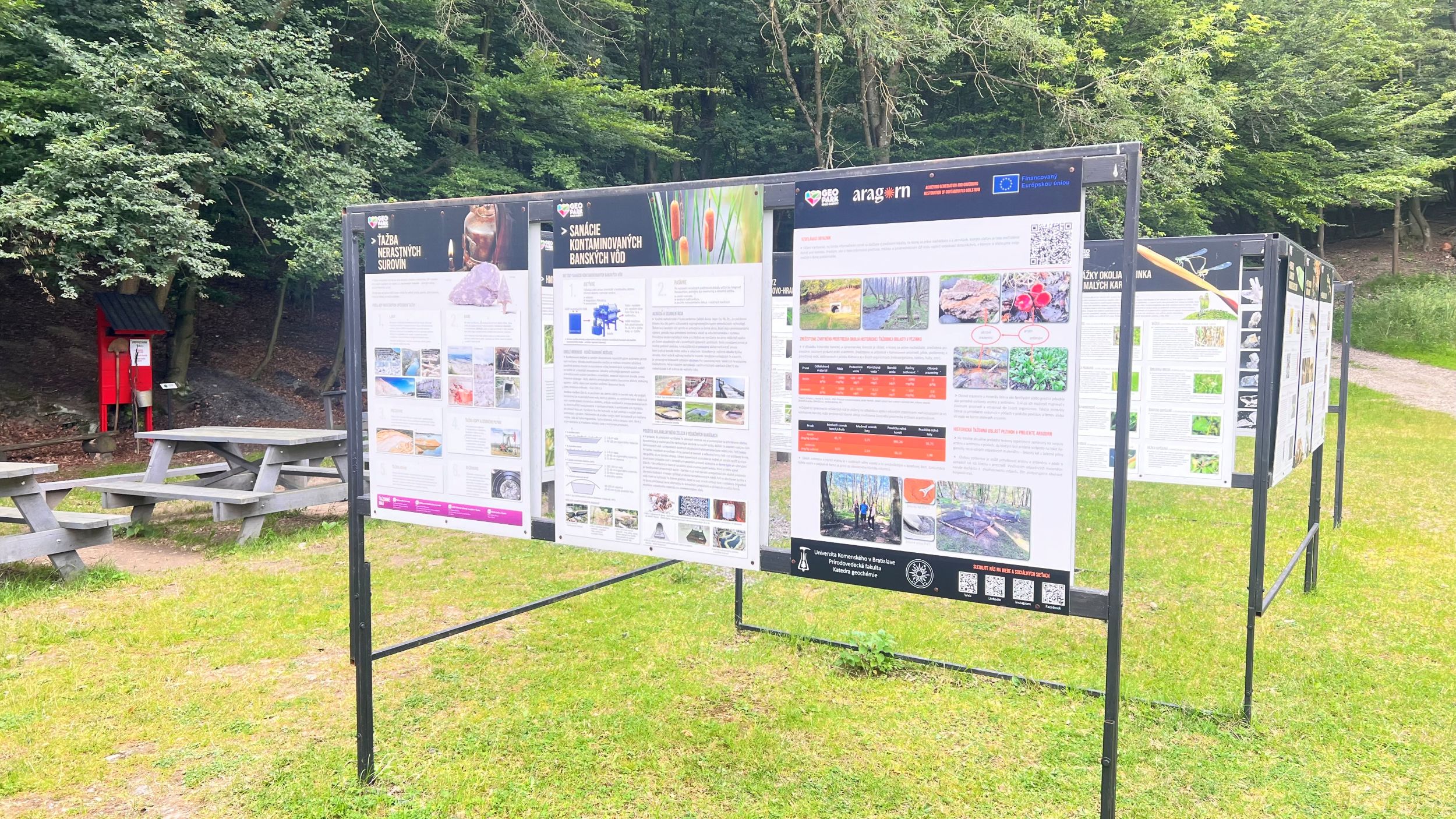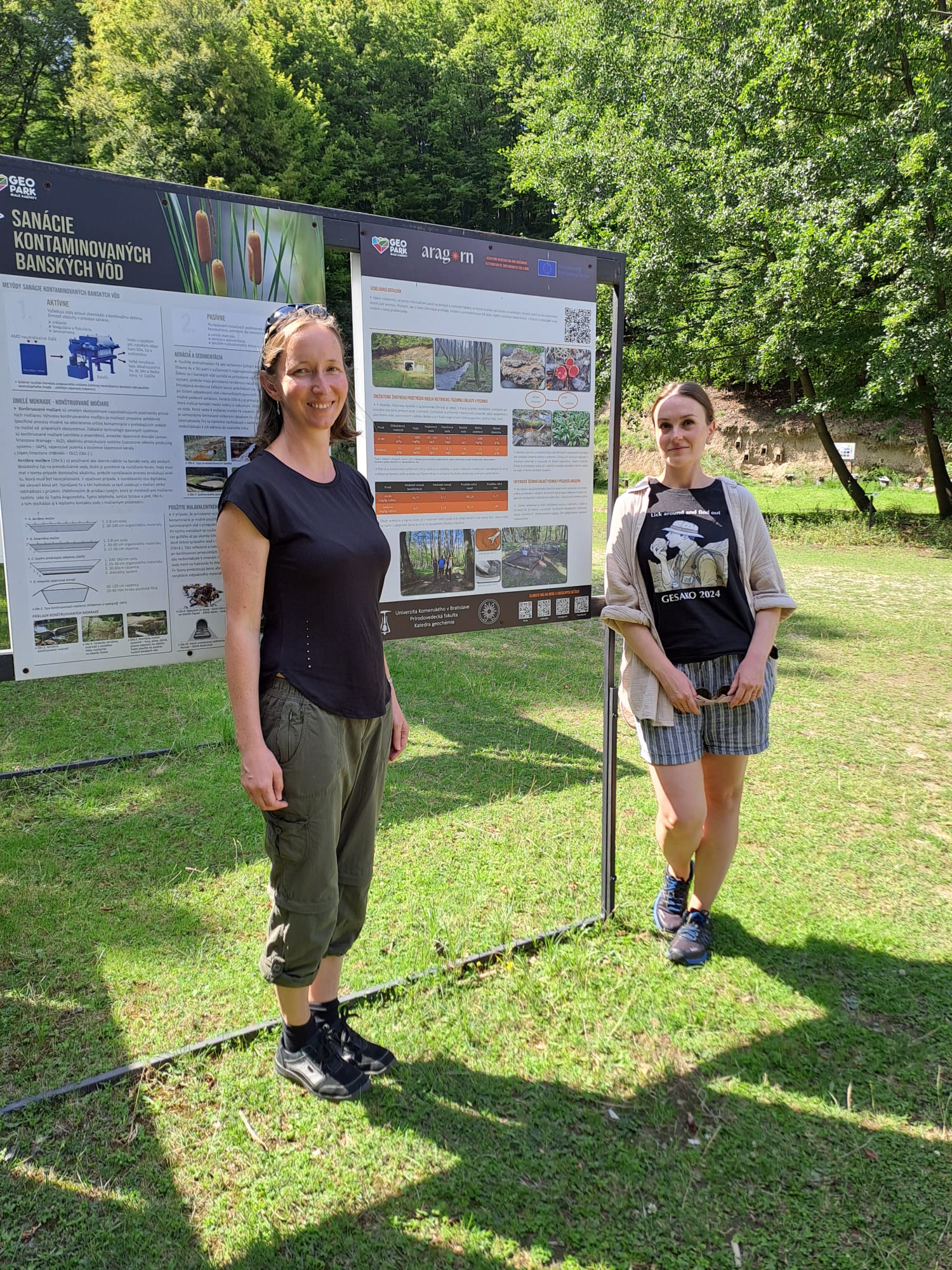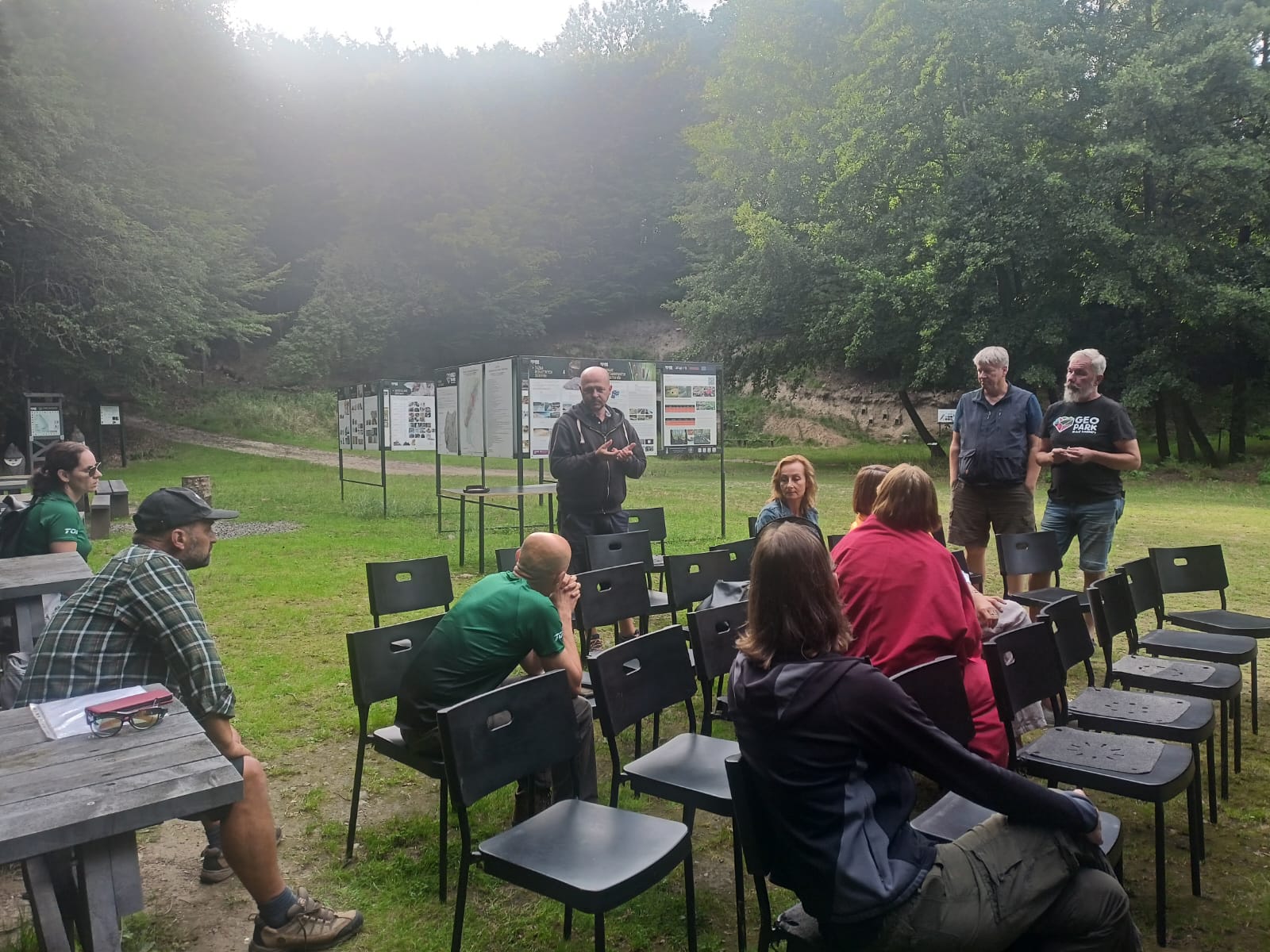
Far from pausing over the summer, ARAGORN pressed ahead, achieving measurable progress in restoring Europe’s polluted soils. On July 30, an engaging public workshop took place at the Pezinok site, where the local geological heritage intersects with pressing environmental challenges.
An information panel has now been permanently installed at the site to inform visitors about the complex history of mining and mineralization in the area and the ARAGORN initiative’s role in soil remediation.
- Presentation by ARAGORN: Project representatives delivered an accessible overview of ARAGORN’s goals—helping land managers across Europe move from “regrettable” to “restorative” remediation through innovative mapping, monitoring tools, and nature-based solutions.
- Local Engagement: The workshop drew key local stakeholders, including the site owner NGO Barbora and the Mayor of Pezinok, underscoring the close cooperation between the project and community leaders.
- Public Awareness: The focus was to gain insights into how ARAGORN’s frameworks align with EU Soil Strategy goals, and how Pezinok fits into the broader European context of soil restoration.
Pezinok site
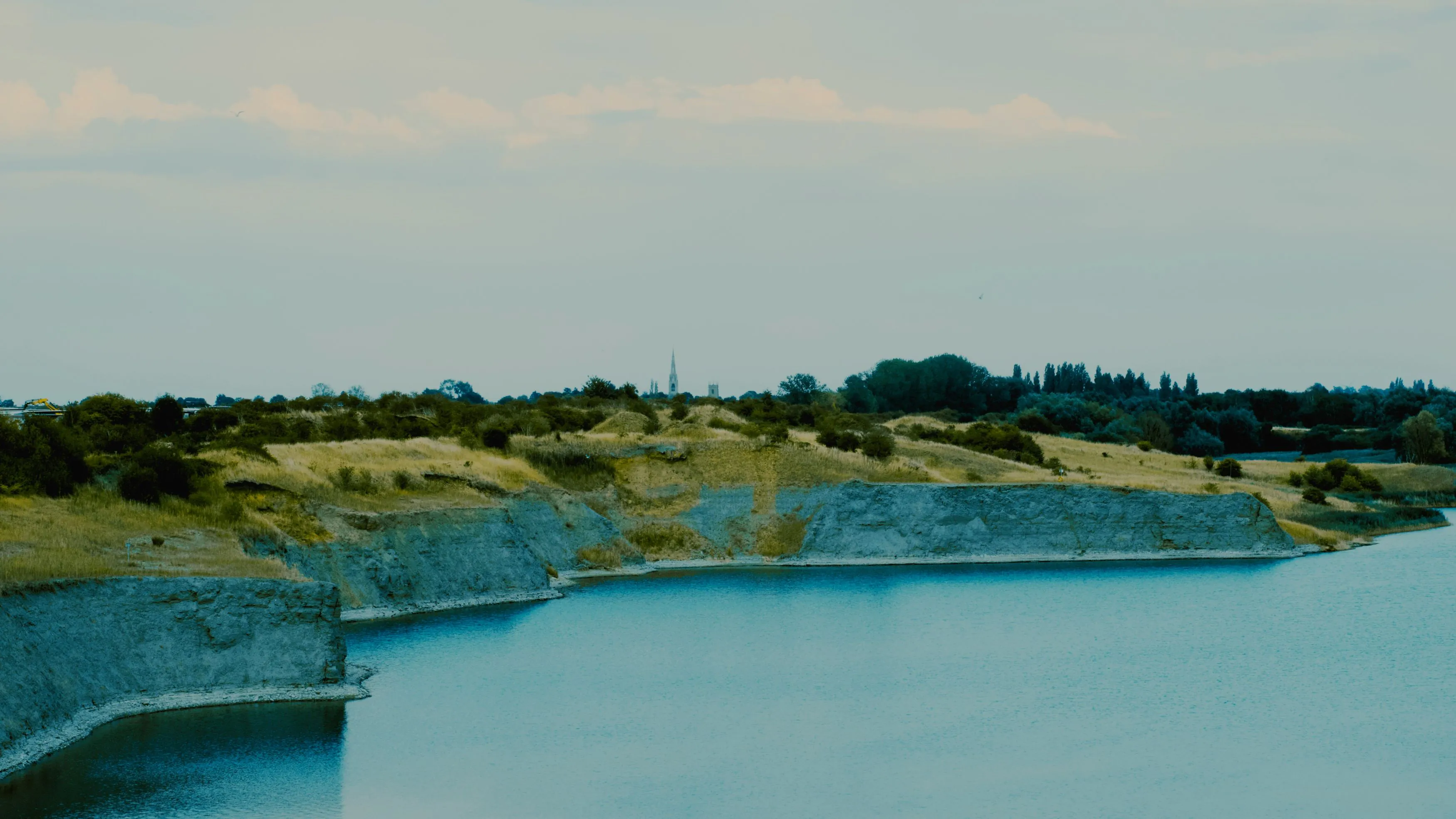
The Pezinok region is a classic example of the Malé Karpaty crystalline complex—composed of metabasalts, metasediments, and granitoids—within the Bratislava and Modra massifs. This area has a long mining history. Its rocks contain a variety of valuable minerals, including antimony, arsenic, gold, and other metals. While these resources were important in the past, mining left behind pollution that still affects the soil and environment today.
Because of this legacy, Pezinok is a key site for the ARAGORN project, which is testing new ways to study and restore land damaged by mining.
- Historical mining legacy: Pezinok is emblematic of mining-impacted landscapes in Europe, where generations of extraction left soils and tailings contaminated with metals like antimony and arsenic.
- Test-bed suitability: Its geological diversity and documented contamination make it an ideal testing ground for ARAGORN’s tools—risk assessment, community-engaged decision-making, nature-based solutions, and remediation planning.
- Community integration: The installation of the information panel and the active involvement of local stakeholders demonstrate ARAGORN’s emphasis on local empowerment and long-term stewardship.
ARAGORN will continue collaboration with local partners to:
- Monitor the Pezinok site with its mapping and decision-support tools.
- Explore and test tailored remediation solutions.
- Extend public outreach and educational initiatives around soil health and restoration.