
Collaborating for cleaner lands: ARAGORN workshop at GEOCHEMIA 2025

News

Experts, institutions, and local stakeholders unite to explore sustainable, non-invasive remediation strategies for Pezinok’s mining legacy.

Date of publication:
Apr 17, 2025

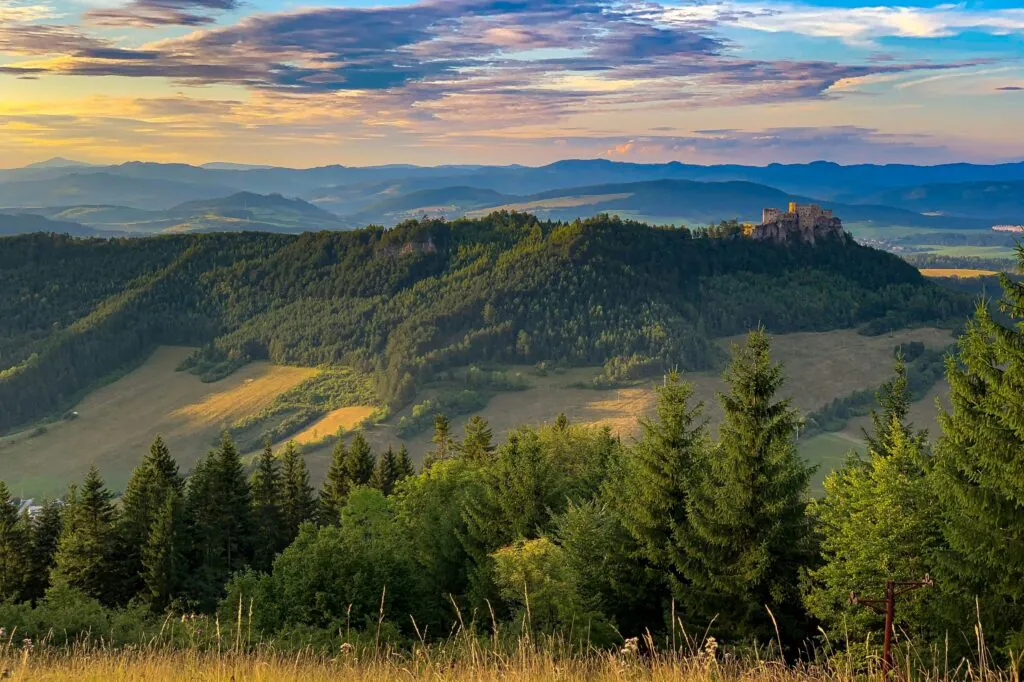
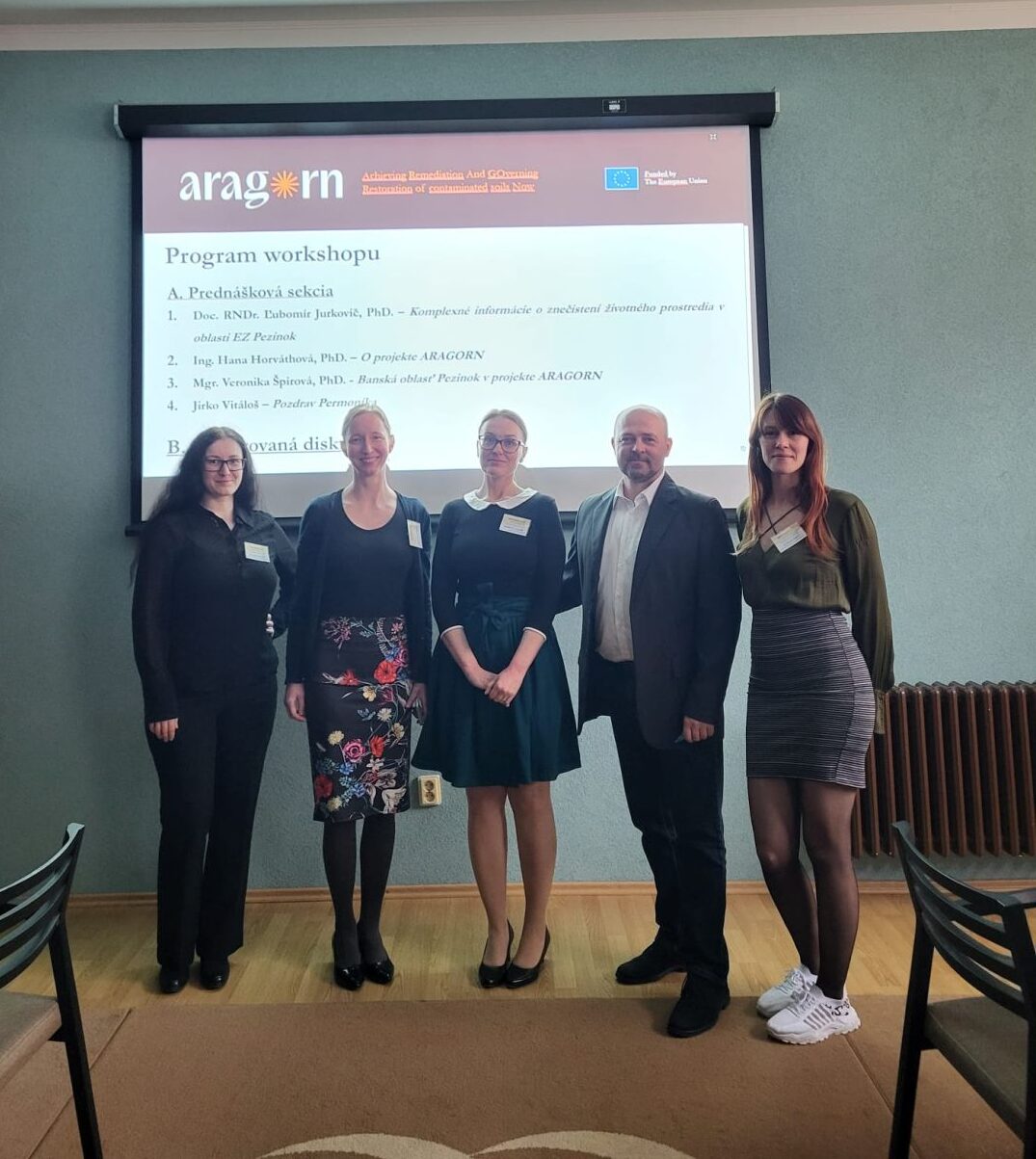
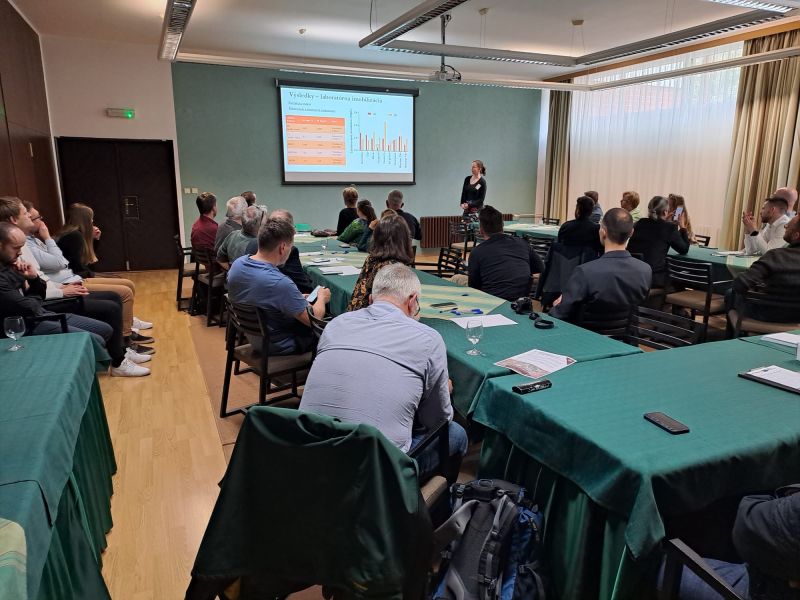
The recent GEOCHÉMIA 2025 conference hosted a dedicated workshop on the ARAGORN project, with a particular focus on the Pezinok site in Slovakia. Known for its historical gold and antimony mining, Pezinok today represents both an environmental challenge and a site of cultural and educational value.

Organized within the framework of ARAGORN, the workshop provided a platform for multidisciplinary dialogue, bringing together researchers, remediation professionals, government ministries, local authorities, NGOs, and regional stakeholders. Discussions centered on the site’s legacy, past remediation plans, and the renewed relevance of the area in light of Europe’s growing interest in critical raw materials and the need for sustainable land use.

Despite earlier plans for passive mine water treatment at the site, remediation was never implemented. With environmental concerns persisting and interest in resource recovery increasing, the workshop highlighted the importance of coordinated, science-based strategies.

Key outcomes included:

  • a shared commitment to non-invasive, circular solutions for legacy sites
  • improved data sharing and awareness among stakeholders
  • strengthened cross-sector collaboration across science, policy, and local communities

The workshop underscored the significance of transparent communication, public engagement, and interdisciplinary cooperation in addressing contaminated sites. ARAGORN continues to play a vital role in supporting evidence-based decision-making and advancing sustainable, climate-smart approaches to land restoration across Europe.
Featured image by Maciek Sulkowski- Unsplash

ARAGORN releases the second issue of the newsletter

Newsletter

Discover the updates of the project in the last few months, and stay updated with the news

Date of publication:
Mar 31, 2025

Welcome back to ARAGORN Newsletter!

We are excited to bring you the latest updates from ARAGORN as we continue our mission to support land managers in reclaiming and restoring polluted soils across Europe. The momentum for securing healthy soils and biodiversity remains strong, but so do the challenges posed by persistent pollution, biodiversity loss, climate change, and economic constraints.

In this issue, we explore the growing urgency of tackling PFAS pollution, a challenge that extends across Europe with significant environmental and economic costs. Our latest findings shed light on how PFAS contamination is being tracked and what it means for land restoration efforts. In parallel, ARAGORN continues to contribute to policy discussions shaping Europe’s Soil Resilience Law, an essential framework for sustainable land management.

As the ARAGORN project continues to make strides in advancing environmental research and policy, our partners in Fast Policy Response Action have been actively contributing to the European Commission’s work on the SMRD trilogue process. Our focus has been on identifying which substances should be monitored, determining the appropriate methods, matrices, and associated costs. A collaborative group formed by many parrners and ZeroPM project have provided valuable input on PFAS and are currently turning our attention to pesticides and metabolites.

In addition to our policy engagement, ARAGORN was featured in multiple conferences where partners presented notable insights related to scientific advancements in soil contamination.

-Danish ATV Foundation : a presentation given by ARAGORN’s partners was focused on eDNA analysis to detect the improved soil health of remediated soils;

–Norwegian Environmental Chemistry Symposium/NECS: ARGAORN’s partners showcased inputs related to soil remediation and the destruction of persistent contaminants, the use of biochar/pyrolysis and  the risk governance of chemicals.

–UBA PFAS in soil conference in Berlin: saw the participation of many ARAGORN partners.

As always, ARAGORN remains committed to working closely with communities, policymakers, and land managers to develop tools and strategies that support long-term, science-based decision-making.

Stay tuned for more updates as ARAGORN continues to make significant contributions to environmental policy and research, and thank you for joining us on this journey!

Read the whole newsletter here and subscribe here for receiving the next issue.

Featured image by Evie S-Unsplash


ARAGORN at the 2025 Environmental Geochemistry Conference: contamination in mining sites

Events

A dedicated workshop will showcase ARAGORN’s innovative approaches to remediation at the historically impacted Pezinok site

Details:
Mar 25, 2025

The upcoming GEOCHEMIA 2025 (Annual Scientific Conference on Environmental Geochemistry)  will bring together leading researchers, educators, remediation companies, and government institutions dedicated to advancing the study, protection, and remediation of environmental systems.

Organized by the State Geological Institute of Dionýz Štúr, the Slovak Association of Geochemists, and Comenius University in Bratislava, this important event will feature key sessions focused on multiple topics: geochemistry in geological research, new trends in biogeochemistry and biomineralogy, endogenous geochemistry and petrology and environmental exogenous geochemistry.

A special highlight of the program is a dedicated ARAGORN session, including a project workshop focused on fostering collaboration among stakeholders at the famous Pezinok site – a historically contaminated mining area. As part of ARAGORN’s mission to support land restoration, this workshop will showcase innovative metalloid immobilization techniques being tested on-site, offering insights into sustainable remediation solutions.

The conference will also provide a platform for young researchers, who will have the opportunity to compete for the best lecture and poster presentation.

The event is scheduled from April 7-9, 2025, in Častá-Papierničk  – more information will follow.

Featured image by Adam Gavlak – Unsplash

Tracking PFAS across Europe: how much does pollution cost?

News

Revealing the scale, cost, and challenges of tackling “forever chemicals” across the continent, through different soil-focused projects

Date of publication:
Feb 5, 2025

The Forever Pollution Project, established in 2023, is an innovative cross-border collaboration among journalists and experts dedicated to mapping and analyzing PFAS contamination across Europe.

The project uncovered the presence of PFAS, known as “forever chemicals,” at nearly 23,000 locations across Europe, and also identified 21,500 additional sites likely affected by contamination due to past or ongoing industrial operations. This efforts resulted in the Map of Forever Pollution, a critical geographical tool illustrating the widespread presence of these persistent pollutants.

Building on this work, the Forever Lobbying Project started investigating the influence of chemical and plastic industry lobbying efforts aimed at preventing the EU ban on PFAS.  The interdisciplinary group of experts include Hans Peter Arp from NGI, a relevant partner of ARAGORN project, who has been leading several projects related to PFAS contamination and remediation.

Hans Peter Arp embarked in the challenge of establishing a methodology for evaluating the costs of PFAS decontamination and in a recent article, he states that “The high range of costs of the remediation were not surprising. It was interesting to see how they scaled up per country and per Europe, and to develop the methodology for these cost calculations” and also “The sooner we tackle PFAS remediation and a decrease of PFAS emissions, the cheaper and more impactful remediation actions will be on health costs”.

Other Eu-funded projects share similar research interests with this initiative, particularly in understanding persistent contaminants and the resilience of contaminated lands. ARAGORN develops sustainable and affordable remdiation options for accelerating the pathway towards zero pollution, and ZeroPM looks for alternatives to use instead of PFAS in different sectors.

The findings of both projects highlight the widespread distribution of PFAS pollution throughout the continent. Besides,the project focus on examining the narratives used to oppose regulation and highlighting the broader societal and economic implications of ongoing contamination. It estimates that the cost of PFAS decontamination in Europe could exceed €100 billion annually, reaching €2 trillion over two decades if no measures are taken to curb emissions.

Read more about the impact of the Forever Pollution Project, and about the data and methodologies behind the research.

Also, read the full NGI’s article here. 

Featured image by Christine Roy- Unsplash

ARAGORN Management Board meets in Copenhagen: paving the way for 2025

News

A day of strategic planning and collaboration focuses on advancing soil monitoring for 2025

Date of publication:
Jan 14, 2025

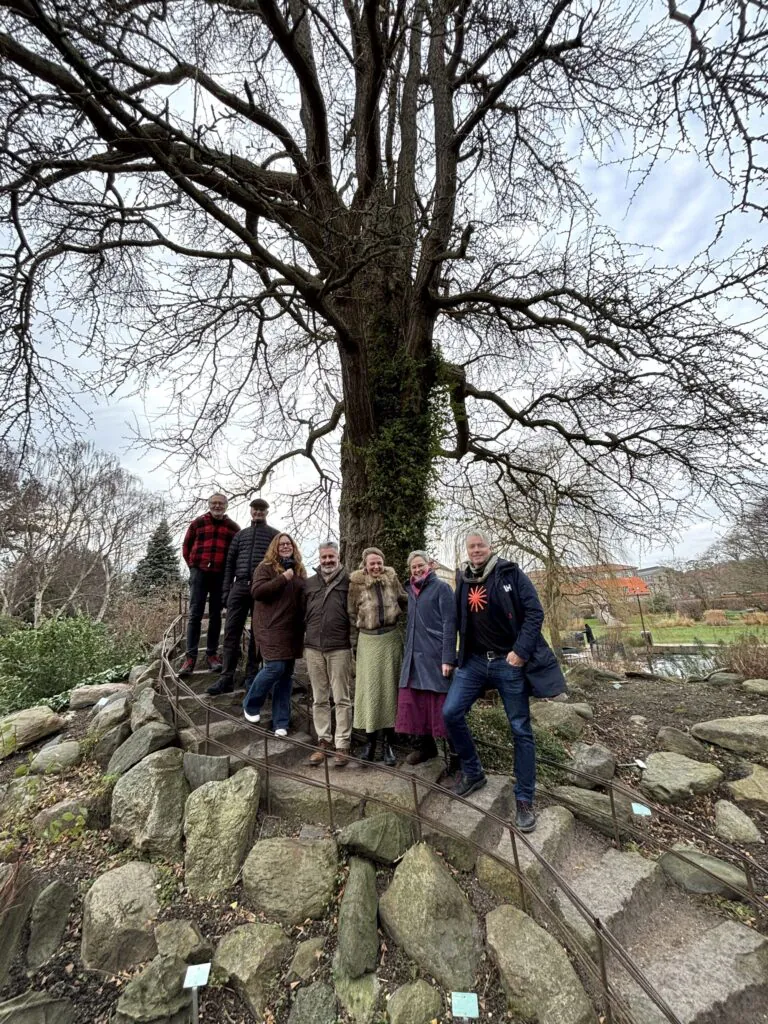
The ARAGORN project’s Management Board convened in Copenhagen for an intensive full-day session focused on advancing the project’s milestones. The gathering brought together many ARAGORN’s experts for a series of dynamic exchanges, presentations, and collaborative planning activities. The meeting set the stage for ARAGORN’s 2025 objectives, particularly in addressing soil resilience, monitoring, and the socioeconomic impact of remediation strategies.

Key highlights of the meeting included:

  • the advancing the Soil Monitoring and Resilience Directive: the directive represents a cornerstone of ARAGORN’s mission, and it aims to establish robust frameworks for assessing soil health and resilience across diverse ecosystems.
  • the structuring of ARAGORN’s guidelines: the guidelines are designed to provide actionable strategies for improving soil resilience, effective remediation techniques, and understanding the socioeconomic implications of soil recovery measures. The guidelines will be developed throughout ARAGORN’s life, ensuring they align with practical needs and policy priorities.
  • the socio-economic impact framework: the importance of integrating economic and community-focused considerations into resilience strategies is crucial for ensuring that remediation efforts are sustainable and beneficial to local populations.

Looking ahead, ARAGORN’s roadmap for 2025 will focus on the finalization and dissemination of its key outputs, especially the finalizations of contributions to the Soil Monitoring and Resilience Directive and the work on the Guidelines, with detailed sections on sampling, resilience, remediation. Besides, scaling up collaboration with stakeholders to ensure the practical application of project findings is crucial at this stage of the project.

For more updates on ARAGORN’s activities and milestones, stay tuned to our website.

Dig in: simple ways to save soil at home with ARAGORN

News

ARAGORN discovers easy ways to participate in the Soil Mission and protect the soil from your home

Date of publication:
Jan 7, 2025

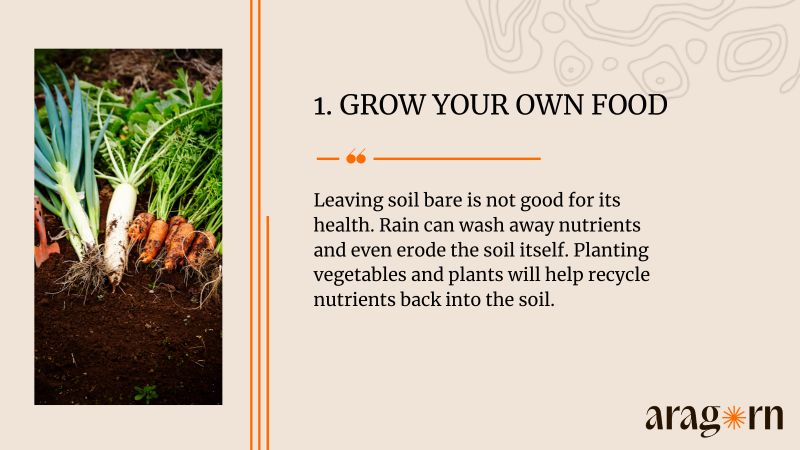
In celebration of World Soil Day (December 5th) ARAGORN has created a social media campaign titled #SaveSoilAtHome, that emphasized the vital role that soil plays in sustaining life. The campaign wanted to inspire simple actions that everyone can take from the comfort of their homes to protect soil, and therefore, nature.

The campaign highlighted the close relationship between people and soil, focusing on practical, everyday ways to contribute to soil conservation. By sharing tips and insights, we hope to empower individuals to make a meaningful impact in their own gardens, homes, and communities.

Here are some key actions to save soil at home:
1. Grow Your Own Food: Planting vegetables and plants recycles nutrients back into the soil.


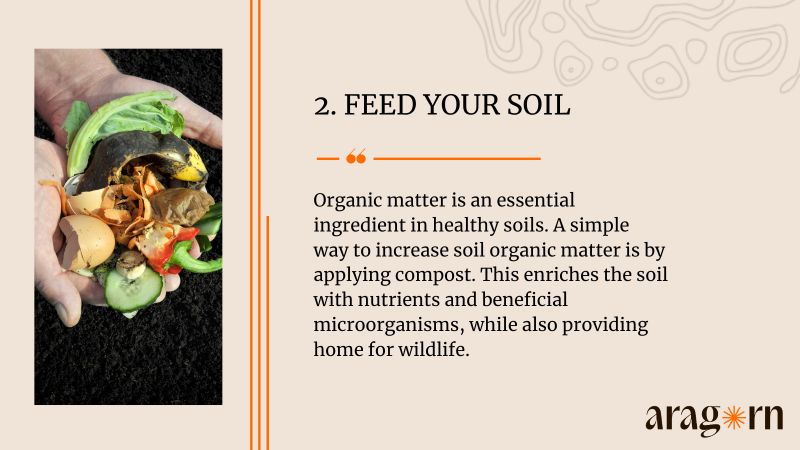
2. Feed your soil: Boost your soil with nutrients and beneficial microorganisms by applying compost.


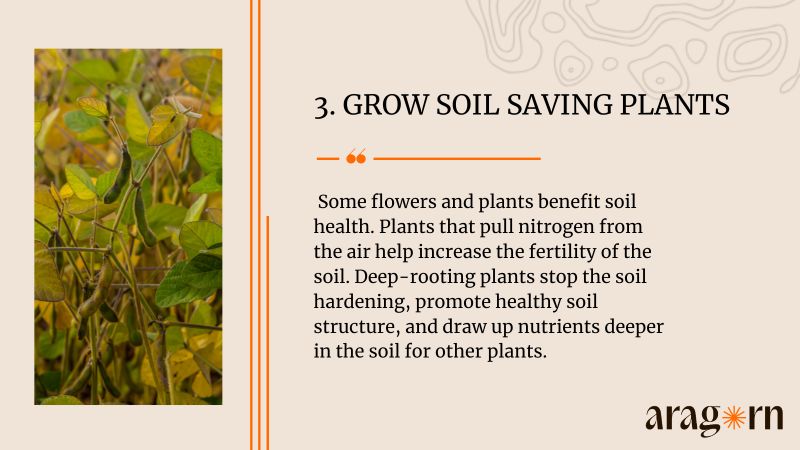
3. Grow soil-saving plants: Grow plants that enhance soil quality to naturally nurture your garden.


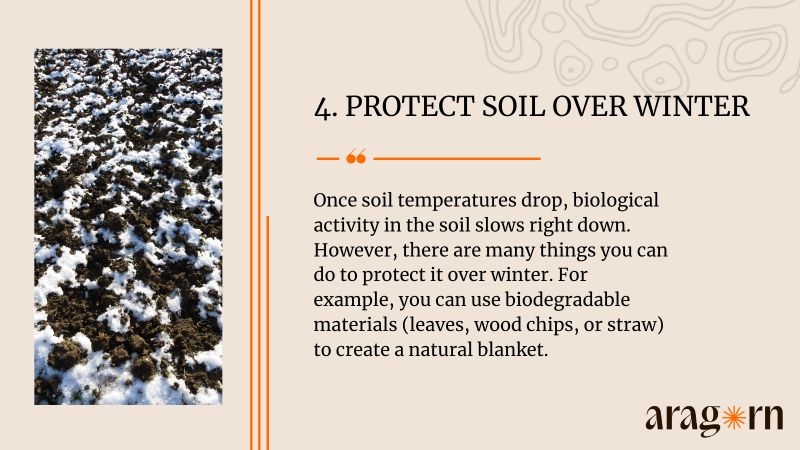
4. Protect soil over winter: Create a natural protective layer for your soil using leaves, wood chips, or straw.


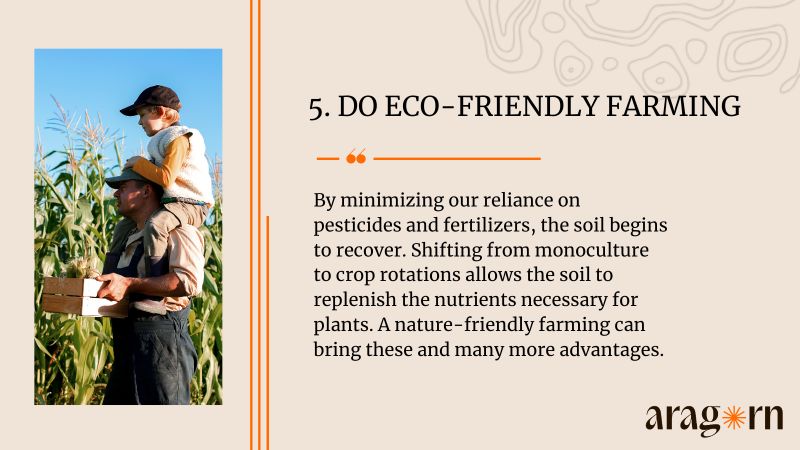
5. Do eco-friendly farming: Avoid pesticides and fertilizers, opting for eco-friendly gardening practices instead.

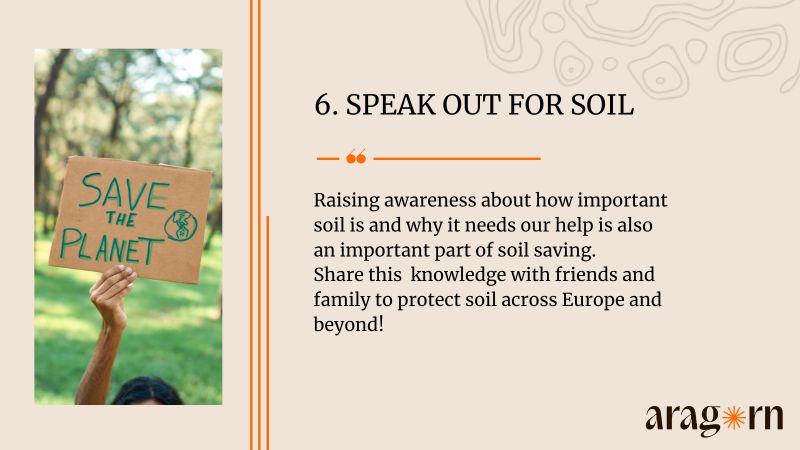
6. Speak out for soil: Share knowledge with friends and family about the importance of soil conservation.

You can find all of these posts with tips and ideas about how to be part of our Soil Mission in ARAGORN’s social media: LinkedIn and Facebook.

Learn more about how small gardening practices can make a big difference for soil health!

Featured image by Daniel Oberg- Unsplash

A Soil Mission: ARAGORN project drives progress on Europe’s Soil Resilience Law

News

Pivotal discussions at Soil Monitoring Meetings highlight ARAGORN’s role in shaping a sustainable future for Europe’s soils and ecosystems

Date of publication:
Dec 3, 2024

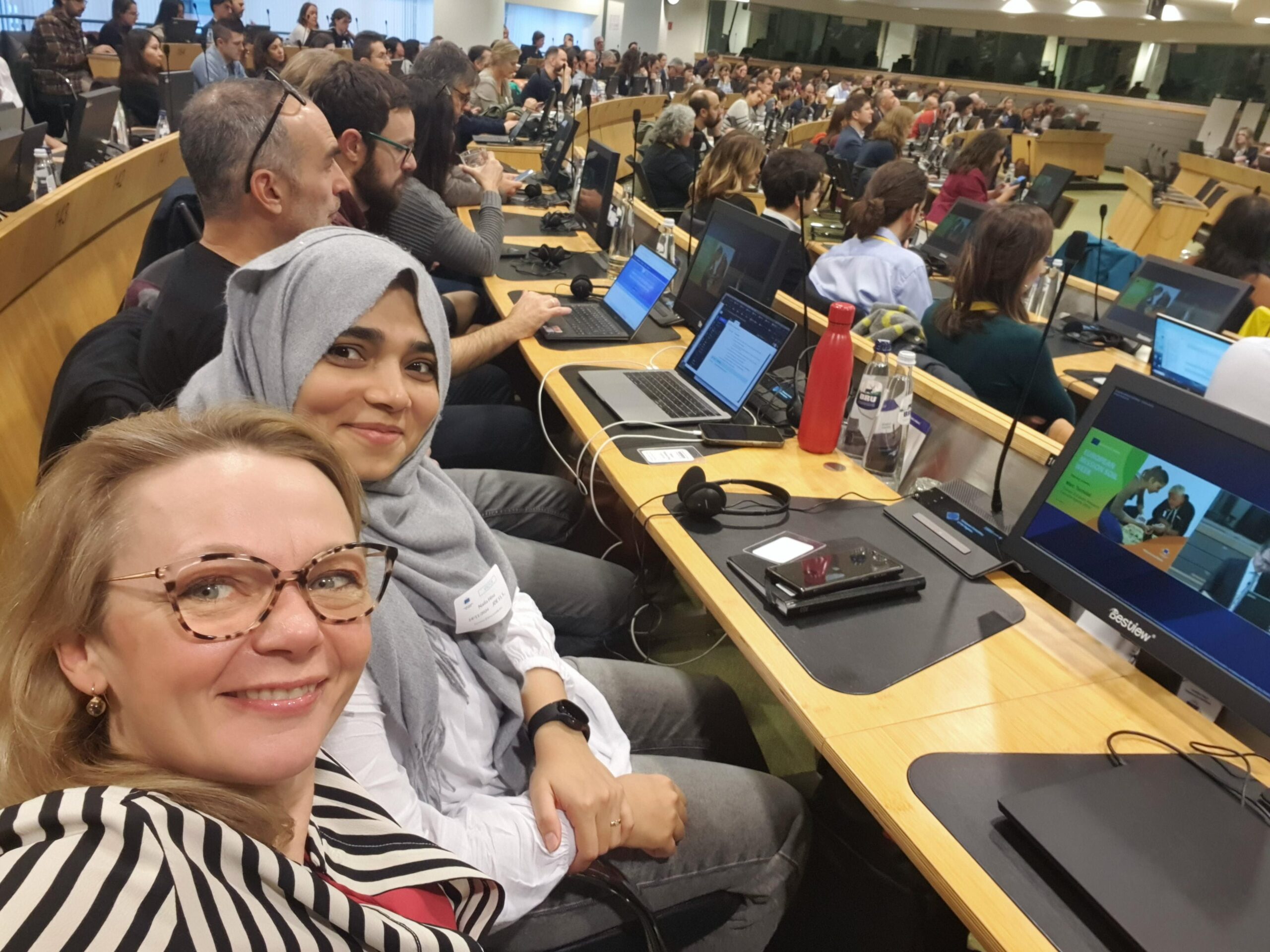
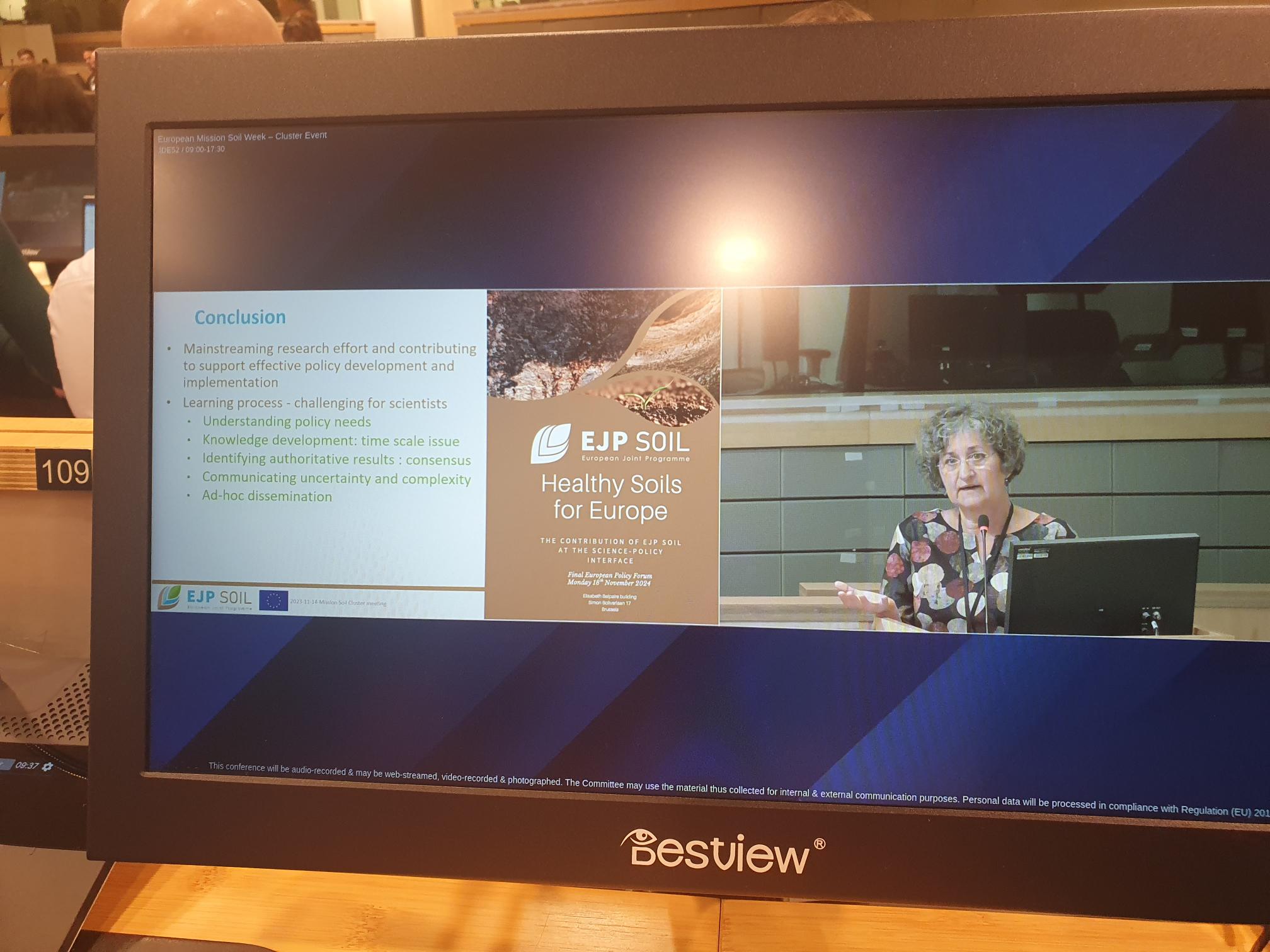
ARAGORN was an active participant of the recent Soil Monitoring meeting that was held in Brussels on 12th-14th of November, as part of the European Mission Soil Week 2024.

The meeting proved highly productive for the ARAGORN project, which made significant strides in advancing discussions and forming strategic partnerships with key European entities, including DG Joint Research Centre (DG JRC) and DG Environment (DG ENV). The meetings gathered representatives from other crucial soil health projects, such as SoilWise, ISLANDR, AI4SOIL, EJP Soil, and BENCHMARKS, all working towards shared goals. ARAGORN’s active engagement and contributions were well-received, with the project playing a key role in moving forward strategic discussions on the forthcoming Soil Resilience Law (formerly known as the Soil Monitoring and Resilience Directive), now under negotiation among the European Commission, European Parliament, and Council.

The atmosphere was charged with optimism as project stakeholders addressed complex challenges that remain on the path to finalizing this essential directive, designed to ensure Europe’s soil health, food security, and resilience to climate impacts. The ARAGORN team engaged in in-depth discussions on critical topics such as chemicals management, ecosystem impacts, protection goals, data management, and soil monitoring strategies. The input provided by ARAGORN was acknowledged as essential to the policy development process, especially in identifying effective ways to maintain resilient soils that are crucial for Europe’s food production and clean water security. Key sessions, including a panel on monitoring and multiple cluster meetings on monitoring, indicators, data platforms, and co-creation, featured substantial ARAGORN contributions, helping to shape priorities and foster cross-project collaboration.

The multiple discussions and panels held led to some important bullet points to be further investigated and developed:

  • Soil monitoring must be fit for purpose, balancing scope, cost, and detail to guide decision-making, with ongoing discussions helping refine strategies across projects and Member States.
  •  A WatchList for priority chemicals at EU, national, and local levels will track contaminants and inform regulatory updates, supporting cleaner soil and better pollution control.
  • Data platforms, like the EU Common Data Platform, are essential for storing and accessing monitoring data beyond project completion, ensuring continuity and long-term soil resilience.
  • Nature-based solutions like phytoremediation and biochar offer climate-adaptive remediation options, reducing chemical bioavailability and capturing pollutants like metals and PFAS.

Ensuring resilient soils and mitigating soil pollution were identified as central goals, with ARAGORN emphasizing the importance of preventing further ecosystem stress and finding minimally invasive soil remediation solutions for already polluted areas. In addition, the meetings underscored the importance of co-creation to develop a robust and implementable law with strong stakeholder buy-in, a principle that ARAGORN championed throughout its contributions.

Featured image by Gabriel Jimenez- Unsplash

ARAGORN launches its first newsletter

Newsletter

Read here for a full immersion in the project's goals and challenges

Date of publication:
Sep 11, 2024

It is a great pleasure to welcome you to the first ARAGORN newsletter! At this time in Europe, momentum towards securing healthy soils and biodiversity is high!

In ARAGORN we want to enable land-managers to reclaim land lost to pollution, by developing tools and processes to support the remediation and restoration of lands contaminated by groups of persistent chemicals (metals, petroleum/coal, PFAS, and organochlorine/bromine compounds (OCBs)). In doing so, we are faced with the high complexity of soils, across geological and time scales. Locally, there are always unique challenges relating to where contaminated soil connects with the terrestrial ecosystems, ground and surface water, and the human activities of food production, housing and industrial production.

Adding to this complexity, we must be aware that not only pollution, but also resource depletion, biodiversity losses, climate change – and wars – threaten terrestrial ecosystems. Another aspect of the complexity comes from soil typically being a privately owned, and the management of it influenced by local traditions and restrained by finite economic resources. Any land management will therefore need to take these aspects of local stakeholders into account, if it is to work in practice.

In ARAGORN, we aim to facilitate land-manager decision making, by designing fit-for-purpose, scientific tools and processes that integrate the multidimensionality of environmental and human risks, socio-economics and environmental resilience. Of course, tools by themselves will not be sufficient without developing processes that are critical for identifying decisions that last. This is why we in ARAGORN have a strong focus on working with communities and various stakeholders in co-creation processes, at our sites across Europe.

Continue reading and exploring the newsletter here!

Featured image by Evie S.- via Unsplash

ARAGORN in RemTech Europe 2024: a premier conference on land and water remediation

Events

ARAGORN is set to participate in the international conference with a spotlight on soil pollution and remediation data

Details:
Sep 2, 2024

ARAGORN is ready announce its participation in RemTech Europe 2024, the International Conference and Exhibition on Land and Water Remediation Markets and Technologies. The event is scheduled for September 16-20, 2024, and promises to be a significant gathering for experts and stakeholders in the field.

Event Details:

– September 16-17: The first two days will be fully digital, with sessions broadcasted online for a global audience.
– September 18-20: The remaining three days will feature a hybrid format, allowing both in-person attendance (in Ferrara, Italy) and online participation.

About RemTech Europe 2024:

The conference aims to foster the exchange of knowledge, innovation, and real-world case studies, promoting the advancement of remediation processes and the adoption of new, sustainable technologies. It provides a unique platform for dialogue among experts, problem owners, and service and technology providers, facilitating collaboration and the sharing of best practices.

With a comprehensive agenda, RemTech Europe 2024 is designed to enhance communication between all relevant parties, including leading European stakeholders and participants from around the globe. The conference, conducted entirely in English, offers a snapshot of the current European market and emerging trends in land and water remediation.

Why Attend?

RemTech Europe 2024 is committed to spreading know-how and technologies worldwide. The event is promoted by RemTech Expo (Italy), and is supported by the European Commission’s Joint Research Centre (JRC), which is part of the scientific committee.

ARAGORN’s partner ETHZ will present their work in the project at the opening session on Sept 16 09:00 – 13:00 “Soil Pollution: policies and data – JRC EC”, with a  talk entitled ““Soil Pollution and Remediation Data, as treated by Aragorn”.

For online participation, free registration links are available here; for attending in presence tickets can be found here.

Join ARAGORN at RemTech Europe 2024 as we contribute to this vital conversation on environmental remediation and explore cutting-edge solutions that can shape the future of our planet.

Picture by Edoardo Cuoghi- Unsplash

Paving the way for global soil health: join ARAGORN’s workshop on Soil Pollution Threshold Value

Events

Explore the path to a global soil database and collaborative strategies for a cleaner, healthier planet

Details:
Aug 29, 2024

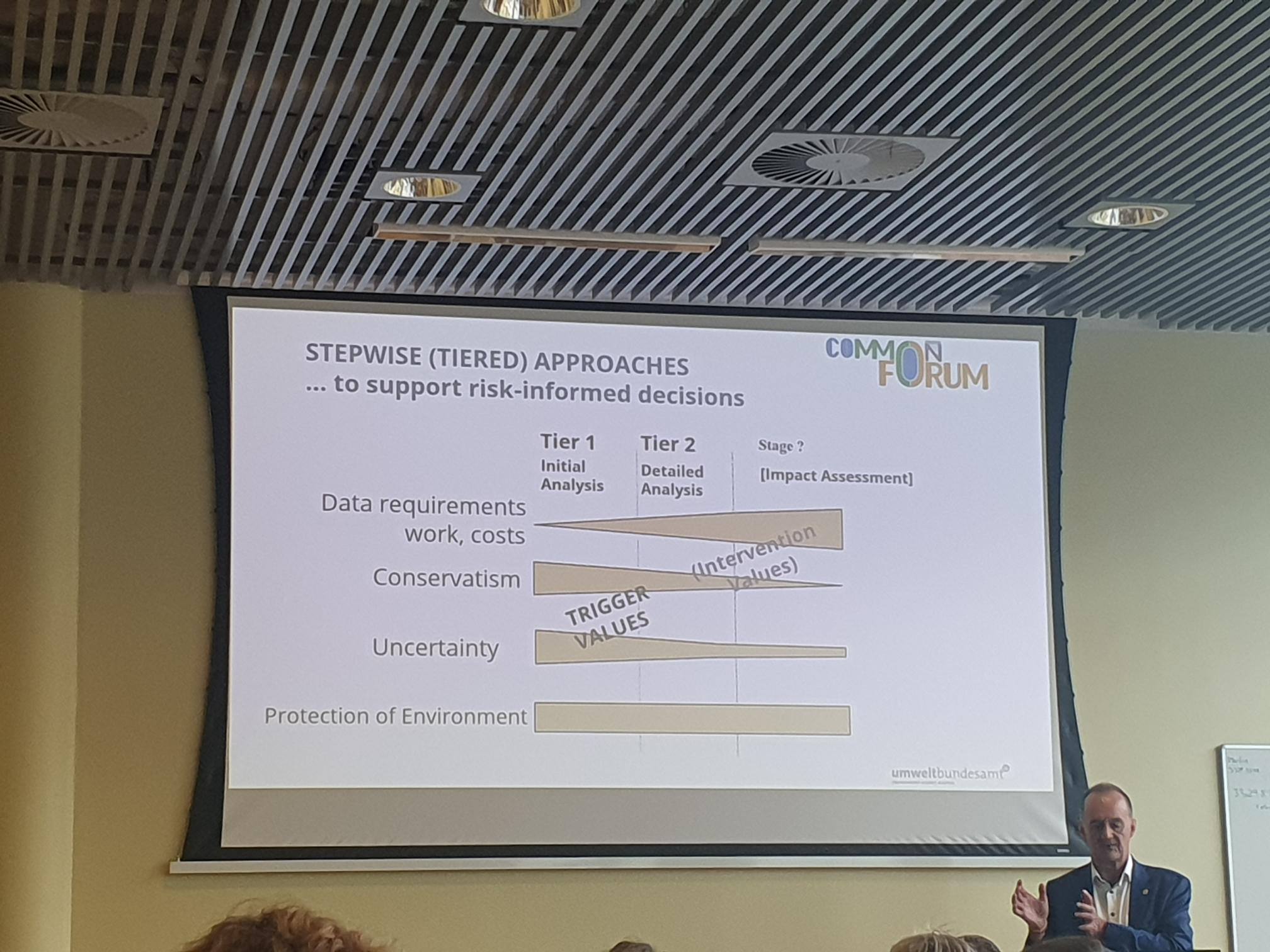
Our project ARAGORN will participate in a workshop on soil pollution, organized in collaboration with the International Network on Soil Pollution (INSOP) and the Common Forum on Contaminated Land in Europe.

The workshop will be held online, on October 3rd, from 12:00 to 14:00 CEST, and it  will focus on the critical topic of Soil Pollution Threshold Values, aiming to foster international collaboration in developing global standards for soil health.

Crafting a Global Approach to Soil Pollution:

Soil pollution is a growing concern worldwide, and establishing standardized threshold values is essential for preventing further degradation. This workshop will delve into the methodologies required for creating a comprehensive global database of soil threshold values and will initiate the development of a “Global Soil Pollution Threshold Values Technical Report” under the Global Soil Partnership.

Key Objectives and Discussions:

– Present the threshold values collected by INSOP and the ARAGORN Horizon project.
– Introduce the ongoing work by the ARAGORN Horizon project in compiling soil threshold values.
– Overview European concepts for establishing soil threshold values presented by the COMMON FORUM.
– Explore methodologies for deriving soil threshold values from other regions, including Asia, Australia, and North America.
– Develop a roadmap for building the global database and formulating the Global Soil Pollution Threshold Values Technical Report.

Expected Outcomes:

This workshop marks the first step towards creating a global database of soil pollution threshold values, a crucial tool for policymakers, government agencies, and the private sector. The insights gained from this event will drive the development of the Global Soil Pollution Threshold Values Technical Report, which will be instrumental in shaping future policies and technical measures to prevent soil pollution.

By bringing together experts from around the world, this workshop will serve as a platform for knowledge-sharing and collaborative planning, setting clear timelines and defining the next steps towards a healthier planet.

Join us on October 3rd to be part of the discussion and contribute to the future of global soil health.

Register here and find the details and the agenda here.

Picture by Seyia Maeda- Unsplash