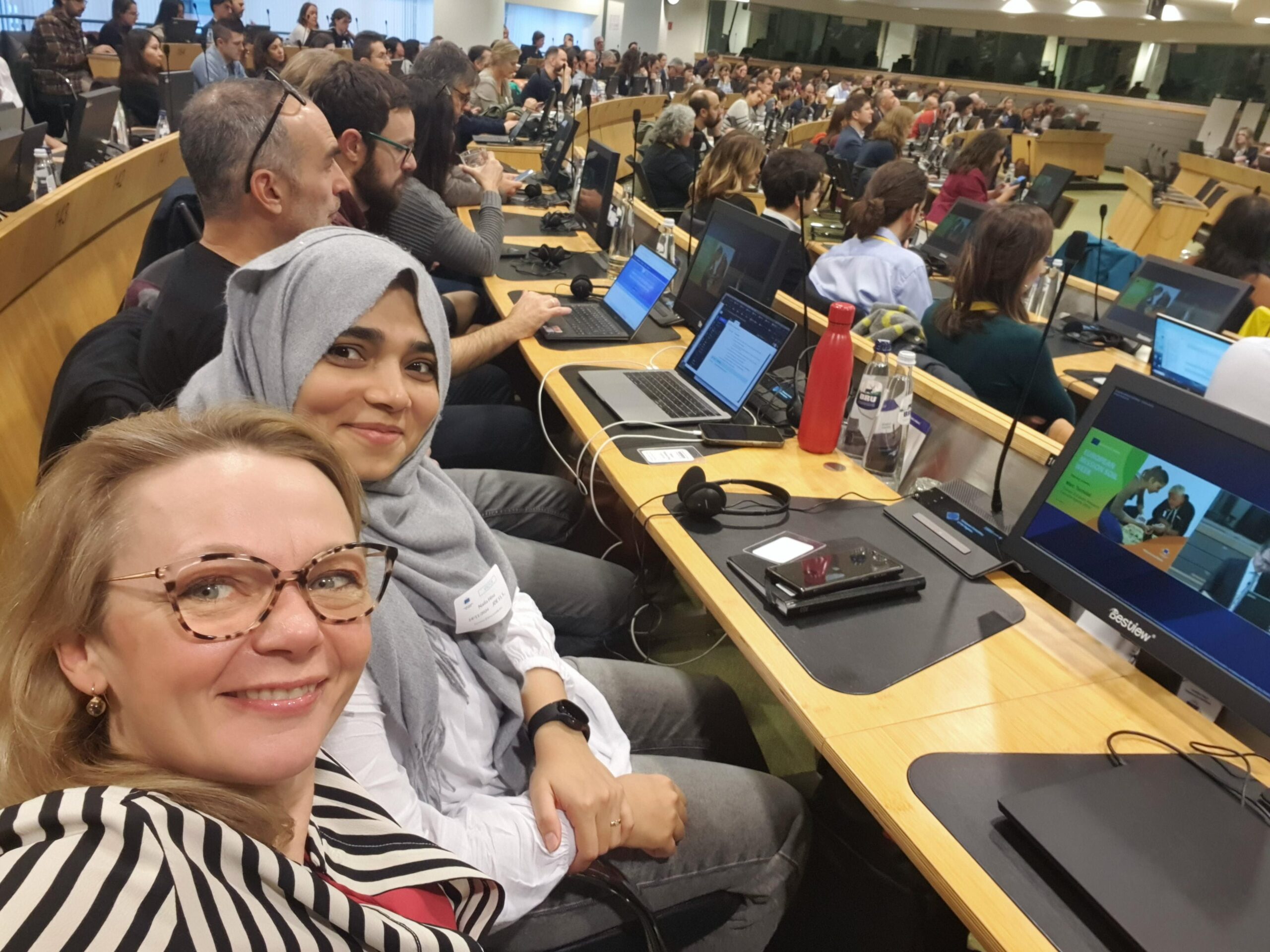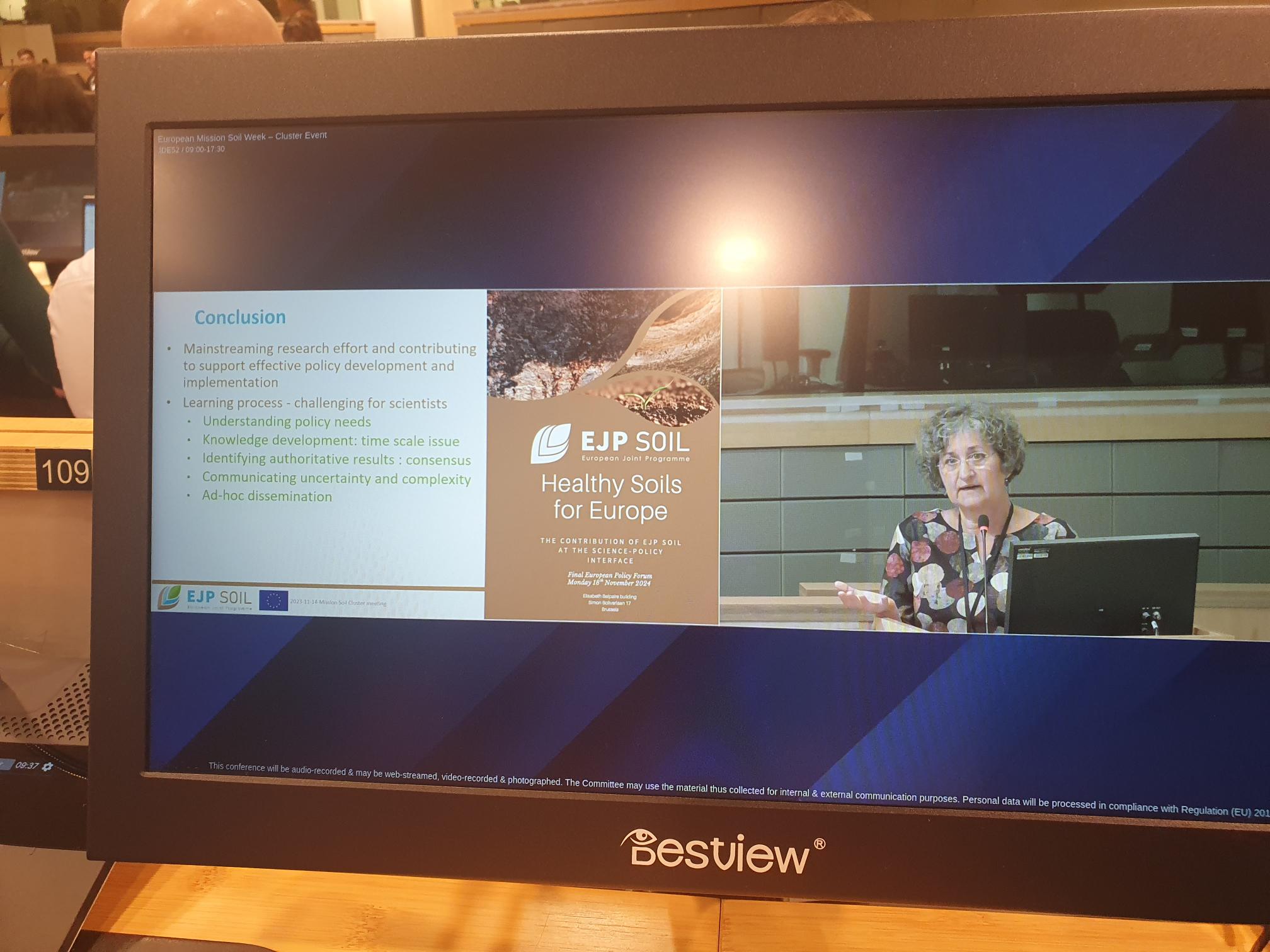
ARAGORN was an active participant of the recent Soil Monitoring meeting that was held in Brussels on 12th-14th of November, as part of the European Mission Soil Week 2024.
The meeting proved highly productive for the ARAGORN project, which made significant strides in advancing discussions and forming strategic partnerships with key European entities, including DG Joint Research Centre (DG JRC) and DG Environment (DG ENV). The meetings gathered representatives from other crucial soil health projects, such as SoilWise, ISLANDR, AI4SOIL, EJP Soil, and BENCHMARKS, all working towards shared goals. ARAGORN’s active engagement and contributions were well-received, with the project playing a key role in moving forward strategic discussions on the forthcoming Soil Resilience Law (formerly known as the Soil Monitoring and Resilience Directive), now under negotiation among the European Commission, European Parliament, and Council.
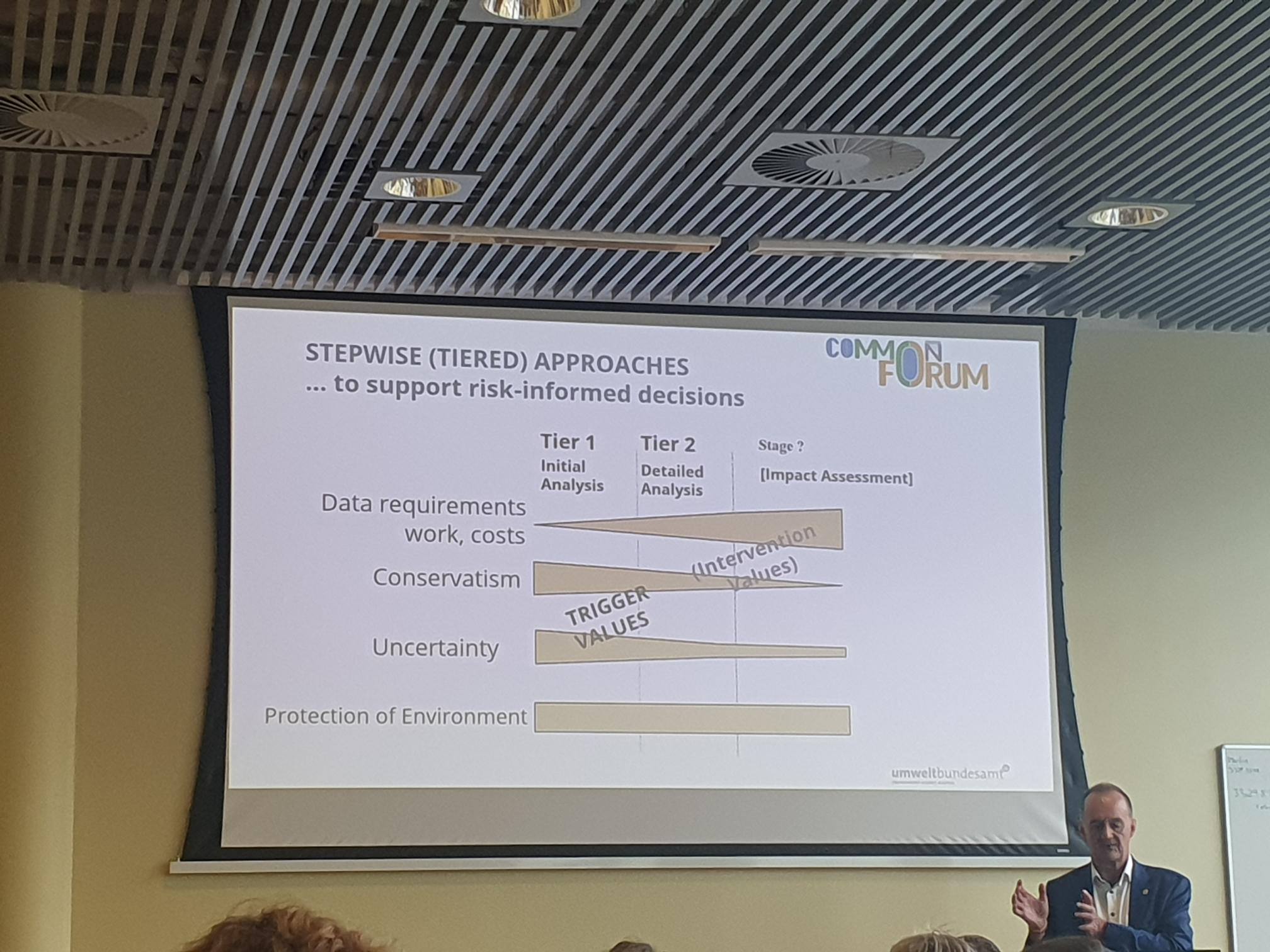
The atmosphere was charged with optimism as project stakeholders addressed complex challenges that remain on the path to finalizing this essential directive, designed to ensure Europe’s soil health, food security, and resilience to climate impacts. The ARAGORN team engaged in in-depth discussions on critical topics such as chemicals management, ecosystem impacts, protection goals, data management, and soil monitoring strategies. The input provided by ARAGORN was acknowledged as essential to the policy development process, especially in identifying effective ways to maintain resilient soils that are crucial for Europe’s food production and clean water security. Key sessions, including a panel on monitoring and multiple cluster meetings on monitoring, indicators, data platforms, and co-creation, featured substantial ARAGORN contributions, helping to shape priorities and foster cross-project collaboration.
The multiple discussions and panels held led to some important bullet points to be further investigated and developed:
- Soil monitoring must be fit for purpose, balancing scope, cost, and detail to guide decision-making, with ongoing discussions helping refine strategies across projects and Member States.
- A WatchList for priority chemicals at EU, national, and local levels will track contaminants and inform regulatory updates, supporting cleaner soil and better pollution control.
- Data platforms, like the EU Common Data Platform, are essential for storing and accessing monitoring data beyond project completion, ensuring continuity and long-term soil resilience.
- Nature-based solutions like phytoremediation and biochar offer climate-adaptive remediation options, reducing chemical bioavailability and capturing pollutants like metals and PFAS.
Ensuring resilient soils and mitigating soil pollution were identified as central goals, with ARAGORN emphasizing the importance of preventing further ecosystem stress and finding minimally invasive soil remediation solutions for already polluted areas. In addition, the meetings underscored the importance of co-creation to develop a robust and implementable law with strong stakeholder buy-in, a principle that ARAGORN championed throughout its contributions.